
मन्मना भव मद्भक्तोFix your mind on Me, be devoted to Me, worship Me, and bow down to Me.( Bhagavad Gita 18.65 )

This post explores why people today are moving away from flashy luxury labels and choosing jewelry with emotional, spiritual, and cultural meaning instead. From Rudraksha bracelets and Tulsi malas to symbolic pendants and sacred beads, meaningful jewellery is becoming a reflection of identity, mindfulness, and inner connection rather than status alone. It highlights how ancient Indian traditions always viewed jewellery as more than decoration — as symbols of devotion, protection, and emotional grounding. The article also connects this growing trend with modern conscious living and the rise of spiritually inspired fashion among younger generations

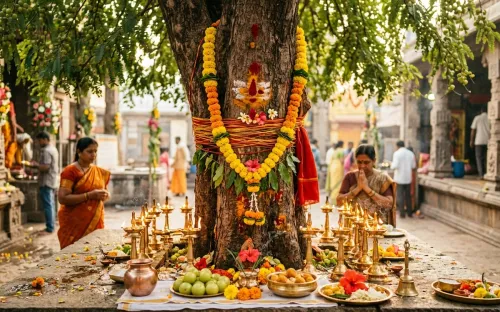
Temple rituals are more than spiritual traditions — they are emotional experiences designed to calm the mind, ground the senses, and create inner stillness. From the sound of bells to the glow of diyas and the rhythm of mantras, these rituals quietly shape human emotion, offering comfort, connection, and peace in an overstimulated modern life.

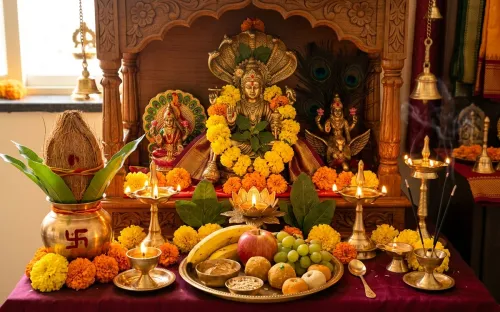
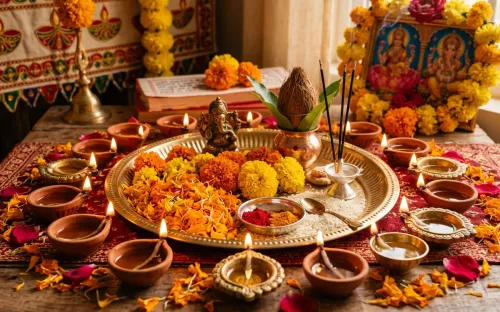
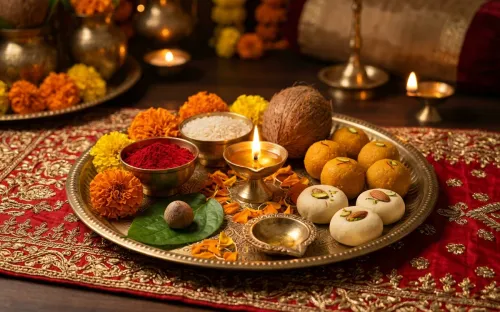
Spirituality in India is no longer staying confined to temples or festivals — it’s quietly becoming part of everyday life again. From lighting a diya in the morning to wearing malas, burning incense, and creating mindful corners at home, younger generations are reconnecting with Indian traditions in softer, more personal ways. This post explores how Bhakti, rituals, sacred objects, and devotional practices are evolving from occasional customs into meaningful lifestyle habits that bring calm, grounding, and emotional connection in modern life.

Spirituality today feels less like pressure and more like peace. This post explores why younger generations are turning away from constant self-optimization and toward softer practices like prayer, meditation, incense, bhajans, and daily rituals. In a fast, overstimulated world, spirituality is becoming less about perfection — and more about presence, grounding, and emotional connection.

From ancient Vedic yajnas to modern home rituals, Hawan Samagri carries centuries of devotion, symbolism, and sacred energy. More than herbs offered into fire, it represents purification, surrender, and emotional grounding. Sometimes, a little fragrance, a little flame, and a simple ritual are enough to make a space—and the mind—feel deeply peaceful.

A thoughtful exploration of how incense subtly supports meditation by shaping the mind through atmosphere, not force. Blending ancient wisdom with modern science, this piece explains how fragrance influences the brain, reduces stress, and creates a natural pathway to deeper focus—turning a simple ritual into a powerful tool for stillness and clarity.

Goddess poshaks are more than vibrant fabrics—they’re expressions of devotion, care, and connection. Rooted in ancient rituals, dressing the deity reflects love for the divine feminine and enhances the spiritual energy of worship . Sometimes, a simple cloth carries something deeper—faith made visible.

What Your Wall Symbols Say About Your Spiritual Energy is a reflective piece that explores how sacred symbols in our homes—like Om, Swastik, and Shubh Labh—go beyond decoration to shape the emotional and spiritual atmosphere of a space. It highlights how these symbols act as subtle energy anchors, influencing mindset, intention, and daily rituals. Blending tradition with modern perspective, the piece shows how wall décor can become a quiet expression of inner beliefs, turning living spaces into meaningful, soulful environments where devotion and design coexist.

Rashi bracelets are more than spiritual accessories—they carry an ancient idea that human life moves in rhythm with cosmic forces. Rooted in Vedic astrology, planetary symbolism, gemstones, and sacred beads, these bracelets reflect a blend of protection, balance, and self-awareness. From Navagraha wisdom to modern wearable spirituality, they turn devotion and symbolism into something you can carry daily.