

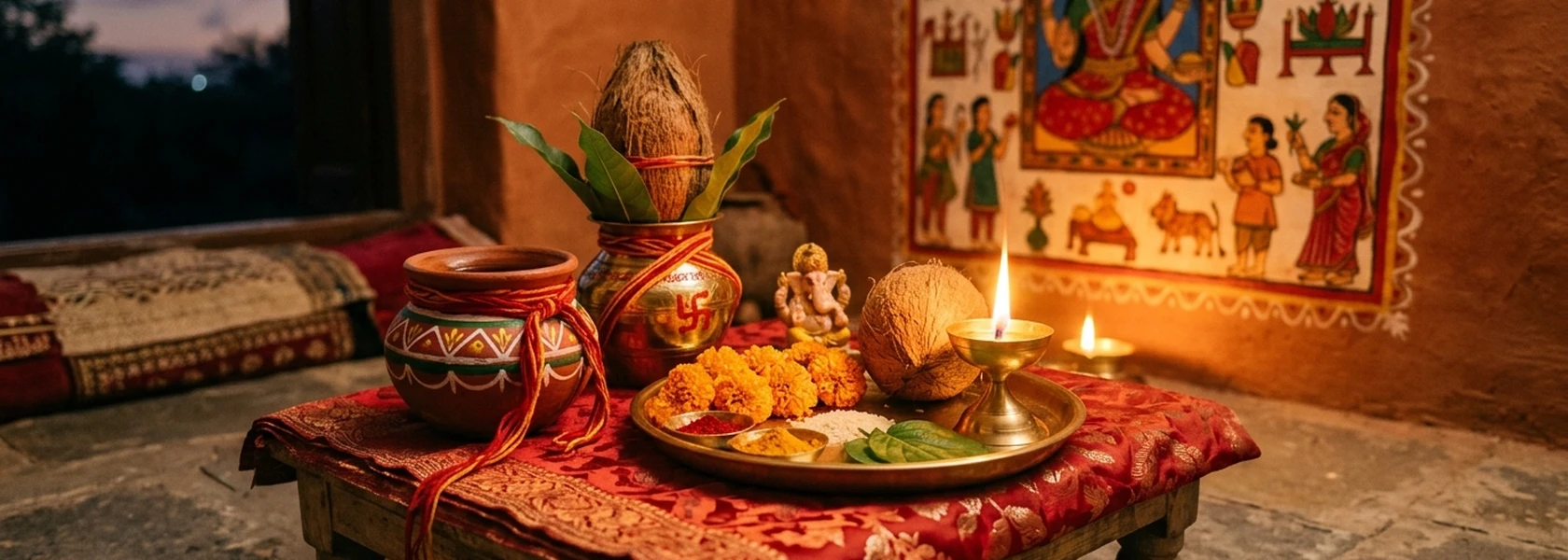
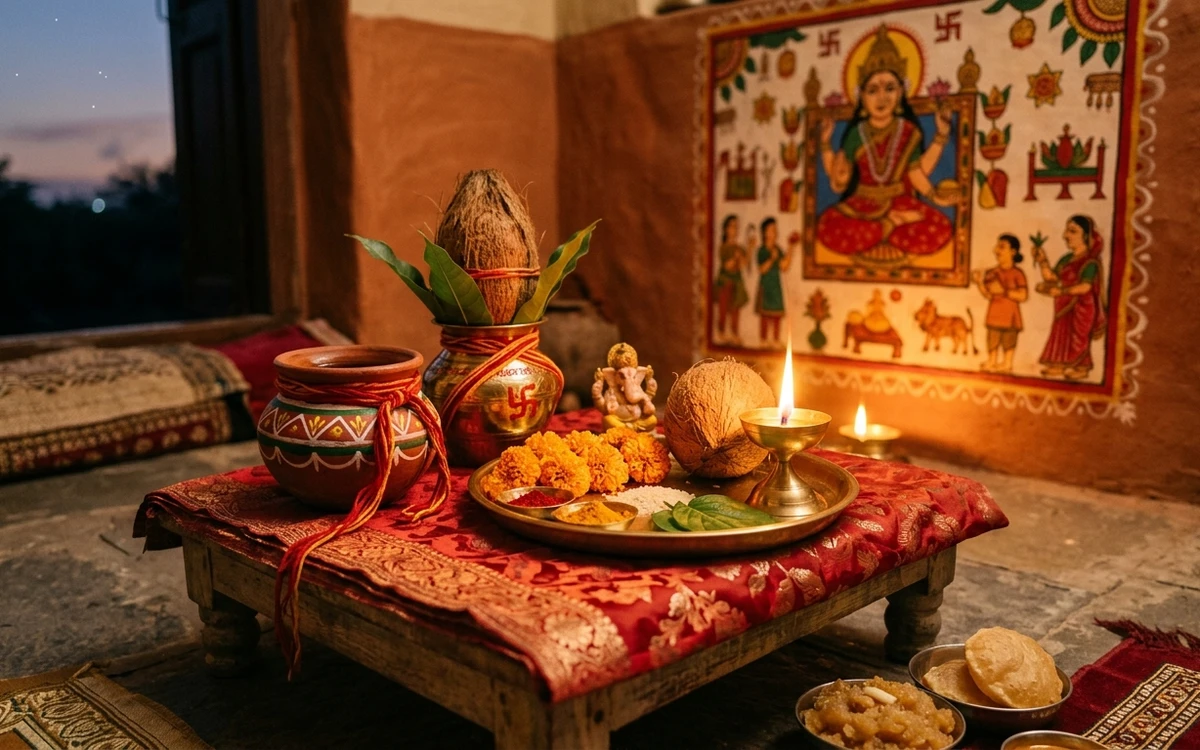
Ahoi Ashtami falls on the eighth lunar day of Krishna paksha in the month of Kartika. Celebrated four days after Karwa Chauth and eight days before Diwali, this sacred fast honors Ahoi Mata, an aspect of Goddess Parvati who protects children and nurtures family well-being. Mothers observe a strict waterless fast from dawn until evening twilight, breaking the fast only after sighting the stars and offering arghya. In 2026, the Vedic Panchang marks the beginning of Ashtami tithi on Sunday, November 1 at 02:52 PM, concluding on Monday, November 2 at 01:11 PM. Following the traditional ahoi ashtami puja vidhi helps households conduct every ritual with devotion, discipline, and scriptural clarity.
The traditional name of this observance is Ahoi Aathe. Mothers pray for the health, long life, and prosperity of their children. Unlike vrats where the fast concludes after moonrise, Ahoi Ashtami rituals conclude when the first evening stars appear. Because moonrise occurs late at night during Krishna paksha, offering arghya to the stars allows devotees to complete their evening prayers peacefully.
Spiritual Significance and Katha of Ahoi Ashtami
The sacred vrat katha tells of a devout woman who lived with her husband and seven sons near a dense forest. Before Diwali, she went to the forest to dig clay to renovate the walls of her home. While digging with a spade, her tool struck an underground den and injured the young cubs of a porcupine, known as syahu. Deeply distressed by the mishap, the mother returned home in sorrow. In the months that followed, each of her seven sons passed away, leaving her grief-stricken.
Elderly women of the village advised her to seek the forgiveness of Ahoi Mata on the eighth day of Krishna paksha in Kartika. The woman drew the image of Ahoi Mata on her wall with sacred ochre paste. She observed a rigorous fast, performed sincere repentance, and served the sacred cow. Pleased by her devotion, Ahoi Mata restored her children. Since then, mothers observe this fast every year to protect their children from accidents and harm.
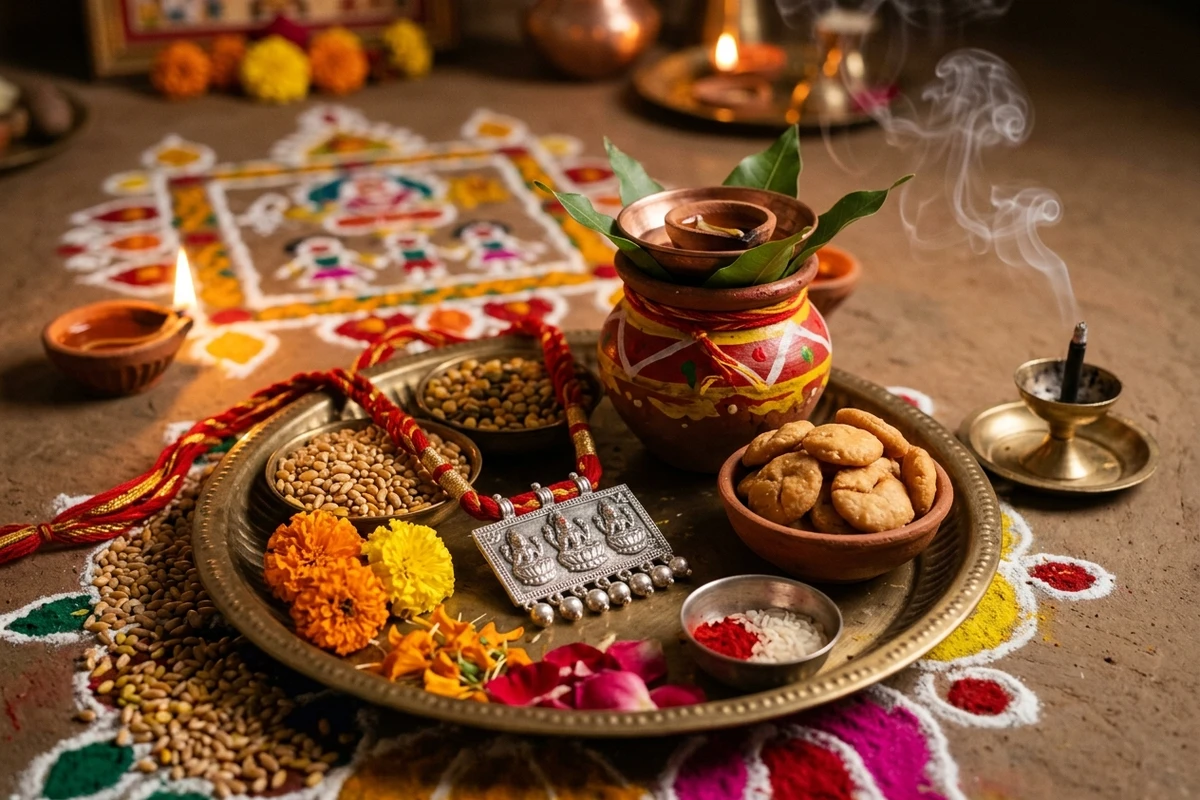
Another cherished element of this tradition is the silver Syahu garland. Mothers wear a necklace featuring a silver pendant engraved with Ahoi Mata, strung with silver beads. Every year, mothers add new silver beads to the necklace. During the annual puja, mothers bathe this pendant in clean water and milk, worship it with roli and akshat, and wear it around their neck until Diwali.
Panchang Timings and Muhurat for Ahoi Ashtami 2026
Accurate calendar timings are essential for observing the fast and offering arghya at the correct hour. The Vedic Panchang coordinates calculated for New Delhi provide the exact astronomical windows for the festival in 2026.
| Panchang Attribute | Details for 2026 Observance |
| Ashtami Tithi Begins | Sunday, November 1, 2026 at 02:52 PM |
| Ashtami Tithi Ends | Monday, November 2, 2026 at 01:11 PM |
| Pradosh Vyapini Ashtami Date | Sunday, November 1, 2026 |
| Udaya Tithi Ashtami Date | Monday, November 2, 2026 |
| Sunrise on November 1 (New Delhi) | 06:32 AM |
| Sunset on November 1 (New Delhi) | 05:36 PM |
| Auspicious Evening Shubh Choghadiya (Nov 1) | 05:36 PM to 07:13 PM |
| Auspicious Evening Amrit Choghadiya (Nov 1) | 07:13 PM to 08:50 PM |
| Moonrise on November 1 (New Delhi) | 11:35 PM |
| Sunrise on November 2 (New Delhi) | 06:33 AM |
| Sunset on November 2 (New Delhi) | 05:35 PM |
Because Ahoi Ashtami puja takes place during evening twilight when stars become visible, the presence of Ashtami tithi during sunset and evening hours is considered decisive in most traditions. In 2026, Ashtami tithi begins on Sunday afternoon at 02:52 PM and remains active through the sunset at 05:36 PM and into the night. Families following the Pradosh Vyapini tradition perform the rituals on Sunday, November 1, between 05:36 PM and 07:13 PM during the Shubh choghadiya window. Families following strict Udaya Tithi rules observe the fast on Monday, November 2. Check your local regional panchang for city-specific sunrise and sunset timings.
Essential Samagri for Ahoi Ashtami Puja Vidhi
Preparing your ritual altar before evening prevents rush during the auspicious muhurat. Devotees who prefer ready assortments often use complete pooja kits to secure pure ritual ingredients in one package.
- Ahoi Mata calendar, wall poster, or Geru (ochre powder) and rice paste to draw the traditional eight-cornered image on the wall.
- Earthen karwa pot with a sprout filled with clean water.
- Brass kalash filled with water, mango leaves, and a coconut wrapped in red moli thread.
- Sacred silver Syahu pendant with silver beads strung on a red silk thread.
- One small clay diya for the karwa lid and a brass diya for the altar.
- Pure cow ghee and hand-rolled cotton wicks.
- Raw unbroken wheat grains kept in a bowl for holding during katha recitation.
- Fresh seasonal offerings including water chestnuts (singhara), radishes, and sugarcane.
- Pure roli, turmeric powder, sandalwood paste, and unbroken akshat rice.
- Fresh yellow marigold flowers, fragrant rose petals, and durva grass.
- Traditional homemade naivedya of eight sweet puris, pua, or halwa.
- Bayan gift plate for the mother-in-law containing dry grains, sweets, fruits, and dakshina.
Arranging the chandan, akshat, roli, and flowers on a dedicated brass plate from the pooja thali collection keeps your altar neat. Lighting fragrant items such as Camphor Gugal Sambrani Dhoop Cups fills the room with purifying herbal resins during family prayers.
Step-by-Step Ahoi Ashtami Puja Vidhi for Home Worship
Observing the vrat with devotion brings peace and joy to the entire family. Follow these sequential steps to perform the complete ahoi ashtami puja vidhi at home.
Step 1: Morning Sankalpa and Nirjala Vrat
Wake up during Brahma muhurat before sunrise. Clean the house and take a purifying bath. Wear clean festive clothes in auspicious colors such as red, yellow, or maroon. Avoid black and navy blue clothing on this sacred occasion.
Sit facing East on a clean asana in your home mandir. Take a little water in your right palm, add a pinch of akshat and a flower petal, and take the formal Sankalpa. Express your intention to observe a fast for the protection, health, and prosperity of your children.
Step 2: Altar Setup and Ahoi Mata Wall Drawing
In the late afternoon before sunset, prepare the sacred altar against a clean northern or eastern wall. Traditionally, women paint the form of Ahoi Mata on the wall using Geru (red ochre paste) and rice flour paste. The drawing depicts Ahoi Mata with eight corners, surrounded by the sun, the moon, the stars, and the seven cubs.
Place a clean wooden chowki covered with red cloth in front of the wall image. Place a brass kalash filled with water on a bed of raw wheat grains. Place your earthen karwa pot next to the kalash, fill it with clean water, and cover its mouth with an earthen saucer containing raw wheat grains and a four-wick ghee diya.
Step 3: Worshiping the Silver Syahu and Offering Bhog
Place your silver Syahu pendant and silver beads on the altar plate. Wash the silver beads gently with raw milk and clean water. Apply sacred roli and akshat to the pendant. Offer fresh marigold flowers, raw water chestnuts, radishes, and sugarcane to Ahoi Mata.
Offer homemade naivedya of eight sweet wheat puris and halwa. Devotees also keep fourteen sweet pua on the altar as a traditional offering for family prosperity.
Step 4: Ahoi Ashtami Vrat Katha Recitation
Gather the children and family members around the altar. Take seven unbroken wheat grains in your left hand and cover them with your right hand. Listen to or narrate the traditional Ahoi Ashtami Vrat Katha with complete attention. Hearing the story of forgiveness and maternal sacrifice reinforces devotion and righteous conduct within the home.
After completing the katha, perform the aarti of Ahoi Mata using a glowing brass diya from the diya collection. Sing the devotional aarti while waving the flame in gentle circular motions. After the aarti, set aside the wheat grains from your hand to offer to the sacred cow on the following morning.
Step 5: Tara Arghya and Fast Breaking
Step outside onto your terrace, balcony, or courtyard as dusk falls. Look up into the evening sky to sight the first visible stars. Sighting the stars signals the fulfillment of the fast.
Hold the earthen karwa pot or a brass lota filled with clean water. Facing the stars, pour the water slowly in a continuous stream to the ground as an arghya offering. Recite your silent prayers for the protection and longevity of your children. Some communities also wait for moonrise to offer an additional arghya to the moon.
After completing the arghya, bow down and seek the blessings of your elders, especially your mother-in-law. Present the Bayan plate containing sweets, fruits, grains, and dakshina to her. Break your fast by sipping water from the sacred karwa, followed by consuming a piece of sweet puri or satvik prasad.
Important Fasting Rules and Precautions
Sanatana Dharma traditions emphasize specific disciplines to maintain the sanctity of the fast throughout the day.
- Do not use sharp tools such as knives, scissors, or needles on this day. In memory of the katha, cutting vegetables or digging soil is avoided.
- Prepare food in advance for the children without cutting fresh vegetables on the day of the fast, or tear leafy greens by hand.
- Keep the mind free from anger, irritation, or harsh words toward family members and children.
- Ensure that the items used on your altar come from authentic sources in your pooja essentials collection so that rituals remain pure.
- Elderly women or mothers with medical conditions can observe a phalahar fast by consuming milk and fruits instead of a strict waterless fast.
Frequently Asked Questions About Ahoi Ashtami
Can mothers observe Ahoi Ashtami fast for their daughters?
Yes. While ancient folk stories often mention sons, contemporary Vedic practice treats sons and daughters equally. Mothers observe the fast with equal devotion for the long life, wisdom, and success of all their children.
What should you do if clouds hide the stars in the evening?
If overcast weather obscures the stars, check the astronomical star-rise time for your city in the local panchang. Once the scheduled twilight window passes, face toward the sky with reverence, offer the arghya with faith, and conclude your fast.
What is the significance of the silver Syahu necklace?
The silver Syahu necklace represents maternal protection and family continuity. Mothers wear the pendant during the puja and add silver beads as their children grow. The necklace is stored with care and worn again during annual pujas.
Who should receive the Bayan offering?
The Bayan offering is traditionally given to the mother-in-law or an elderly woman in the family as a gesture of reverence. If no elderly family member is present, the offering can be presented to a temple priestess or an elderly neighbor.