

Dev Uthani Ekadashi marks the divine awakening of Lord Vishnu after four months of cosmic slumber, known as Yoga Nidra or Chaturmas. Falling on the Shukla Paksha Ekadashi of the Kartika month, this sacred day ends the ascetic Chaturmas period and reopens the auspicious wedding and sacrament season across India. Devotees also refer to this holy day as Prabodhini Ekadashi and Devutthana Gyaras. In 2026, the Vedic Panchang marks Dev Uthani Ekadashi on Friday, November 20. Learning the traditional dev uthani ekadashi puja vidhi helps you observe the fast with devotion, perform the awakening rituals correctly, and welcome auspicious blessings into your home.
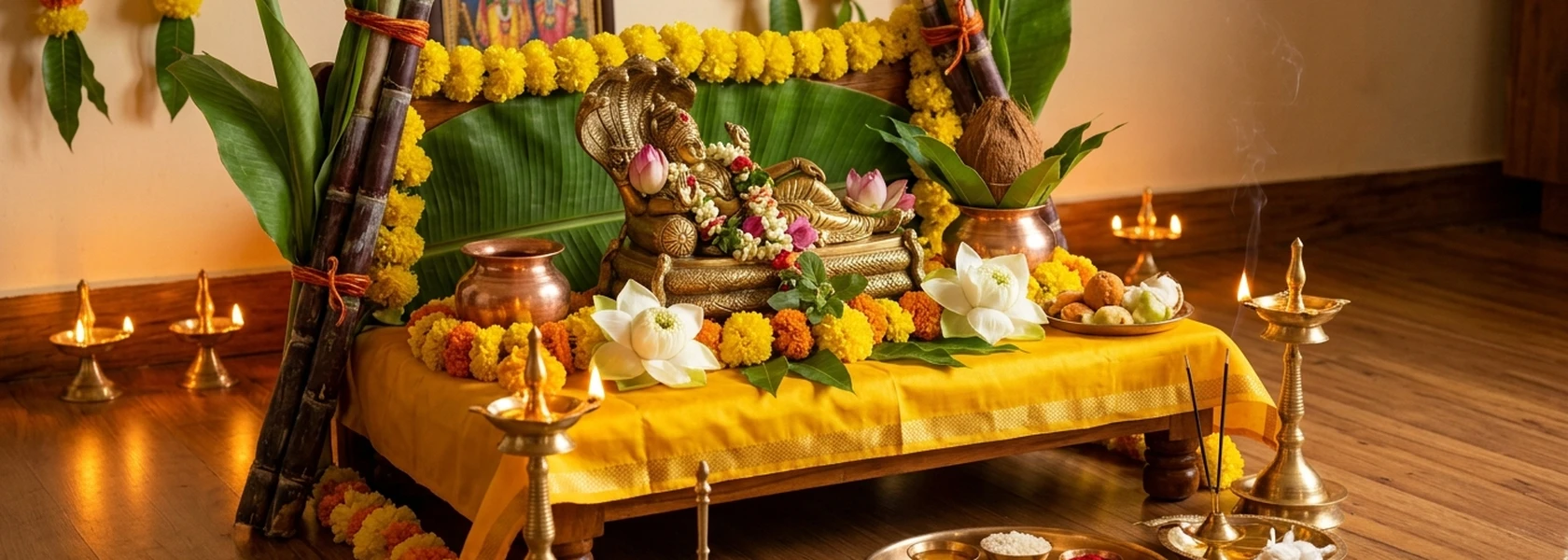
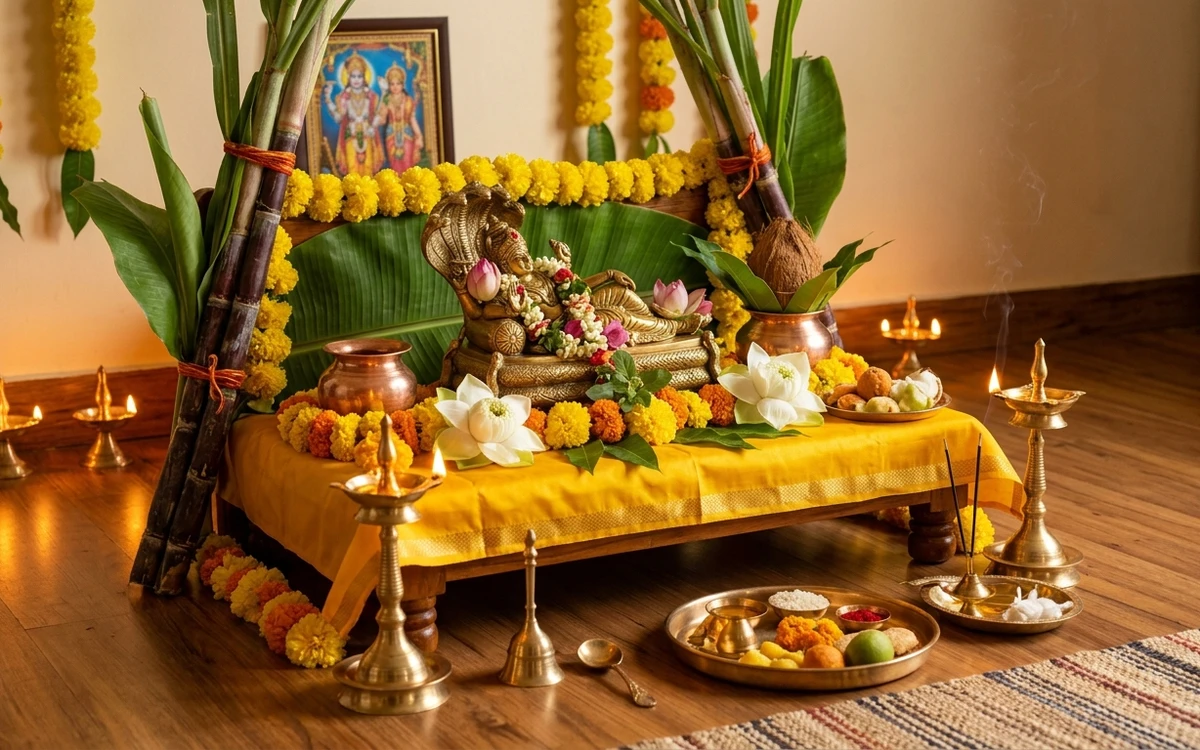
Households celebrate Dev Uthani Ekadashi by drawing footprints of Lord Vishnu leading from the house entrance to the home mandir. Families erect a canopy of fresh sugarcane stalks, light earthen and brass lamps, and offer the new harvest of sweet potatoes, water chestnuts, and radish to the deity. Preparing your altar and gathering all items before the morning muhurat allows your family to participate peacefully in every step of the ceremony.
Spiritual Significance and the Awakening of Lord Vishnu
According to the Bhavishya Purana and Padma Purana, Lord Vishnu enters his deep sleep on Ashadha Shukla Ekadashi, known as Devshayani Ekadashi. During these four monsoon months, auspicious sacraments like weddings, thread ceremonies, and housewarmings pause. When the sun moves into the northern hemisphere of devotion during Kartika, Lord Vishnu awakens to resume his protection of the cosmic order.
The awakening of the deity signifies the restoration of divine light and virtue in daily life. Puranic tradition states that praying to Lord Vishnu on Prabodhini Ekadashi yields the spiritual merit of performing a thousand Ashvamedha sacrifices and a hundred Rajasuya rituals. Devotees wake before dawn, take a holy bath, and pledge to maintain truthfulness and austerity throughout the day.
Panchang Details and Muhurat for Dev Uthani Ekadashi 2026
Vedic tradition calculates festival observances using local astronomical transits. The panchang timings below are calculated for New Delhi for Friday, November 20, 2026. Because sunrise and local transit timings vary across different parts of India, check your city panchang before beginning morning prayers.
| Panchang Attribute | Details for November 20, 2026 |
| Festival Date and Day | November 20, 2026 (Shukrawara / Friday) |
| Tithi | Ekadashi (begins at 07:16 AM on Nov 20 and ends at 06:32 AM on Nov 21) |
| Paksha and Lunar Month | Shukla Paksha, Kartika Month (Amanta and Purnimanta) |
| Nakshatra | Purva Bhadrapada until 06:56 AM, then Uttara Bhadrapada |
| Yoga | Vajra until 04:55 AM on Nov 21, then Siddhi |
| Sunrise (New Delhi) | 06:47 AM IST |
| Sunset (New Delhi) | 05:25 PM IST |
| Abhijit Muhurat | 11:45 AM to 12:28 PM IST |
| Morning Labh Choghadiya | 08:07 AM to 09:27 AM IST |
| Morning Amrit Choghadiya | 09:27 AM to 10:47 AM IST |
| Afternoon Shubh Choghadiya | 12:06 PM to 01:26 PM IST |
| Evening Labh Choghadiya | 08:46 PM to 10:26 PM IST |
| Rahu Kalam (Inauspicious Window) | 10:47 AM to 12:06 PM IST |
| Parana Window (Fast Breaking) | Saturday, November 21, 2026, after 06:48 AM IST during Dwadashi tithi |
The most auspicious morning windows to conduct the awakening vidhi are during the Labh and Amrit Choghadiya from 08:07 AM to 10:47 AM, or during Abhijit Muhurat between 11:45 AM and 12:28 PM. Avoid beginning any prayers during the inauspicious Rahu Kalam between 10:47 AM and 12:06 PM.
Essential Samagri for Dev Uthani Ekadashi Puja Vidhi
Gathering your puja samagri in advance ensures a calm ritual. Many households use verified complete pooja kits to secure all pure herbal ingredients in one single setup.
- An idol of Lord Vishnu, Shaligram stone, or Bal Gopal deity.
- Four sugarcane stalks with intact leaves to build the traditional puja mandap.
- Fresh yellow silk cloth (pitambari) to dress the deity altar.
- Geru (red ochre) and rice flour paste (aipan) to draw sacred footprints and lotus designs.
- Brass kalash filled with pure water, five mango leaves, a betel nut, a copper coin, and a coconut.
- Panchamrit ingredients: raw cow milk, fresh curd, pure honey, batasha or rock sugar, and desi ghee.
- Fresh tulsi leaves and manjari twigs for offering to Lord Vishnu.
- Fragrant yellow marigold flowers, yellow kaner, and sacred lotus flowers.
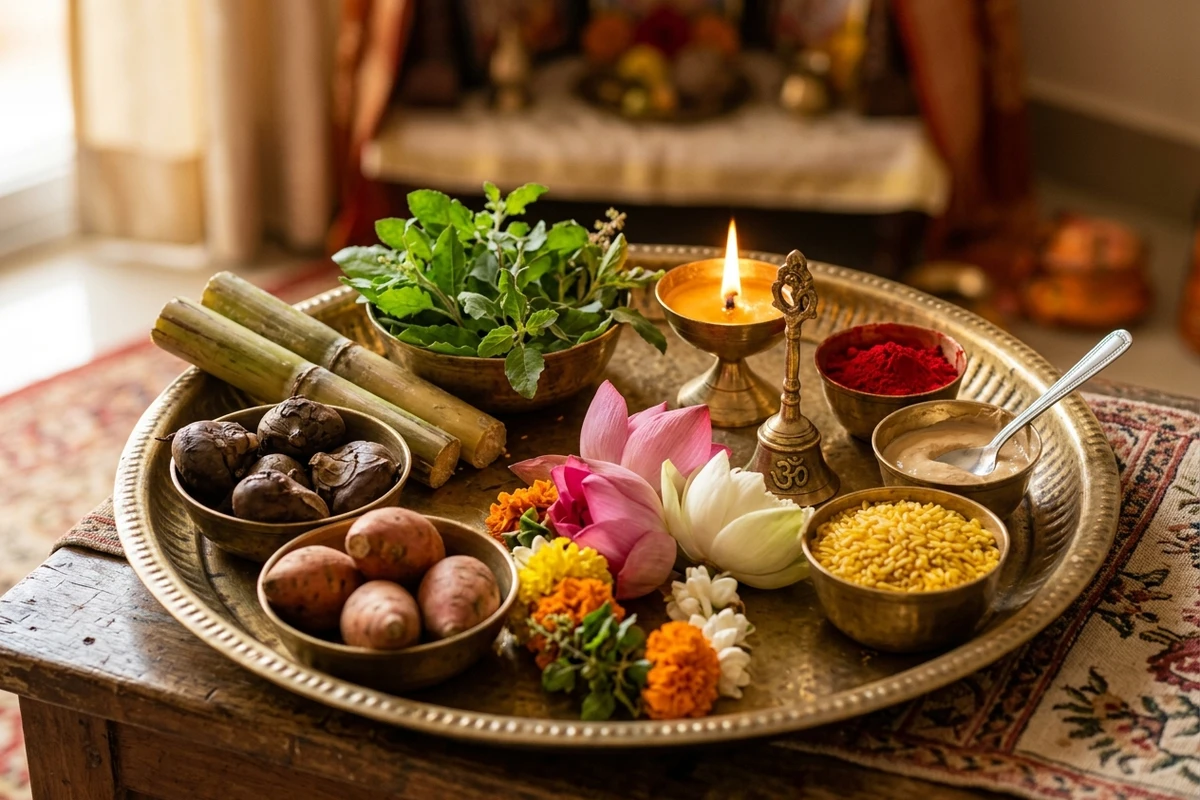
- Seasonal harvest fruits: sugarcane chunks, water chestnuts (singhara), sweet potatoes, radish, amla, and ber.
- Yellow sandalwood paste, unbroken akshat rice grains mixed with turmeric, and sacred mouli thread.
- Earthen and brass lamps, cotton wicks, and pure cow ghee.
- A brass bell, shankh (conch shell), and a metal thali for the awakening ritual.
Arrange your chandan paste, yellow akshat, flowers, and kumkum on a dedicated brass plate from the pooja thali collection to maintain an orderly mandir space. For steady, clear light around the sugarcane mandap, placing brass lamps from the 6 Pc Brass Lotus Diya Oil Lamp Set provides warm illumination across the altar.
Step-by-Step Dev Uthani Ekadashi Puja Vidhi for Home Worship
The puja follows a structured sequence that honours Lord Vishnu and concludes with the ceremonial chanting to awaken the Lord. Follow these clear steps to conduct the ritual in your home.
Step 1: Early Morning Snana and Sankalpa
Wake during Brahma Muhurat, before sunrise. Take a bath using clean water mixed with a few drops of Ganga jal. Wear clean, unstitched yellow or white cotton clothes. Face east in your home mandir, take a spoonful of water in your right palm along with yellow rice and a coin, and take the Ekadashi Sankalpa. State your name, your family lineage (gotra), and your resolve to observe the Dev Uthani Ekadashi fast with purity.
Step 2: Altar Setup and Sugarcane Mandap
Clean your puja area thoroughly. In the central courtyard or before your mandir, use geru (red ochre) and white rice paste to draw auspicious symbols, including footprints of Lord Vishnu pointing inward toward your home. Erect four whole sugarcane stalks around a clean wooden chowki, tying their tops together with red sacred mouli thread to create a square mandap canopy. Cover the chowki with a fresh yellow silk cloth.
Step 3: Abhishekam and Shodashopachara Puja
Place your Shaligram shila, brass Vishnu murti, or Laddu Gopal idol on the chowki. Perform the sacred bath (abhishekam) using pure water followed by Panchamrit, and finish with a wash of Ganga jal. Dry the deity gently with a clean cotton towel. Apply fragrant yellow sandalwood paste to the Lord's forehead. Dress the idol in a yellow pitambari cloth and offer fresh yellow marigolds and a lotus flower.
Light fragrant resinous Kalp Gugal Dhoop Cups to fill the space with pure traditional aroma. Offer fresh tulsi leaves, which Lord Vishnu cherishes above all offerings, while chanting: Om Namo Bhagavate Vasudevaya.
Step 4: The Sacred Awakening Ritual
The awakening ritual takes place in the evening or during the afternoon auspicious choghadiya. Cover the deity with a shallow bell-metal or brass plate (thali). Family members gather around the sugarcane mandap holding small wooden sticks or brass spoons. Gently tap the plate while ringing the puja bell, blowing the conch shell, and reciting the traditional awakening mantra:
Uthtishta Uthtishta Govinda Tyaja Nidram Jagatpate. Tvayi Supte Jagat Suptam Utthite Chotthitam Jagat.
This Sanskrit verse translates: Arise, O Govinda! Awake from your sleep, Lord of the cosmos. When you sleep, the entire universe sleeps; when you awaken, the whole universe awakens. In regional Hindi traditions, families also sing: Utho Deva, Baitho Deva, Aanguriya Chatkao Deva.
Step 5: Seasonal Bhog Offering and Concluding Aarti
Present the fresh seasonal harvest as naivedya. Offer peeled pieces of sugarcane, raw water chestnuts (singhara), boiled sweet potatoes, jujube fruit (ber), fresh amla, and satvik milk sweets. Avoid offering any cereal grains, lentils, or pungent ingredients.
Conclude the ceremony with a grand aarti using pure camphor from Sanatan Kapoor Dhoop Cups. Rotate the glowing brass plate clockwise before Lord Vishnu while singing the Vishnu Aarti: Om Jai Jagdish Hare. After the aarti, bow down to seek the Lord's forgiveness for any procedural errors and distribute the fruit prasad among your family.
Dev Uthani Ekadashi Vrat Rules and Parana Vidhi
Observing the fast demands discipline and purity of intent. Devotees choose between two fasting modes according to their physical capability. Nirjala vrat involves abstaining from both food and water throughout the twenty-four hour period. Phalahari vrat allows the intake of water, milk, fruits, and buckwheat (kuttu) preparations once during the afternoon.
The fast must be broken during the designated Parana window on the morning of Dwadashi tithi, Saturday, November 21, 2026. The Parana window opens after sunrise at 06:48 AM IST. Do not break the fast during the Hari Vasara period, which corresponds to the first quarter of Dwadashi tithi. On Saturday morning, take a fresh bath, offer morning prayers to Lord Vishnu, feed cows or provide food to the needy, and break your fast with a small sip of charnamrit and satvik food.
Frequently Asked Questions About Dev Uthani Ekadashi Puja Vidhi
Why are sugarcane and water chestnuts offered during the puja?
Dev Uthani Ekadashi coincides with the early winter harvest in northern and central India. Devotees offer the first produce of sugarcane, water chestnut, and sweet potato to Lord Vishnu before consuming them. This practice expresses gratitude for nature's bounty.
Can Dev Uthani Ekadashi puja be performed if you do not have sugarcane stalks?
Yes. While sugarcane mandaps are traditional in rural and suburban households, city apartments may lack space. You can place four small sugarcane sticks in small brass vases at the four corners of your wooden chowki, or place a single piece of fresh sugarcane in the bhog thali.
Does Tulsi Vivah happen on Dev Uthani Ekadashi?
In some regional traditions, Tulsi Vivah begins on Dev Uthani Ekadashi evening and concludes on Kartika Purnima. In mainstream Vedic panchang calculations, the formal wedding of Tulsi Devi and Shaligram is celebrated on the following day, Kartika Shukla Dwadashi.
What happens if you accidentally break your Ekadashi fast early?
If you inadvertently consume non-fasting food, do not abandon your devotion. Cleanse your mouth with fresh water, perform achamana, sit before Lord Vishnu, chant the Vishnu Sahasranama or Om Namo Bhagavate Vasudevaya 108 times, and pray for forgiveness.