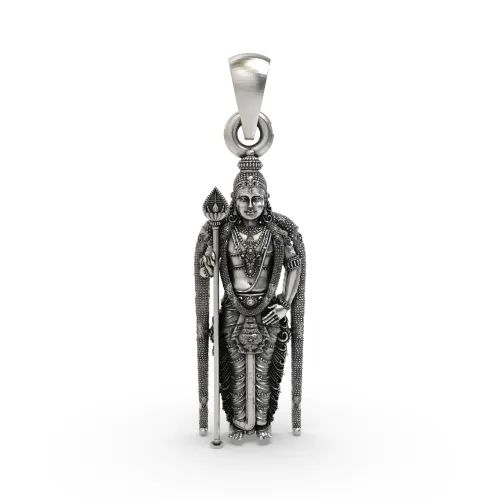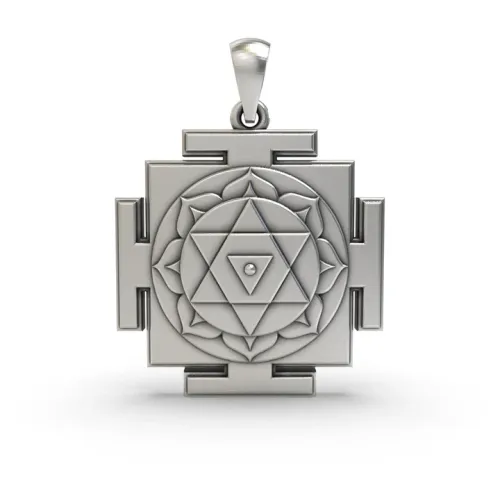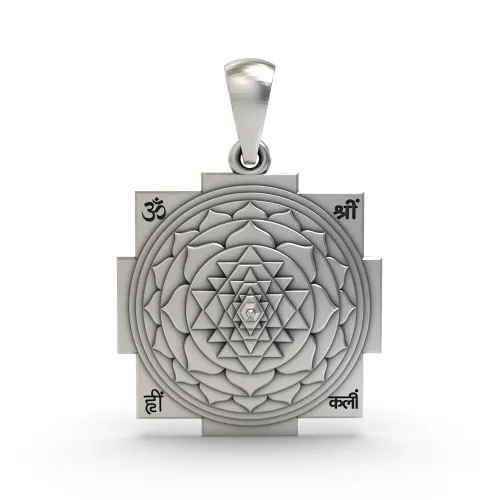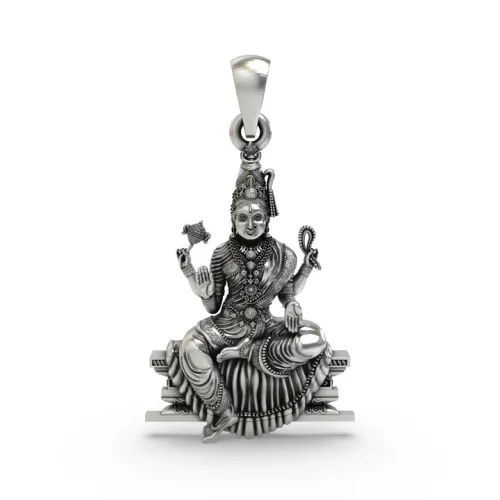

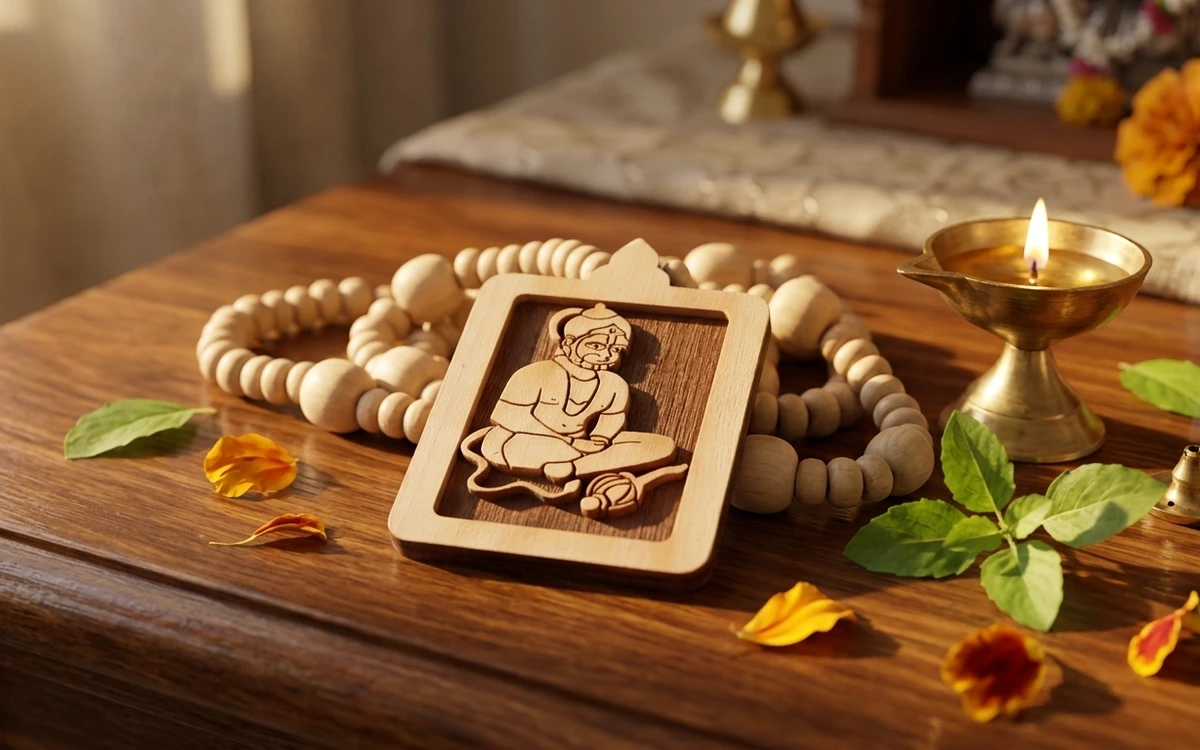
In Indian spiritual culture, sacred adornments serve as tangible connections to the divine rather than mere decorative ornaments. Among these sacred treasures, the Tulsi pendant holds an enduring place. Carved from the sacred wood of the Holy Basil shrub in holy pilgrimage centers like Vrindavan, wearing Tulsi close to the heart anchors personal daily contemplation, moral purity, and continuous devotional awareness.
The Spiritual Significance of Tulsi in Vedic Tradition
Vedic scriptures revere Tulsi (Ocimum sanctum) as Vrinda Devi, an eternal manifestation of Goddess Lakshmi and the foremost devotee of Lord Vishnu. The Padma Purana and Skanda Purana explain that even touching or wearing sanctified Tulsi wood purifies the subtle body and shields the devotee from disharmony.
In the Vaishnava tradition, offering worship with Tulsi represents uncompromised surrender. When devotees take initiation or establish regular spiritual sadhana, wearing a kanthi mala around the neck signifies dedication to righteousness, non-violence, and truthfulness. A hand-carved Tulsi locket extends this deep legacy into daily life, allowing seekers to carry the protective presence of the sacred plant wherever they travel.
Artisanal Craftsmanship: From Holy Woods to Sacred Wearables
The creation of authentic Tulsi pendants follows centuries-old craft traditions concentrated around the sacred pilgrimage towns of Mathura, Vrindavan, and Nabadwip. Traditional artisans never harm a living Tulsi plant to gather wood. Instead, they collect aged, naturally dried branches and root stalks after the holy plant completes its natural life cycle.
- Selection and Seasoning: Naturally dried branches dry under shade to prevent cracking and preserve natural oils.
- Hand-Turning and Shaping: Skilled artisans turn dry twigs on hand lathes to shape round, oval, or barrel beads.
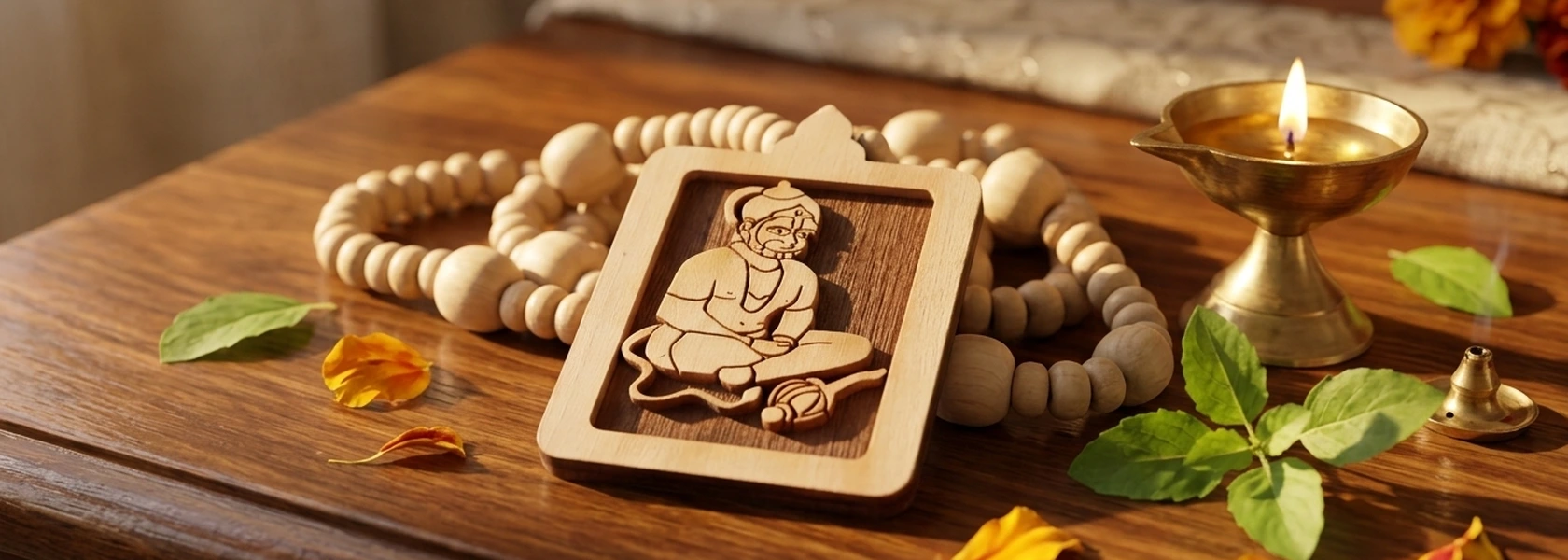
- Detailed Deity Carving: Master carvers chisel sacred deity figures including Hanuman Ji, Radha Krishna, and sacred mantras onto flat wooden medallions.
- Natural Finishing: Artisans polish beads with sesame or mustard oil, avoiding synthetic chemical lacquers to preserve the organic botanical scent.
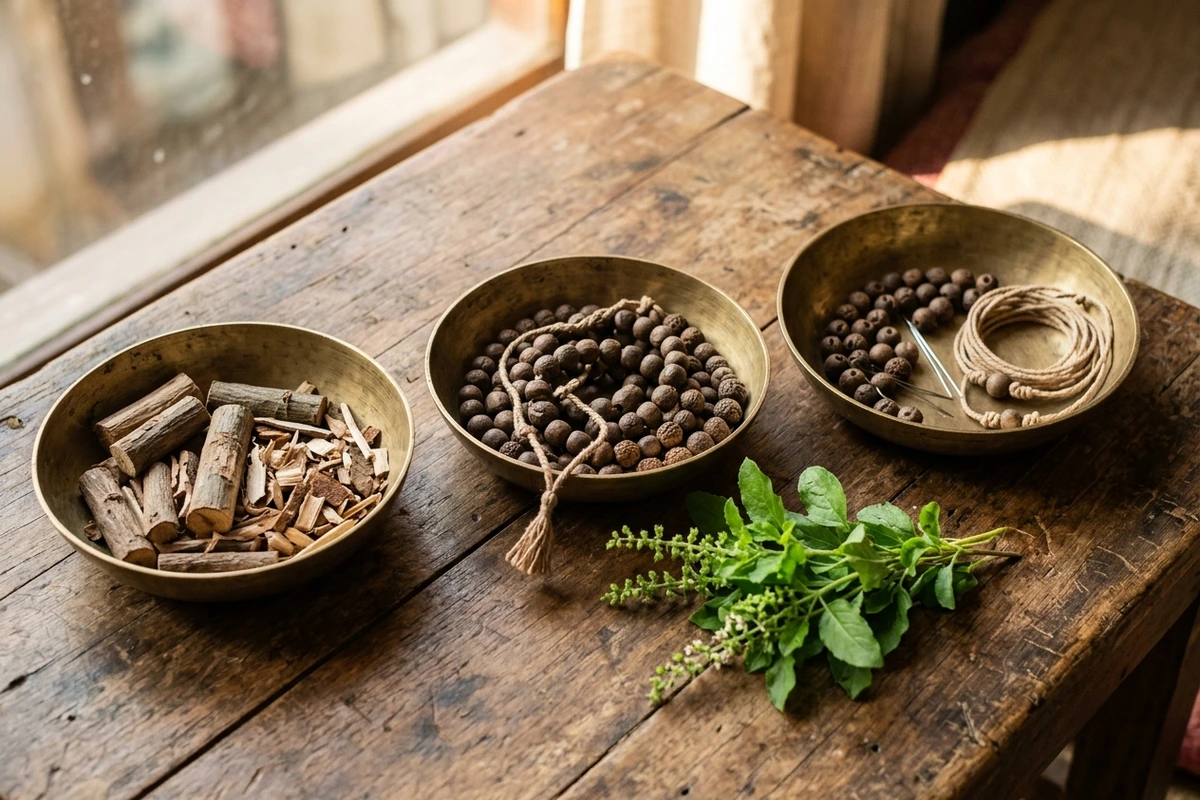
A genuine authentic Tulsi locket preserves this natural wood grain and subtle herbal aroma, showcasing the organic texture of real Vrindavan craftsmanship.
Sacred Variations: Combining Tulsi Beads and Sacred Pendants
Devotees select Tulsi adornments based on personal ishta-devata, family tradition, or specific spiritual vows. Several sacred combinations enjoy widespread reverence:
- Hanuman Ji Tulsi Necklaces: Pairing Tulsi beads with a carved medallion of Lord Hanuman represents unwavering courage, selfless service, and psychic protection against negative influences.
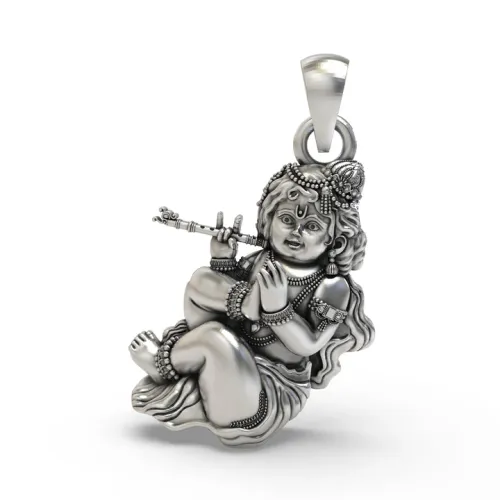
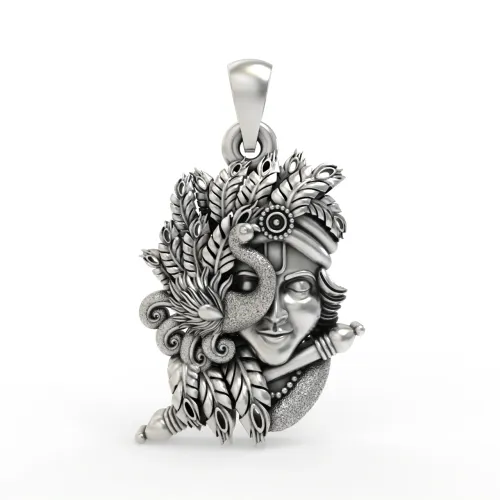
- Radha-Krishna Medallions: Worn by devotees following Gaudiya and Pushtimarg paths to cultivate divine love (prema bhakti) and inner joy.
- Multi-Strand Kanthi Malas: One, two, or three fine strands of tight cylindrical beads worn directly at the base of the neck according to sampradaya traditions.
Devotees seeking an integrated necklace can choose a natural wood Tulsi kanthi mala with Hanuman Ji pendant to combine the traditional neck mala with a consecrated deity focal point.
For dedicated mantra recitation during morning meditation, seekers also keep a 108-bead pure Tulsi japa mala stored in a clean gomukhi bag, separating recitation beads from daily neck wear.
Rules and Etiquette for Wearing a Tulsi Pendant
Because Tulsi represents a sacred botanical embodiment of divine energy, shastras recommend mindful living habits when wearing it continuously:
- Purification Before Wearing: Wash the pendant in fresh water mixed with a drop of Gangajal and raw cow milk, then place it before your home deity before wearing it for the first time.
- Dietary and Lifestyle Discipline: Devotional tradition encourages maintaining a sattvic vegetarian lifestyle, avoiding alcohol, tobacco, and tamasic habits while wearing sacred Tulsi on your neck.
- Bathing and Daily Care: Natural wood beads thrive with water contact during bathing, which helps hydrate the wood. However, avoid exposing the pendant to harsh chemical shampoos, bleaching detergents, or artificial perfumes.
- Periodic Oiling: Every two to three months, gently massage the beads with a drop of pure mustard oil, almond oil, or sandalwood oil to prevent dryness and cracking.
Choosing Authentic Devotional Adornments
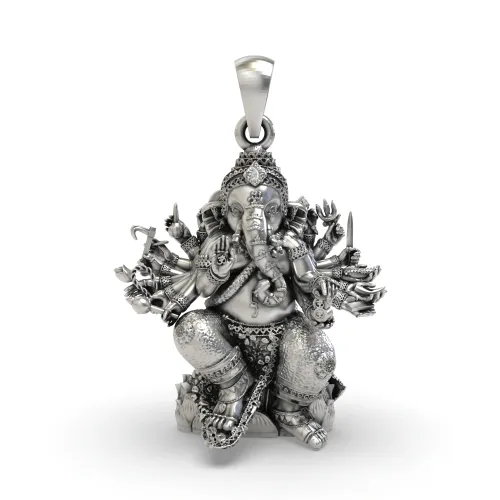
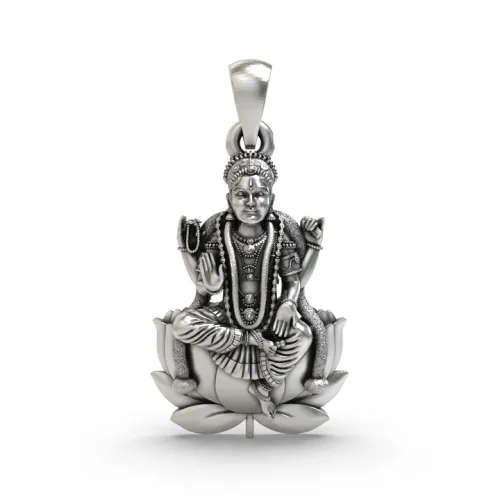
Devotees can explore our dedicated collection of sacred devotional pendants featuring authentic wooden and metal lockets designed for enduring daily wear.
Those wishing to integrate devotional items into broader personal routines will also discover meaningful designs across our wider assortment of spiritual wearables and malas, as well as lightweight handcrafted Tulsi bracelets for the wrist.
Carrying the Timeless Spirit of Vrindavan
Wearing a Tulsi pendant provides a continuous, grounding anchor in modern life. Each time your fingers touch the natural wooden beads or your eyes catch the carved deity in quiet moments, it recalls your commitment to humility, clarity, and unconditional devotion. Through simple, authentic sacred adornments, the spiritual atmosphere of holy Vrindavan remains with you every single day.