


Children encounter crossroads every day. They make active choices about sharing toys, treating classmates with kindness, focusing on school tasks, and responding to sudden emotional upsets. When emotions run high, impulsive reactions quickly replace sound judgment. Long before children face complex adult choices, thoughtful moral grounding teaches them to pause, evaluate situations calmly, and act with clear purpose.
The Bhagavad Gita presents life's ultimate decision-making crisis. On the battlefield of Kurukshetra, the mighty warrior Arjuna stands frozen between personal attachment, fear of painful consequences, and righteous duty. Lord Krishna does not merely dictate what Arjuna must do. Instead, Krishna provides an enduring philosophical framework that helps Arjuna master overwhelming feelings, discern right from wrong, and act with steadfast conviction. Introducing these timeless dialogues through engaging kids devotional books gives young readers practical tools for everyday problem solving.
1. Separating Emotional Overload From Moral Duty
Arjuna's initial breakdown illustrates how intense feelings cloud clear thinking. When grief and uncertainty overtake him, he drops his bow and refuses to act. Krishna addresses this paralysis not with scolding, but by gently separating temporary emotions from permanent moral responsibilities.
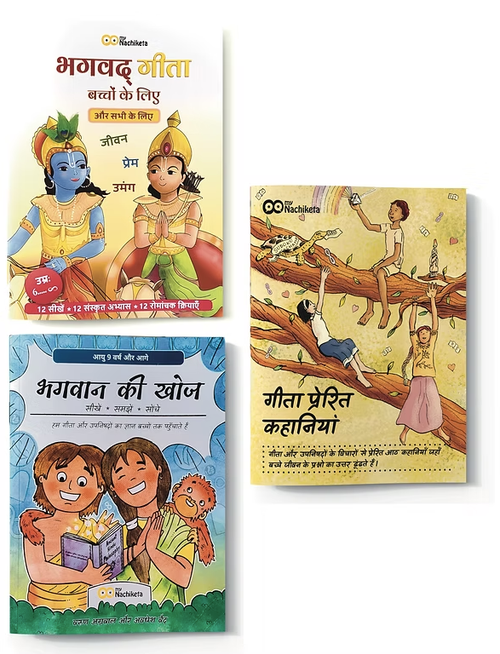
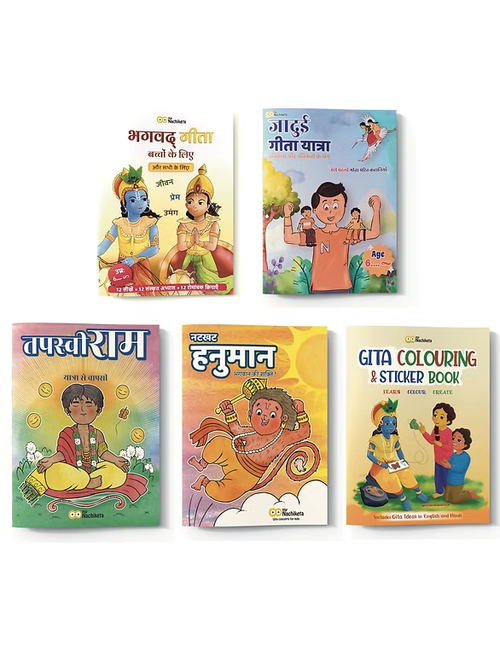
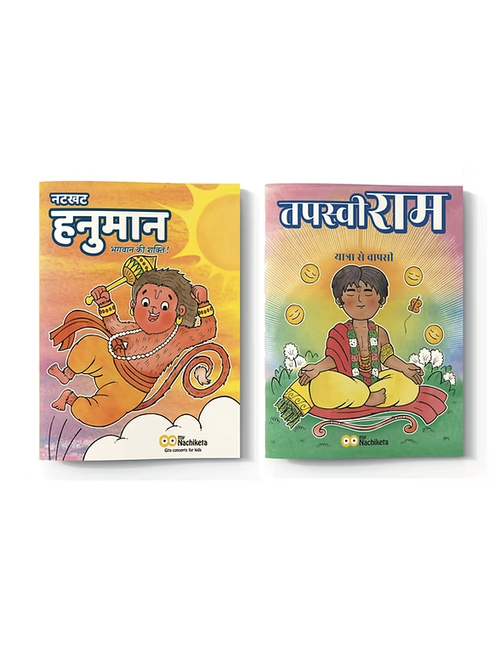
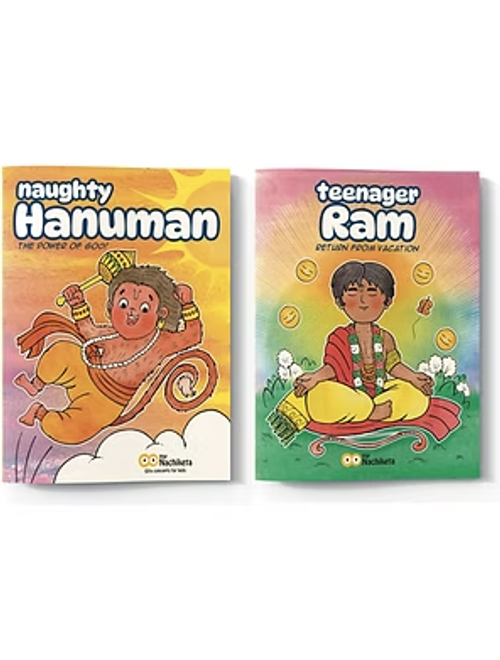
For young children, minor disappointments often feel overwhelming. Losing a classroom game or experiencing a playground dispute can provoke sudden tears or aggressive reactions. Stories from the Gita teach children that acknowledging difficult emotions is normal, yet allowing those feelings to drive rash actions produces regret. Early beginner sets like the My First Gita Pack introduce toddlers and preschoolers to these divine life lessons through vibrant illustrations and comforting character stories.
2. Focus on Sincere Effort Over Outcome (Nishkama Karma)
Modern childhood often revolves around constant performance pressure, from competitive sports tournaments to academic report cards. This intense outcome obsession breeds anxiety and fear of failure. When children focus exclusively on winning, they hesitate to attempt challenging tasks or seek convenient shortcuts.
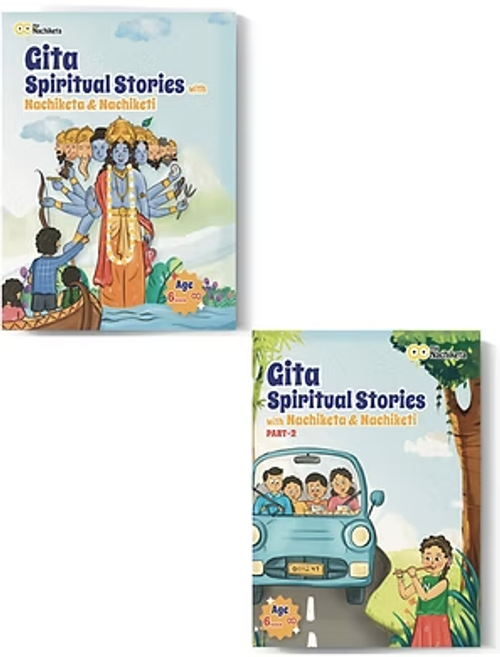
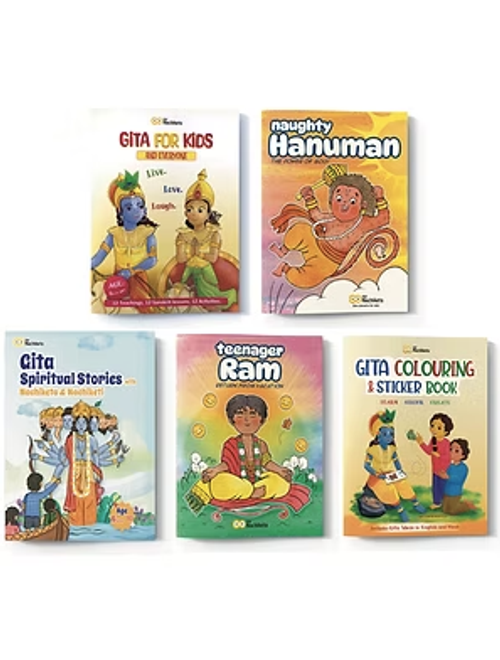
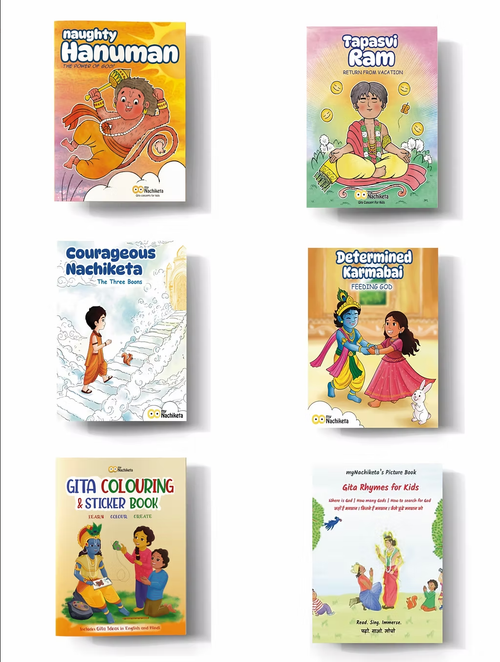
The Gita provides the classic remedy through Nishkama Karma: commit wholehearted effort to the task at hand while letting go of obsessive worry over final results. Krishna explains that no individual controls external outcomes entirely, but everyone commands their own effort, focus, and integrity. When parents read narrative anthologies like Gita Spiritual Stories, children discover heroes who act honorably regardless of immediate rewards. This empowering perspective frees children to tackle hard subjects with genuine joy.
3. Mastering the Senses Through Focused Intellect
In the Gita's famous chariot allegory, Krishna compares restless sensory desires to wild horses pulling a carriage off course. The mind represents the reins, while the discriminating intellect serves as the skilled charioteer. When the charioteer loses focus, the chariot veers into danger.

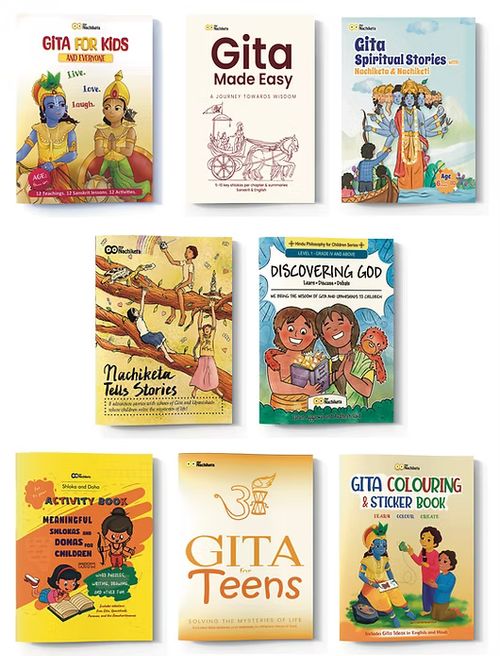
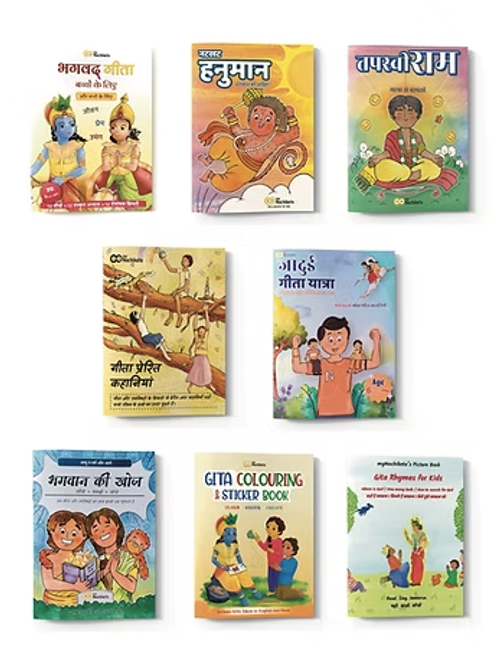
Every child encounters daily chariot challenges: choosing homework before entertainment screens, speaking truthfully when lying seems convenient, or controlling anger during play. Reading structured series like the Gita Explorer Pack helps primary school readers visualize their inner driver taking charge. They learn to guide their choices toward long-term growth rather than giving in to impulsive distractions.
Everyday Reactions vs. Gita-Guided Decisions
| Daily Situation | Impulsive Reaction | Gita-Guided Decision |
| Dispute over playground sharing | Yelling, retaliating, or quitting the game | Pausing to listen, practicing patience, and seeking fair compromise |
| Difficult school homework assignment | Procrastinating, giving up, or seeking shortcuts | Applying sincere effort without obsessing over immediate perfection |
| Peer pressure to exclude a classmate | Conforming out of fear of social rejection | Standing firm in kindness, fairness, and inclusion |
| Losing a competitive sports match | Blaming teammates, crying, or showing anger | Congratulating opponents with grace and analyzing how to improve |
4. Navigating Ethical Crossroads in Adolescence
As children enter their teenage years, simplistic rules about good and bad no longer answer complex life situations. Adolescents confront subtle moral dilemmas, peer pressure, digital dilemmas, and questions about personal identity. The Gita does not prescribe rigid dogma; it encourages active inquiry and moral reasoning known as viveka.
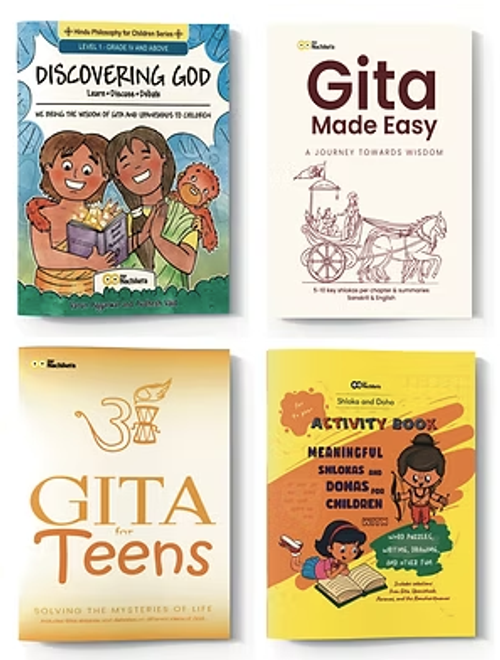
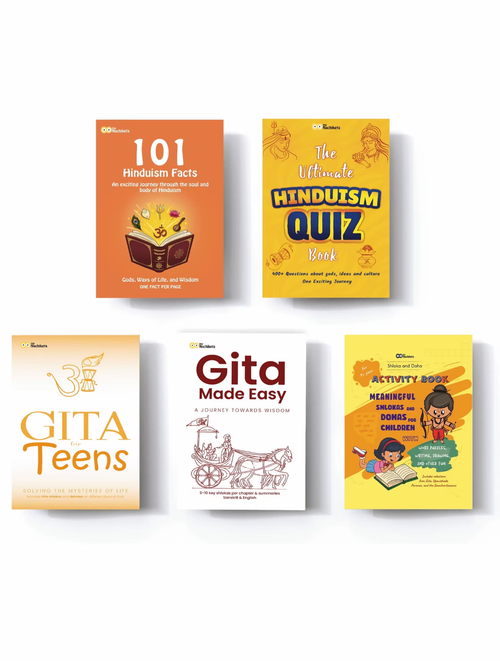
Growing teens benefit tremendously from reflective literature that honors their developing intellect. Compilations such as the Gita Teen Collection present sacred shlokas alongside relevant real-world dilemmas. Young people discover how to evaluate their motivations, withstand shallow peer trends, and choose paths grounded in personal integrity.
Five Simple Routines to Practice at Home
- Dedicate ten unhurried minutes each evening to explore a short sacred story together.
- Ask open questions about what your child would choose if they faced the protagonist's dilemma.
- Build a welcoming reading altar with comforting companions from divine plushies for kids to foster calm reflection.
- Celebrate determined effort, honesty, and kindness instead of praising only scores or wins.
- Discuss real family dilemmas at dinner to demonstrate how Gita values guide daily practical choices.
Building an Unshakeable Inner Compass
Equipping children with strong decision-making principles serves them far better than solving every dilemma for them. When you weave the wisdom of the Gita into daily routines, you provide your child with an enduring inner compass. Guided by clarity, humility, and moral courage, they will meet life's crossroads with steady confidence.