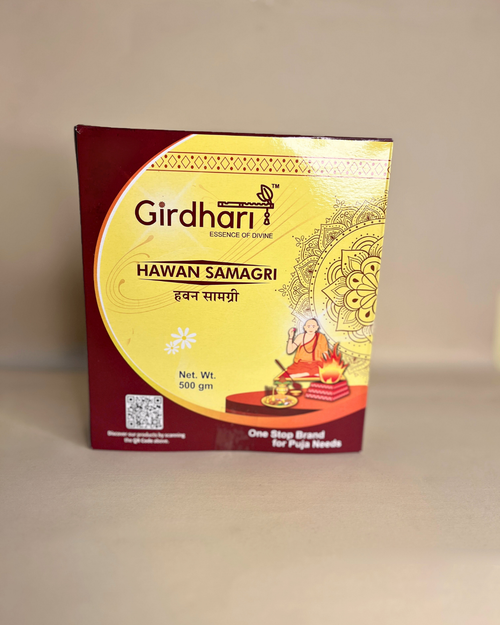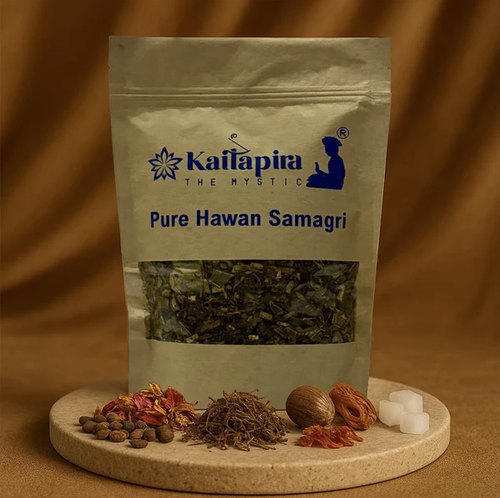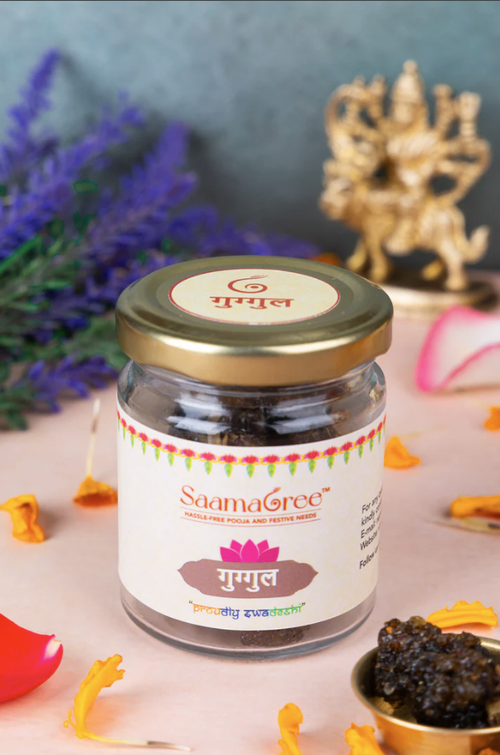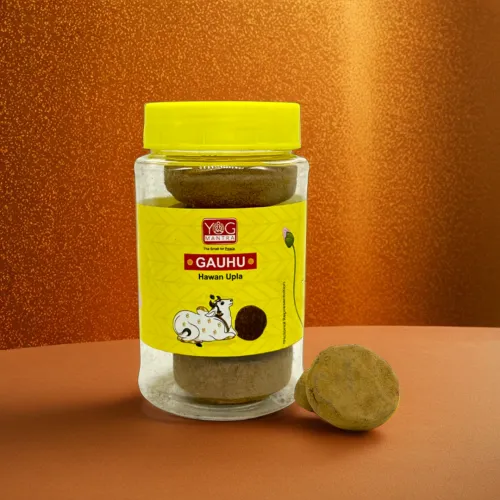

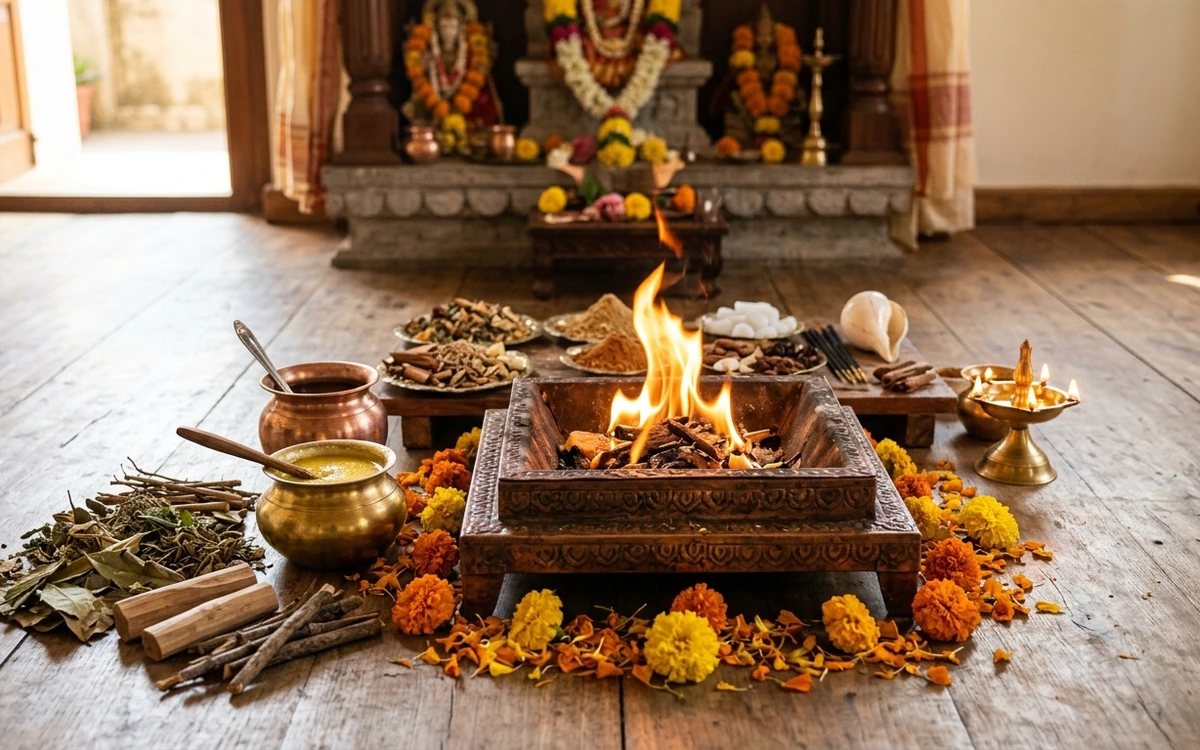
Daily living in urban environments often leaves your mind crowded with digital notifications, work pressures, and fragmented attention. You carry unresolved mental friction from one task to the next without a structured pause. In Sanatan tradition, the sacred fire ritual known as Hawan, Homa, or Yajna provides a direct method to quiet mental noise and restore clarity. By engaging your vision, hearing, and breath around a consecrated flame, this Vedic ceremony anchors your focus in the immediate present. Performing a disciplined fire ritual clears stagnant household atmosphere and resets your emotional state.
The Vedic Science of Agni and Sensory Grounding
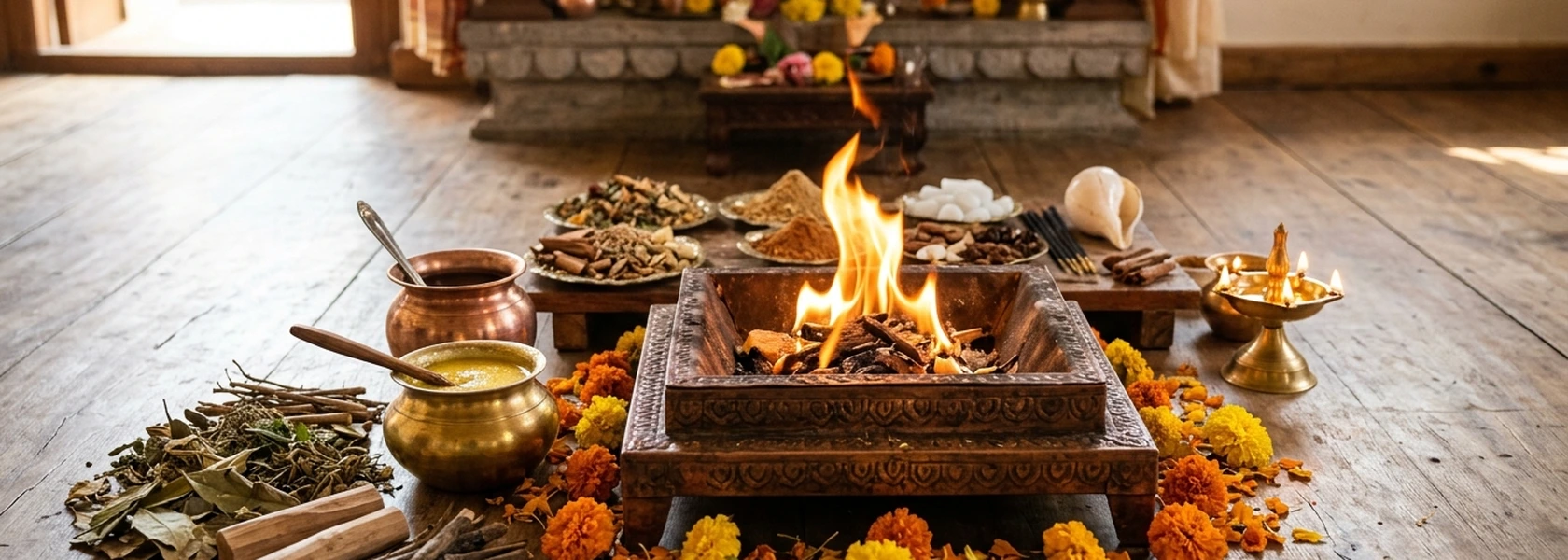
Vedic philosophy identifies Agni, or fire, as the primary mediator between tangible matter and subtle consciousness. Fire consumes physical offerings and transforms them into light, heat, and airborne aromatic vapors. When you sit before a copper havan kund, the steady rhythm of flames captures your gaze and interrupts repetitive thought loops. Psychologists refer to this state as soft fascination, where involuntary attention rests upon natural elements, allowing tired cognitive faculties to recover.
Traditional rituals establish a multi-sensory boundary that shields your awareness from external distractions. Chanting precise Sanskrit mantras creates acoustic resonance that calms your autonomic nervous system. Simultaneously, offering authentic herbal hawan samagri into the fire releases volatile plant compounds that purify ambient air. Each synchronized ahuti, accompanied by the utterance of Svaha, reinforces intentional release and emotional surrender.
Therapeutic Botanicals in Hawan Offerings
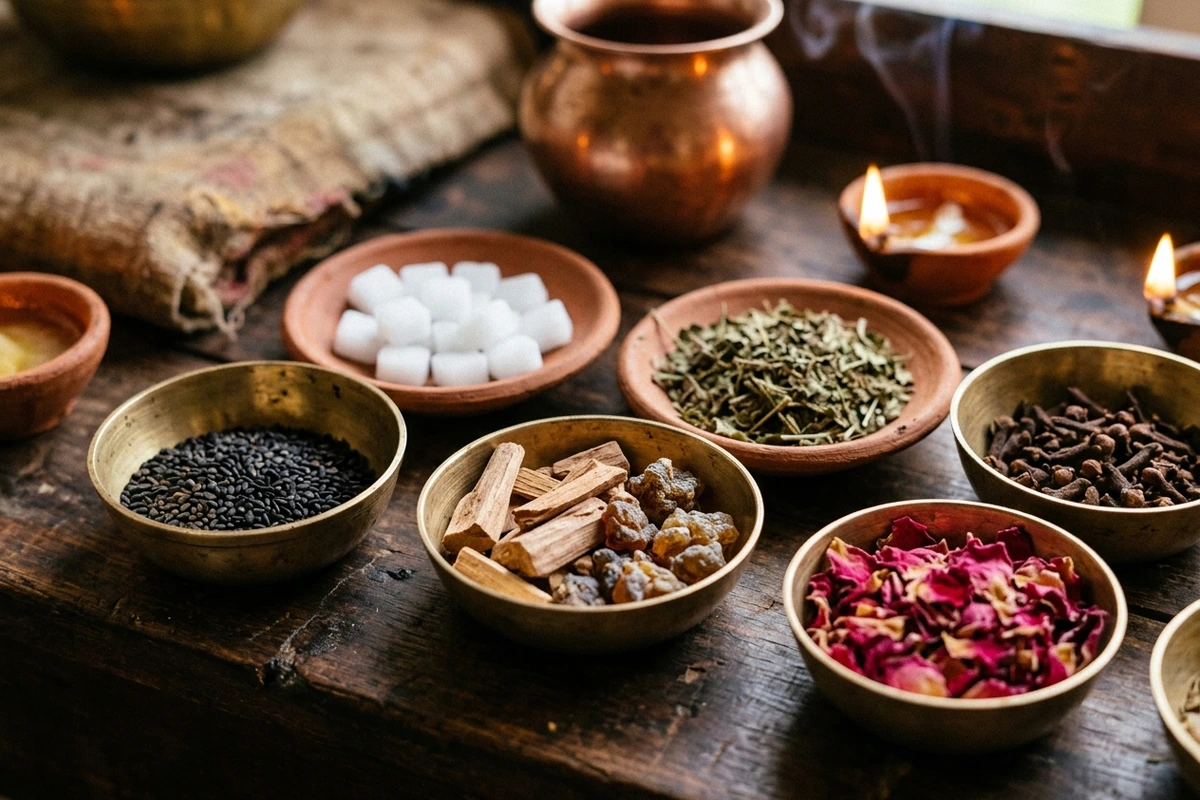
Classical Ayurvedic texts, including the Charaka Samhita and Sushruta Samhita, document the medicinal fumigation of living spaces known as Yagya Chikitsa. The substances offered into the sacred fire combine botanical roots, dried flowers, resin crystals, and natural fats that produce antimicrobial and calming aerosols upon clean combustion.
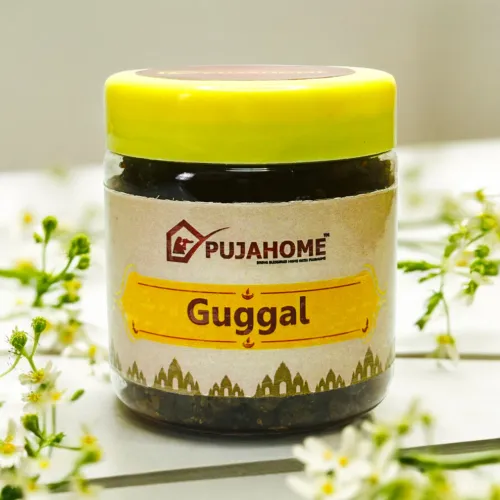
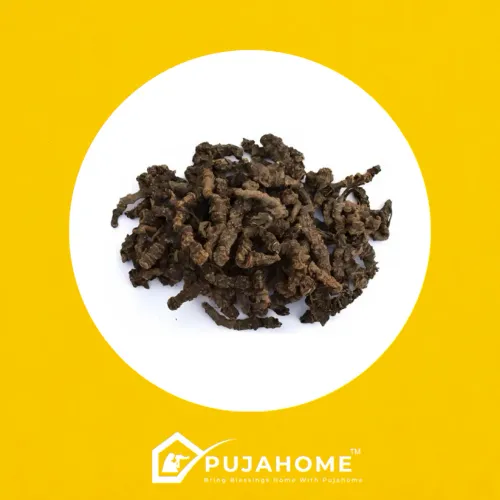
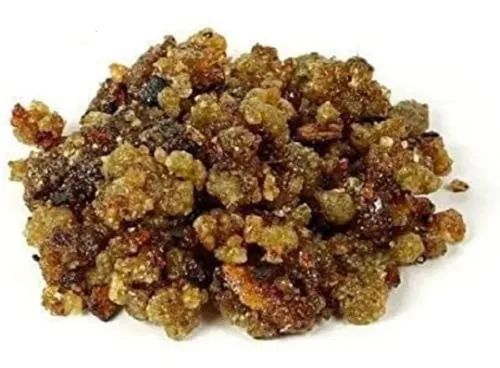
- Guggul (Commiphora mukul): A fragrant resin that releases soothing vapors, clears stagnant odors, and helps lower nervous tension.
- Pure Camphor (Kapur): Sublimates rapidly to produce a crisp, clarifying aroma that sharpens mental alertness.
- Black Sesame Seeds (Til): Symbolic of karmic purification, providing natural sustained heat for steady burning.
- Desi Cow Ghee: Acts as the prime combustive agent, generating minimal smoke while dispersing herbal oils throughout the room.
- Sandalwood and Cedarwood: Cooling wood chips that steady heart rate and foster calm, introspective breathing.
- Nagarmotha and Jatamansi: Earthy roots known in Ayurveda for calming overstimulated nerves and steadying erratic thoughts.
For households seeking complete preparations without tedious gathering of individual roots, using a comprehensive hawan puja kit ensures accurate proportions of Vedic herbs, dry woods, and ritual implements. Laying a stable foundation using traditional dried cow dung uple maintains an even, smokeless bed of glowing coals.
Comparing Hawan Offerings and Their Practical Effects
| Ritual Ingredient | Primary Property | Sensory Impact | Emotional Benefit |
| Guggul & Loban | Antimicrobial resin | Warm balsamic scent | Dispels heaviness and anxiety |
| Pure Camphor | Rapid sublimation | Cooling, sharp aroma | Awakens attention and focus |
| Desi Cow Ghee | High-temperature fuel | Buttery, sweet smoke | Fosters domestic harmony |
| Herbal Samagri Roots | Ayurvedic botanicals | Earthy, grounding vapor | Reduces cognitive fatigue |
| Dry Cow Dung Cakes | Dense, clean ember | Neutral steady burn | Grounds ritual space |
The Psychology of Ahuti: Action-Based Emotional Release
Human emotions require tangible expression to resolve completely. Merely thinking about letting go of anxiety often deepens mental rumination. Hawan externalizes the psychological act of release through physical movement. Holding a measure of sacred samagri between your thumb, middle finger, and ring finger grounds your body in intentional posture. As you utter Svaha and drop the blend into the flame, you enact an unmistakable physical gesture of surrender.
The word Svaha translates as well-offered or surrendered. In the context of emotional health, each offering acknowledges that personal outcomes remain outside your absolute control. Watching solid herbs turn instantly to ash provides visual evidence of impermanence. Whatever burden you associate with that offering is metaphorically consumed by the fire, leaving your mind free to start afresh.
Modern Urban Adaptations for Apartment Living
Living in modern flats with smoke alarms and closed ventilation makes conducting large traditional outdoor homas challenging for daily sadhana. Devotees require accessible rituals that preserve traditional sanctity without creating heavy smoke residue on walls or furniture. Pre-filled ritual cups provide a practical solution for daily or weekly reset routines.
Lighting natural sambrani hawan cups delivers the aromatic and energetic benefits of a homa within a compact, controlled charcoal-free vessel. Devotees can browse our complete range of sacred dhoop and hawan cups to discover gentle formulations suited for domestic altars, morning meditation, or evening family prayers.
Four Steps to Conduct a Mindful Home Hawan Reset
- Prepare the Sacred Space: Clean your altar area thoroughly, ensure gentle cross-ventilation, and place your havan kund or cup holder on a heat-resistant surface.
- Kindle the Clean Flame: Place a small piece of natural camphor on dry wood chips or light your hawan cup tip until it catches a steady orange flame.
- Recite Intentional Mantras: Sit upright facing east, breathe slowly, and chant the Gayatri mantra or Maha Mrityunjaya mantra with full presence.
- Offer Ahutis with Conscious Surrender: Place small pinches of samagri into the fire with each Svaha, consciously releasing mental fatigue, resentment, and daily agitation.
Cultivating Enduring Peace in Daily Life
A sacred fire ritual is not a passive tradition; it is an active psychological and spiritual reset. Sitting quietly before the embers after the ceremony leaves your home scented with pure woods and your mind free from turbulent thoughts. Devotions grounded in authentic Vedic materials help you maintain emotional stability throughout demanding weeks. You can explore our dedicated curated havan essentials collection to equip your home mandir with pure, tested articles for every sacred observance.