
Jasmine occupies an enduring role in Indian spiritual practices. Known regionally as Mogra, Chameli, or Malligai, this night-flowering botanical produces a sweet, refreshing aromatic profile. Temple sanctums and household mandirs utilize fresh blossoms and incense to mark ritual transitions. Burning natural incense introduces volatile organic compounds into the room, creating an olfactory cue that distinguishes daily household activity from focused meditation. The subtle floral aroma directs sensory attention inward, anchoring practitioners during japa, mantra chanting, and daily devotional routines.
Botanical Heritage and Regional Ritual Uses
Classical Sanskrit texts classify fragrant white blossoms among the purest offerings for worship. Mogra blossoms feature prominently across Vaishnava, Shaiva, and Shakta rituals throughout India. Regional customs reflect distinct ways of presenting jasmine during ceremonies:
- Southern Indian temples string thick garlands of fresh Malligai for morning abhishekam and evening shodashopachara ceremonies.
- Western Indian shrines in Gujarat and Maharashtra light Mogra incense sticks during early morning prayer to establish mental stillness before recitation.
- Northern pilgrimage centers incorporate jasmine oil and dry floral dhoop in evening sandhya aarti rituals along river ghats.
When fresh flowers are unavailable during winter months or travel, practitioners rely on high-grade floral agarbatti. Burning clean floral sticks reproduces the distinct natural notes of fresh blooms, sustaining ritual continuity without smoke irritation.
Olfactory Dynamics and Mental Balance
Olfactory receptors connect directly to the limbic system, the brain center governing emotional regulation and memory consolidation. While sensory inputs from vision and hearing pass through the thalamus for cognitive filtering, inhaled aroma molecules generate rapid neurochemical responses. Jasmine contains active botanical constituents, notably linalool and benzyl acetate.
These compounds promote autonomic nervous system balance. Unlike heavy woody notes that can induce lethargy, jasmine creates an alert, focused calm. This dual state of relaxation and mental alertness prevents sleepiness during early morning meditation while moderating mental tension and restlessness.
Aromatic Formats for Different Worship Spaces
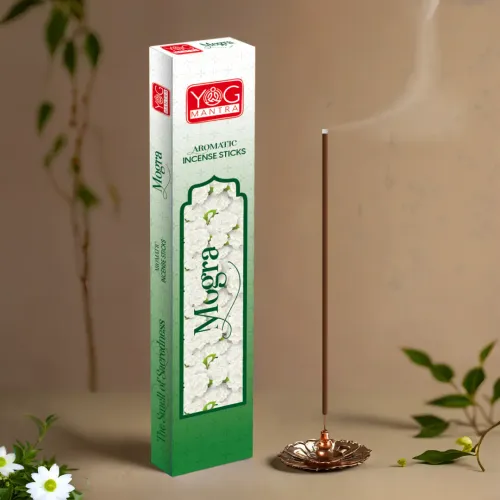
Selecting an appropriate incense format depends on your room size, ventilation, and worship schedule. Traditional hand-rolled incense sticks provide a light, consistent smoke trajectory that disperses gently through standard living spaces. Products like Yog Mantra Mogra Incense Sticks burn steadily for forty-five minutes, making them ideal for personal shrine contemplation.
Larger prayer spaces, communal halls, and festival observances require greater aromatic volume. Devotees often light Pujahome natural mogra sambrani cups to generate dense, resinous smoke. These charcoal-based or herbal cups release aromatic sambrani combined with concentrated jasmine oils, purifying indoor air and maintaining a lingering sacred aroma for hours.
Aromatic Formats Comparison
| Aromatic Format | Burn Duration | Smoke Output | Best Practical Use |
| Traditional Bamboo Sticks | 40 to 50 minutes | Low to moderate | Daily morning puja and personal prayer desks |
| Natural Sambrani Cups | 20 to 30 minutes | High and resinous | Evening household purification and festive aarti |
| Dry Floral Cones | 25 to 35 minutes | Moderate and dense | Enclosed mandir rooms and office shrines |
Altar Care and Safe Burning Practices
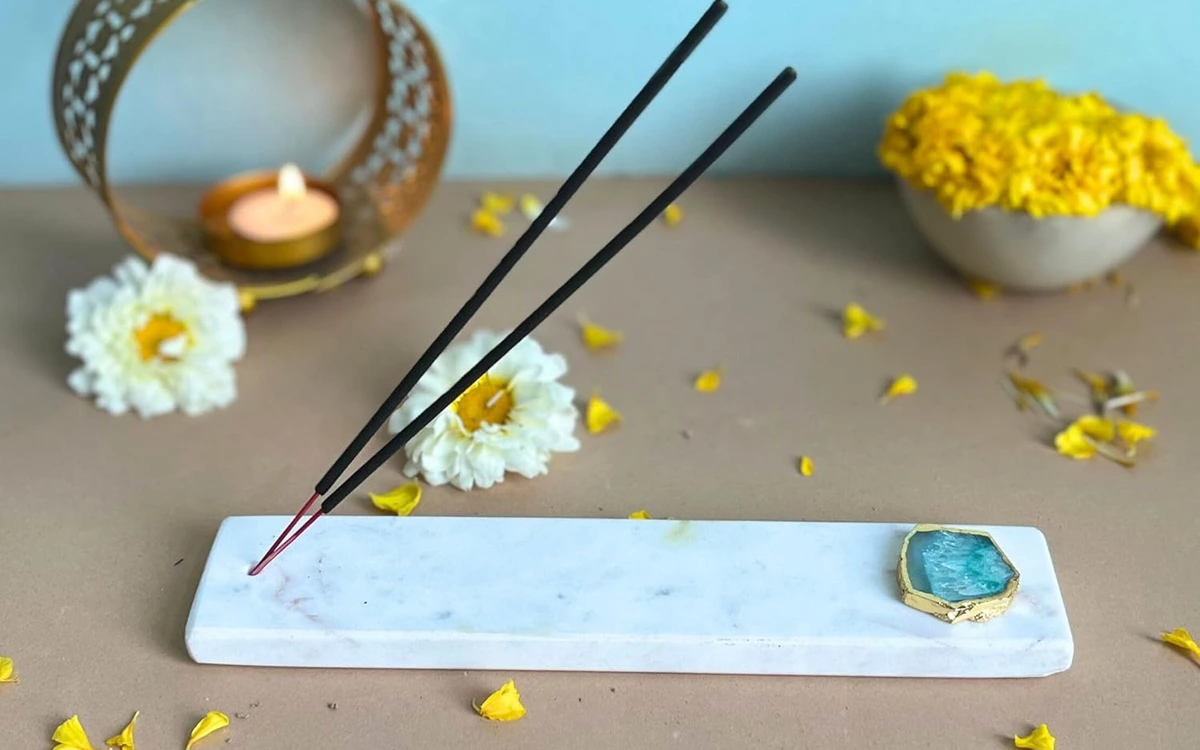
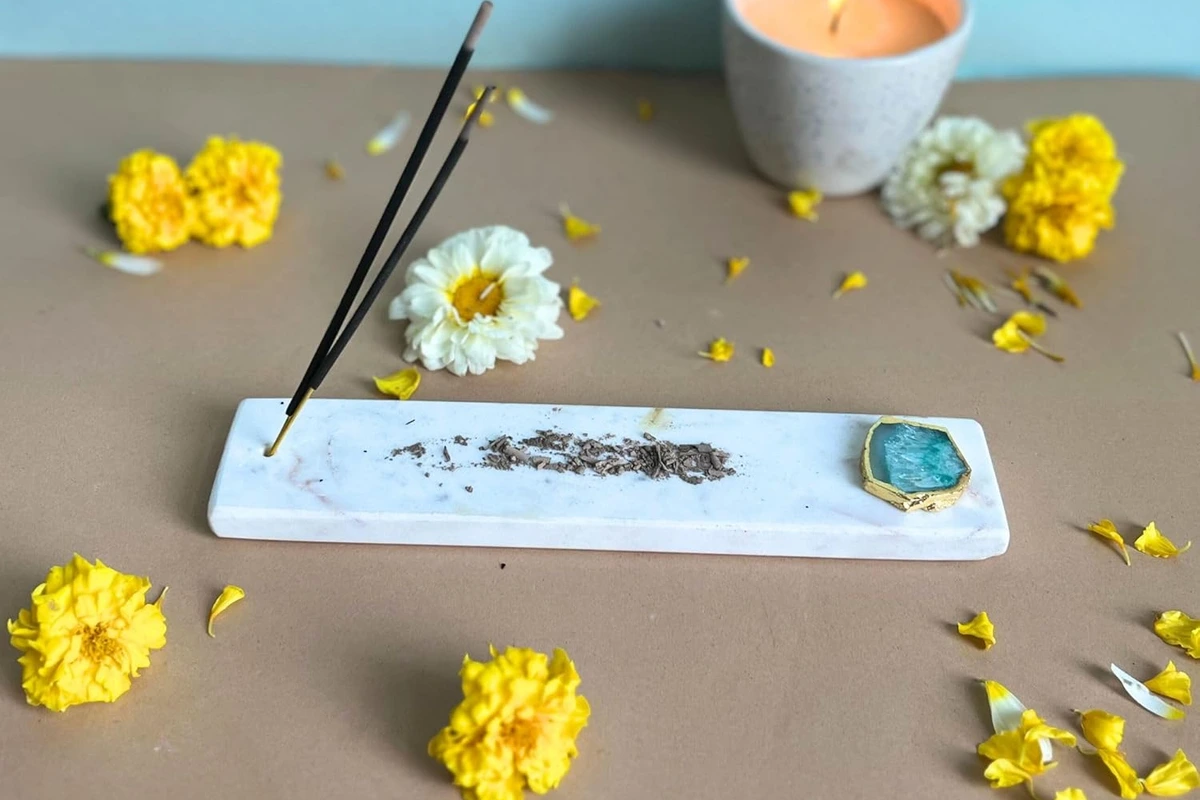
Safe ritual practice requires proper accessories and mindful placement. Burning incense produces hot ash that can leave dark marks on lacquered wood or create hazards near ghee lamps and deity garments. Using a dedicated handmade marble agarbatti stand secures the burning sticks and collects falling residue along its polished base.
Observe several safety rules when burning incense in domestic shrines:
- Position the incense stand on a stable, fireproof stone or metallic tray away from altar drapery.
- Ensure sufficient ventilation by leaving a nearby window or door slightly open during burning.
- Allow ash to cool completely before disposal into organic compost or clean soil.
- Extinguish sticks completely before leaving the residence unattended.
Establishing a Daily Fragrance Routine
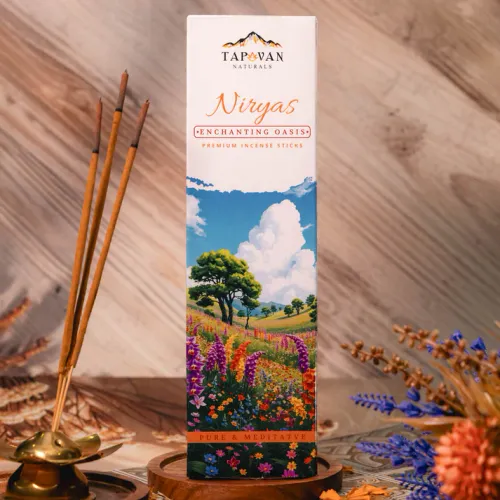
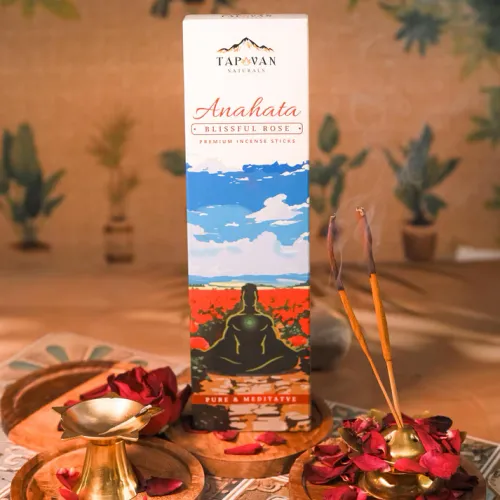
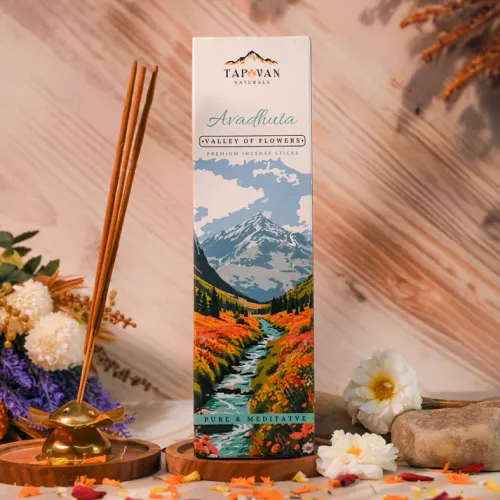
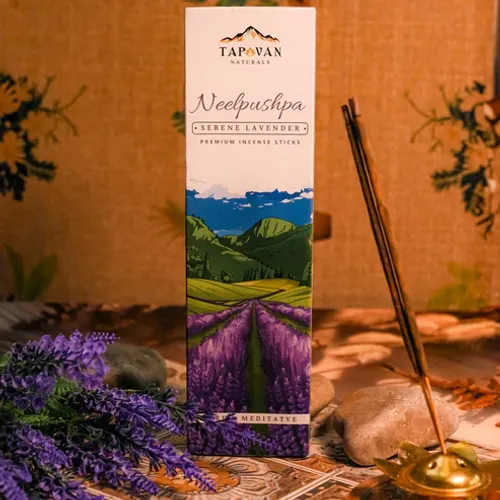
Repetition builds habit and spiritual discipline. Lighting incense at a set hour every morning trains sensory memory to associate the aroma with calm focus. Devotees who explore varied collections of agarbatti incense sticks can match different aromas with specific days, seasons, or deities.
Authentic, clean-burning ingredients ensure clear indoor air quality and genuine aromatic satisfaction. Explore the wider selection of natural formulations in the agarbatti, dhoop and sambrani range to build a peaceful, disciplined prayer space in your home.