
Kartik Purnima occurs on the full moon day of Shukla paksha in the sacred month of Kartika. Celebrated across India as Tripurari Purnima and Dev Deepawali, this tithi honors Lord Shiva defeating Tripurasura and the advent of Lord Vishnu's Matsya avatar. Devotees take holy river baths at dawn, keep a day fast, and light lamps across homes and temples at dusk. In 2026, the Vedic Panchang marks Purnima tithi on Tuesday, November 24, concluding at 08:23 PM in New Delhi. Following the authentic kartik purnima puja vidhi helps families conduct home worship with devotion, discipline, and scriptural accuracy.
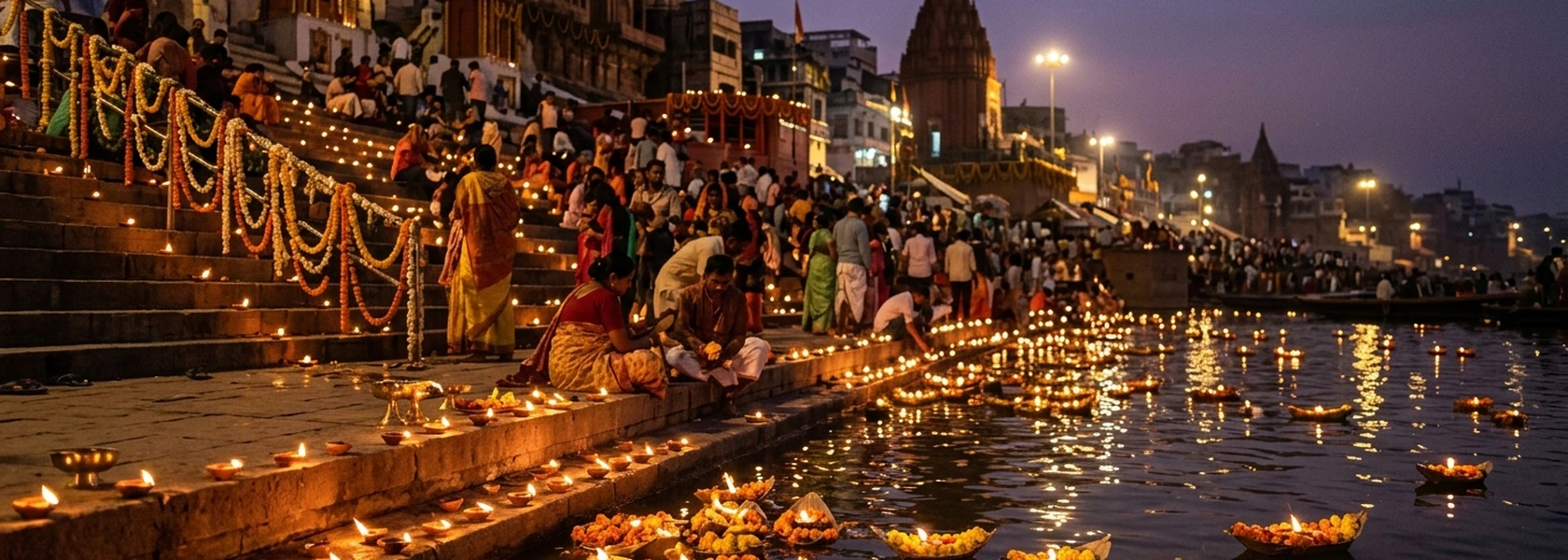
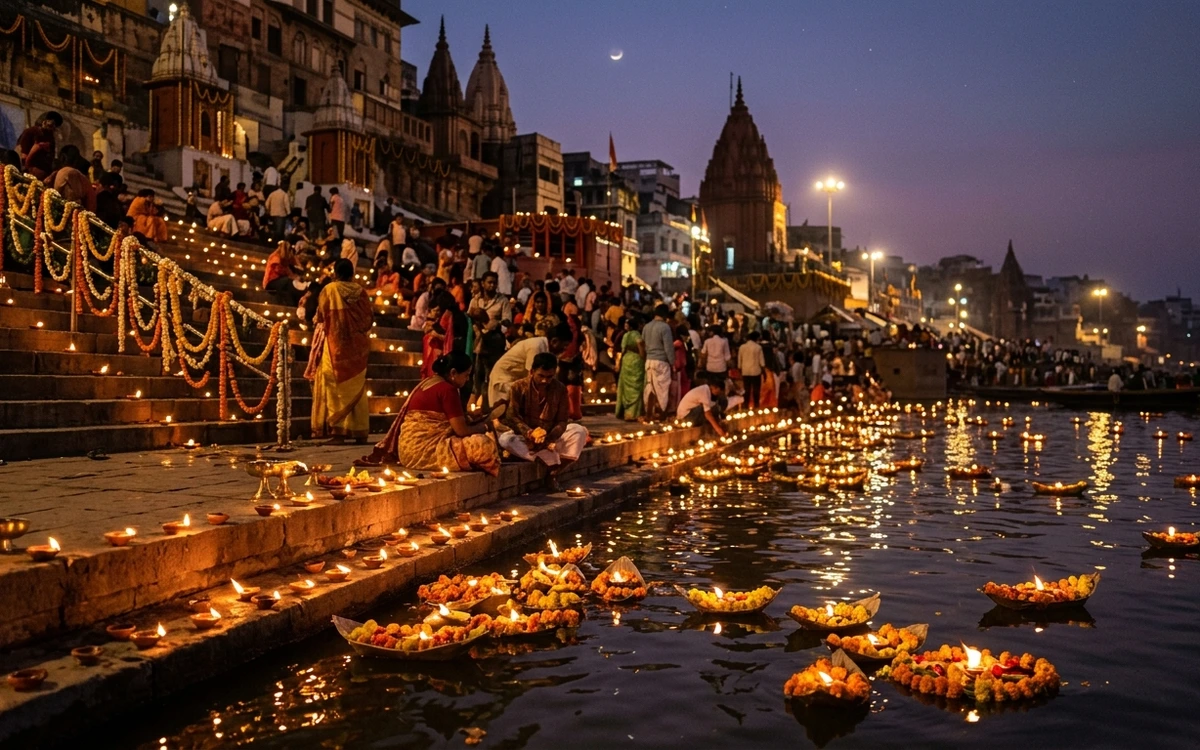
The entire month of Kartika emphasizes prayer, charity, and self-restraint. The full moon day marks its final culmination. Devotees complete their month-long Kartika snan on this day. In holy cities like Varanasi, Haridwar, and Prayagraj, thousands of earthen diyas line the river ghats to welcome the devas. Families observing this sacred day at home invite peace, remove past karmic obstacles, and invoke divine grace.
Spiritual Significance and Legends of Kartik Purnima
Vedic traditions record several sacred events on this day. The foremost legend recounts Lord Shiva slaying the three demon brothers known as Tripurasura. The demons built three flying fortresses of gold, silver, and iron, harassing sages and disrupting cosmic order. Answering prayers from the devas, Lord Shiva destroyed all three cities with a single fiery arrow on this full moon day. In celebration, the devas illuminated heaven with oil lamps, establishing Dev Deepawali.
The day also honors Lord Vishnu's Matsya avatar. Lord Vishnu assumed the form of a horned fish on Kartik Purnima to rescue King Satyavrata, the saptarishis, and the sacred Vedas from the cosmic deluge. Devotees offer morning prayers and chant sacred Vishnu stotrams to celebrate the preservation of divine knowledge.
Kartik Purnima also marks the completion of the sacred Tulsi Vivah ceremonies. Families who observe the ceremonial wedding of Goddess Tulsi and Lord Shaligram perform their final offerings on this tithi, concluding the Kartika vows with prayers for household harmony.
Panchang Timings and Muhurat for Kartik Purnima 2026
Observing accurate panchang coordinates ensures that snan, pujan, and evening deepdan take place at auspicious times. The coordinates for New Delhi mark the key festival windows for 2026.
| Panchang Attribute | Details for 2026 Observance |
| Purnima Tithi Date | Tuesday, November 24, 2026 |
| Purnima Tithi Concludes | Tuesday, November 24, 2026 at 08:23 PM |
| Sunrise (New Delhi) | 06:50 AM (06:50:27 IST) |
| Sunset (New Delhi) | 05:25 PM (17:24:52 IST) |
| Moonrise (New Delhi) | 04:56 PM (16:56:19 IST) |
| Active Nakshatra | Krittika until 11:25 PM, then Rohini |
| Active Yoga | Parigha until 04:05 PM, then Shiva |
| Active Karana | Vishti until 10:05 AM, then Bava until 08:23 PM |
| Auspicious Abhijit Muhurat | 11:46 AM to 12:28 PM |
| Morning Labh Choghadiya | 10:48 AM to 12:07 PM |
| Morning Amrit Choghadiya | 12:07 PM to 01:27 PM |
| Evening Deepotsav Labh Choghadiya | 07:05 PM to 08:46 PM |
| Night Shubh Choghadiya | 10:27 PM to 12:08 AM |
Purnima tithi stays active from dawn through 08:23 PM on Tuesday, November 24, 2026. Therefore, the morning holy dip and the evening Pradosh deepdan occur on the same date. Devotees should take their holy bath between 06:50 AM and 08:30 AM. Midday puja to Lord Vishnu and Lord Shiva is best conducted during Abhijit muhurat (11:46 AM to 12:28 PM). For evening Dev Deepawali deepdan, light lamps from sunset at 05:25 PM through the Labh choghadiya window ending at 08:46 PM.
Essential Samagri for Kartik Purnima Puja Vidhi
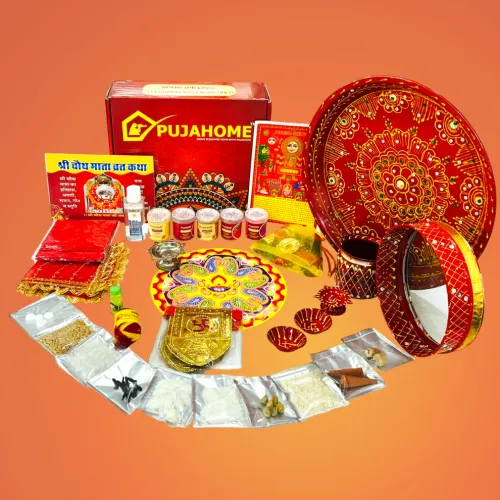
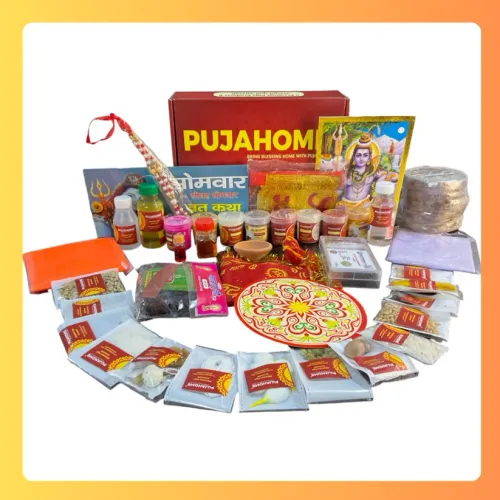
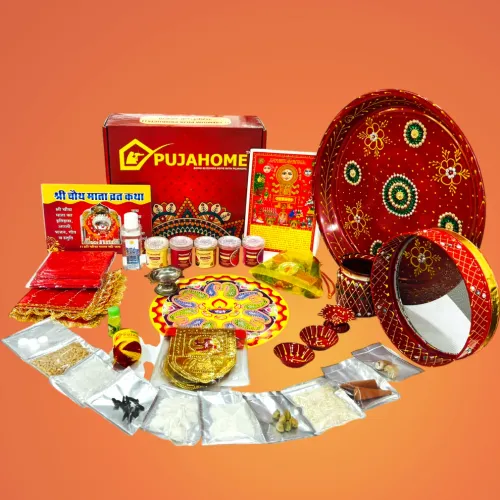
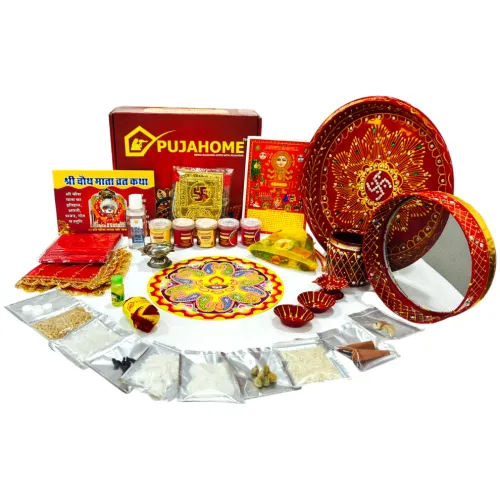
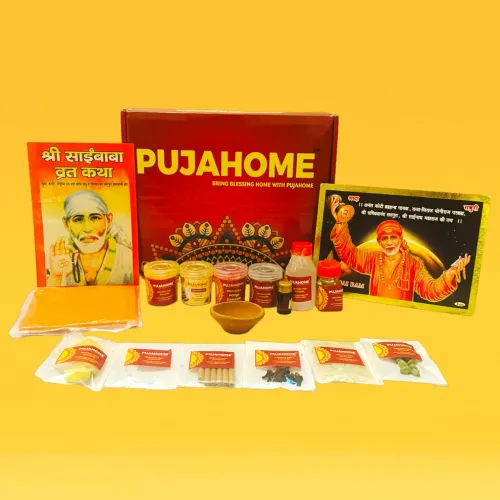
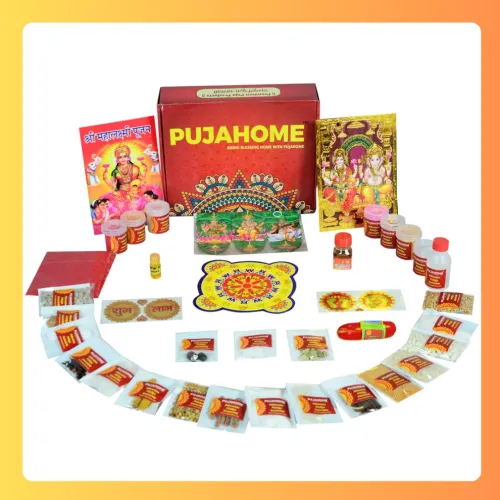
Arranging pure ritual items in advance prevents delays during auspicious hours. Devotees seeking pre-assembled items often choose complete pooja kits to secure pure samagri in one place.
- Brass or clay murtis of Lord Shiva, Goddess Parvati, Lord Vishnu, and Goddess Lakshmi.
- A clean ritual platter such as the Jaipur Ace Silver Plated Tradational Pooja Thali Set of 7 Pieces with Royal Velvet Box to organize offerings.
- Earthen or brass diyas in sets of 11, 21, 51, or 108 for household deepdan.
- Pure cow ghee or sesame oil for fueling the lamps.
- Clean cotton wicks such as 100% Natural Cotton Diya Wicks Pack of 1000 for steady burning.
- Pure Gangajal and fresh water in a brass kalash.
- Aromatic dhoop such as Camphor Gugal Sambrani Dhoop Cups to cleanse the room air.
- Pure roli and kumkum kept in a JAIPUR ACE Golden Metal Kumkum Holder/Kumkum Box for Gifting, Pooja, Thali, Mandir, Home, Temple. for tilak.
- White sandalwood paste, unbroken akshat rice, turmeric, and sacred moli thread.
- Fresh yellow marigolds, white flowers, bilva leaves for Shiva, and tulsi leaves for Vishnu.
- Fragrant sticks from the agarbatti and incense sticks collection for daily aarti.
- Panchamrit ingredients: raw milk, curd, ghee, honey, and natural sugar.
- Satvik naivedya: seasonal fruits, makhana kheer, batasha, and panjiri.
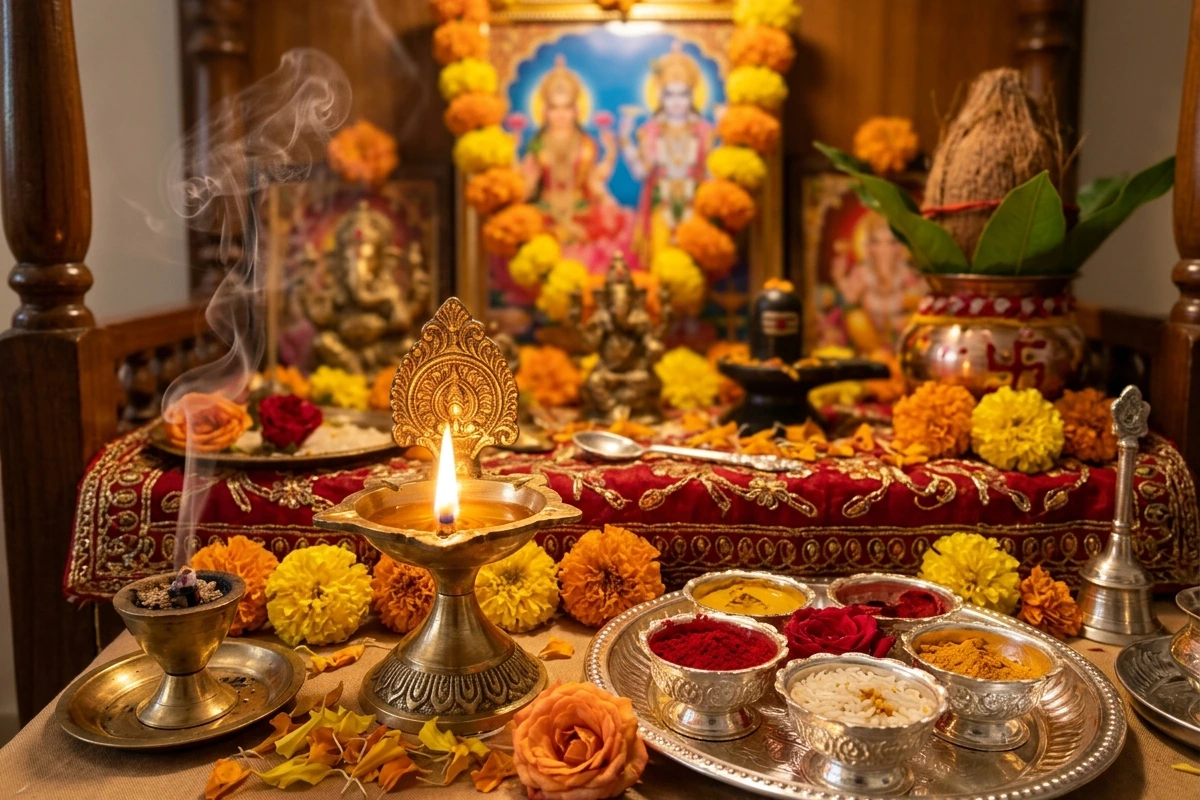
Step-by-Step Kartik Purnima Puja Vidhi for Home Worship
Performing the rituals systematically maintains ritual sanctity throughout the day. Follow these practical steps to perform the complete kartik purnima puja vidhi at home.
Step 1: Brahma Muhurat Snan and Sankalpa
Wake up during Brahma muhurat between 04:30 AM and 05:30 AM. Taking a dip in a sacred river on this morning carries immense merit. When bathing at home, add a few drops of Gangajal, raw milk, and sesame seeds into clean water. Chant sacred river names while pouring the water.
Wear clean white or yellow garments. Sit facing East on an asana before your altar. Hold water, a pinch of akshat, and a flower in your right palm. Recite your Sankalpa, dedicating your fast, prayers, and deepdan to Lord Shiva and Lord Vishnu for household peace and well-being.
Step 2: Altar Setup and Kalash Sthapana
Clean the puja space and set a wooden chowki draped with fresh yellow or red cloth. Place murtis or images of Lord Shiva, Goddess Parvati, Lord Vishnu, and Goddess Lakshmi. Draw an eight-petaled lotus pattern on the cloth using raw rice.
Place a brass kalash over the rice pattern. Fill it with water, adding a supari, coin, and pinch of turmeric. Place five mango leaves around its rim and crown it with a coconut wrapped in red thread.
Step 3: Panchamrit Abhishekam and Shodashopachara Pujan
Mix milk, curd, ghee, honey, and sugar into panchamrit. Bathe the Shivling and Shaligram with clean water, panchamrit, and Gangajal. Pat them dry with a clean cloth.
Apply white sandalwood paste and offer bilva leaves to Lord Shiva with the mantra Om Namah Shivaya. Apply chandan and offer tulsi leaves to Lord Vishnu with the mantra Om Namo Bhagavate Vasudevaya. Never offer tulsi to Shiva or bilva leaves to Vishnu.
Step 4: Naivedya Offering and Kartik Purnima Katha
Offer seasonal fruits, panjiri, and kheer to the deities. Wave dhoop and light agarbatti. Gather family members and read or listen to the sacred Kartik Purnima Vrat Katha. Reflecting on divine righteousness reinforces righteous living in daily life.
Step 5: Evening Deepdan and Aarti
At twilight, fill brass and clay diyas with ghee or sesame oil and insert fresh cotton wicks. Light the main altar diya first.
Place lighted lamps at key points: near the tulsi plant, at the main entrance, in the kitchen, near water storage, on the terrace, and under a sacred peepal or banyan tree nearby. If near a river or pond, float diyas on leaves into the water with prayers for universal peace.
Conclude by performing aarti for Lord Shiva and Lord Vishnu with a camphor lamp. Sing devotional hymns with family members and share prasad.
Significance of Deepdan on Dev Deepawali
Deepdan, the ceremonial lighting and offering of lamps, carries distinct spiritual merit on Kartik Purnima. Vedic texts describe lighting lamps during Kartika as an act that removes inner darkness. On Purnima night, lighting sets of 21, 51, or 108 lamps brings mental serenity and dispels negative energies.
Placing lamps near water honors the link between light and water. Water reflects the flame, signifying the spread of truth and wisdom. Placing a lamp beneath sacred trees like the peepal or amla expresses gratitude to nature.
Key Fasting Guidelines and Ritual Rules
- Maintain satvik speech and calm conduct throughout the day.
- If fasting strictly, take only milk, fruits, or roasted makhana until the evening puja ends. Break the fast after deepdan with food cooked without onion or garlic.
- Never pluck tulsi leaves on Purnima day. Always pluck them a day earlier on Chaturdashi.
- Avoid daytime sleep on the fast day to preserve wakeful mindfulness.
- Donate warm clothing, food, or earthen lamps to needy families, as charity on Kartik Purnima yields lasting merit.
Frequently Asked Questions About Kartik Purnima
Why is Kartik Purnima called Dev Deepawali?
After Lord Shiva vanquished Tripurasura on this tithi, the devas celebrated Diwali in heaven to rejoice over righteous order. Because celestial beings celebrated light on this date, it is called Dev Deepawali.
What should you do if you cannot visit a sacred river for snan?
You can perform a holy bath at home. Add a few drops of Gangajal, raw milk, and sesame seeds to your bath water. Face East and chant sacred river names while bathing.
How many diyas should you light on Kartik Purnima?
Devotees commonly light sets of 11, 21, 51, or 108 diyas based on family custom. Some also light a 365-wick cotton lamp in cow ghee to symbolize a year of daily devotion.
Can Lord Shiva and Lord Vishnu be worshipped together on Kartik Purnima?
Yes. Kartik Purnima is one of the rare occasions where Shiva and Vishnu are honored equally. Shiva is worshipped as Tripurari, while Vishnu is worshipped as Matsya and Shaligram.