
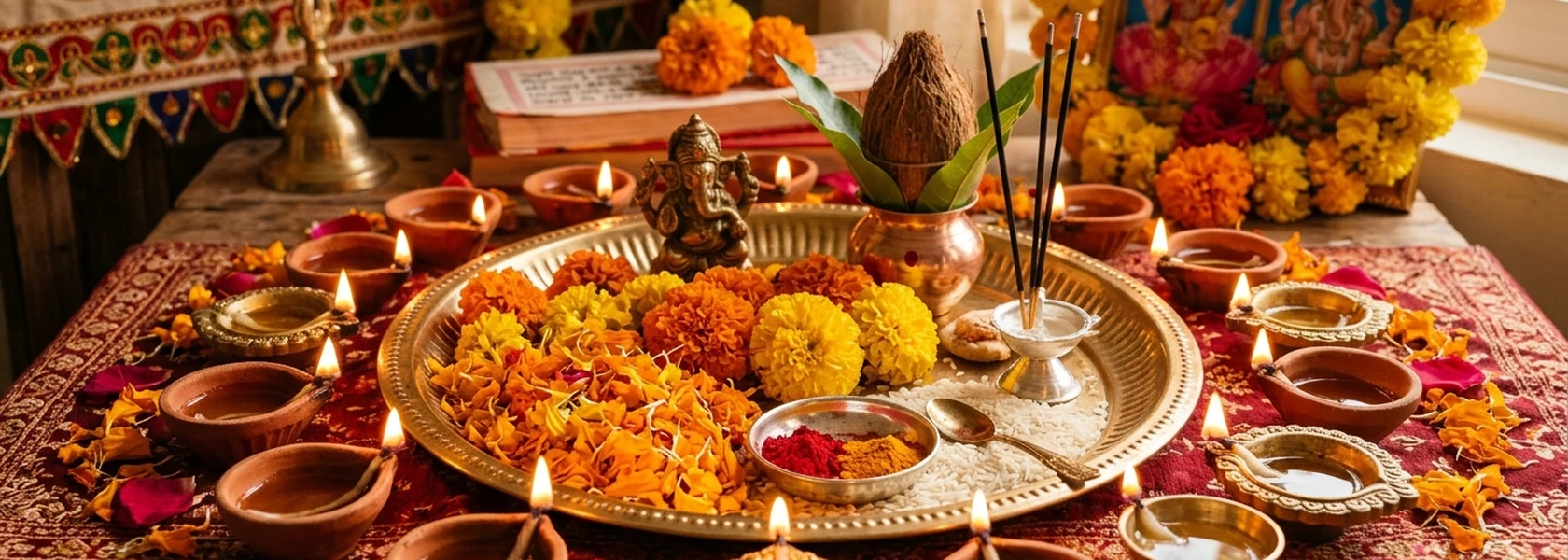
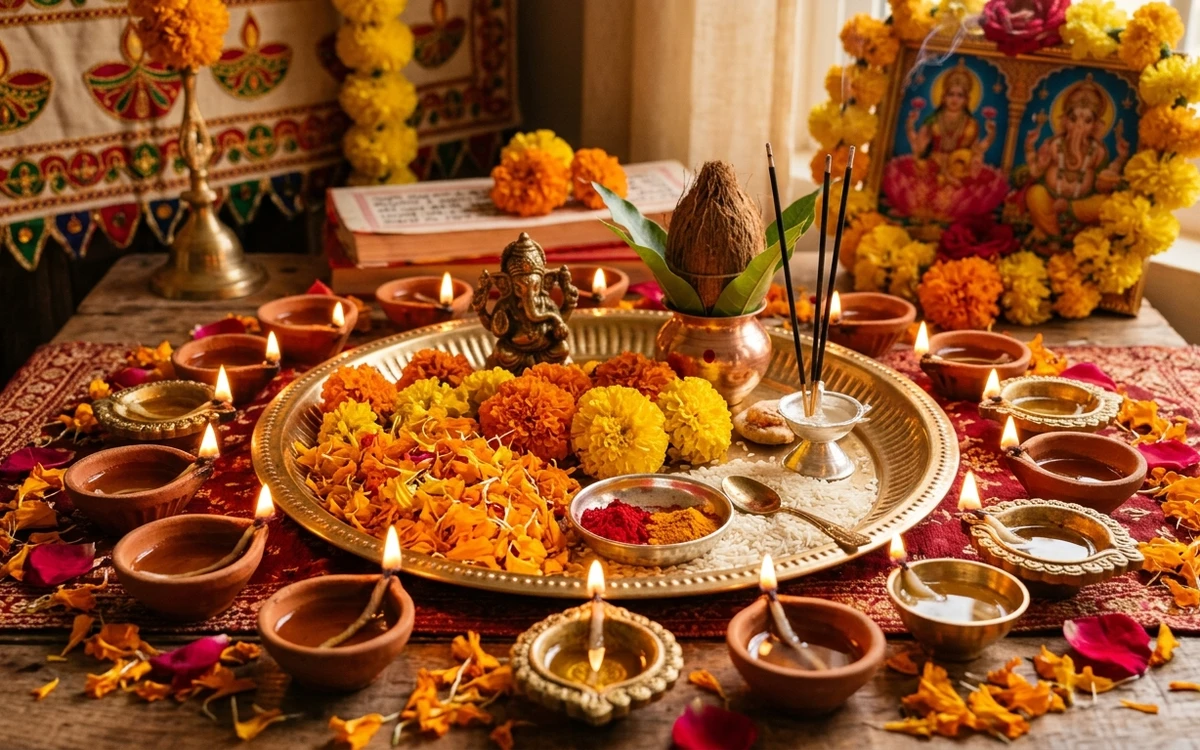
Naraka Chaturdashi arrives each year on the fourteenth lunar day of Krishna paksha in the month of Kartika. Celebrated widely as Choti Diwali, Roop Chaudas, and Kali Chaudas, this festival marks the second major day of the five-day Diwali festival period. In 2026, the Vedic Panchang places Naraka Chaturdashi on Sunday, November 8, under the Swati nakshatra. Following the authentic naraka chaturdashi puja vidhi helps families observe these sacred morning and evening rituals with devotion and clarity.
The festival honors the day Shri Krishna and Satyabhama vanquished the demon king Narakasura of Pragjyotishapura, liberating sixteen thousand captive maidens from distress. Devotees commemorate that deliverance by banishing darkness from the body, mind, and home. From the pre-dawn ritual oil bath known as Abhyanga Snan to the evening lighting of fourteen clay lamps, every custom carries deep spiritual meaning. Preparing your home altar in advance ensures that you can conduct each ceremony with peace and reverence.
Spiritual Significance of Naraka Chaturdashi
Ancient scriptures, including the Shrimad Bhagavatam, the Padma Purana, and the Skanda Purana, document the origin of this sacred celebration. Narakasura had terrorized the three worlds, seizing sacred treasures from the heavens and imprisoning innocent souls. At the request of the devas, Shri Krishna took his consort Satyabhama into battle. Together, they defeated Narakasura and restored dharma.
Before drawing his final breath, Narakasura asked for a boon: that whoever takes an oil bath before sunrise on this tithi should be freed from suffering and protected from negative karmic consequences. Shri Krishna granted this wish, declaring that this day would be observed with lights, jubilation, and sacred baths across every household. For this reason, taking a bath with sesame oil and fragrant herbs on Chaturdashi morning is regarded as equivalent to bathing in the holy Ganga.
In addition to honoring Krishna, tradition also associates this date with Roop Chaudas. Devotees cleanse their bodies using natural ubtan pastes to remove physical impurities and cultivate inner radiance. In several regions of western and eastern India, the day is also dedicated to Mata Kali, who destroys ignorance and shields devotees from spiritual obstacles.
Panchang Timings and Muhurat for 2026
Observing rituals during the prescribed tithi and muhurat windows aligns your worship with traditional Vedic discipline. Below are the verified panchang details for Naraka Chaturdashi on November 8, 2026.
| Panchang Element | Timing on November 8, 2026 |
| Date and Day | November 8, 2026 (Ravivara) |
| Chaturdashi Tithi Ends | 11:28 AM (followed by Amavasya) |
| Sunrise (New Delhi) | 06:37 AM |
| Sunset (New Delhi) | 05:31 PM |
| Nakshatra | Swati |
| Abhyanga Snan Window | Before Sunrise (05:15 AM to 06:37 AM) |
| Abhijit Muhurat | 11:42 AM to 12:26 PM |
| Morning Shubh Choghadiya | 09:21 AM to 12:04 PM (Labh and Amrit) |
| Evening Yama Deepdaan Window | 05:31 PM to 07:10 PM (Shubh Choghadiya) |
Because Chaturdashi tithi concludes at 11:28 AM on November 8, the sacred pre-dawn Abhyanga Snan must be completed before sunrise on this day. Evening celebrations transition seamlessly into Diwali festivities as Amavasya tithi commences before midday. Local sunrise and sunset times vary across Indian cities, so devotees should verify their local timings when planning early morning rites.
Essential Samagri for Naraka Chaturdashi Puja Vidhi
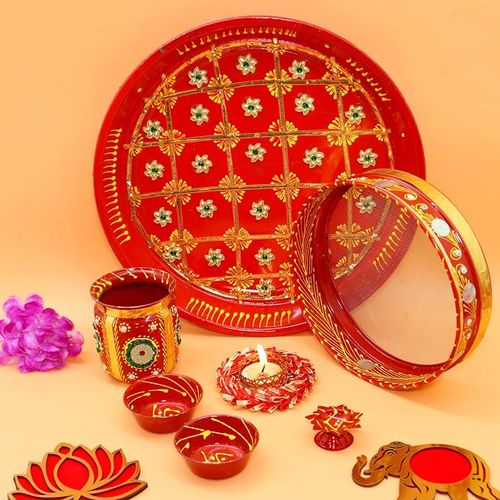
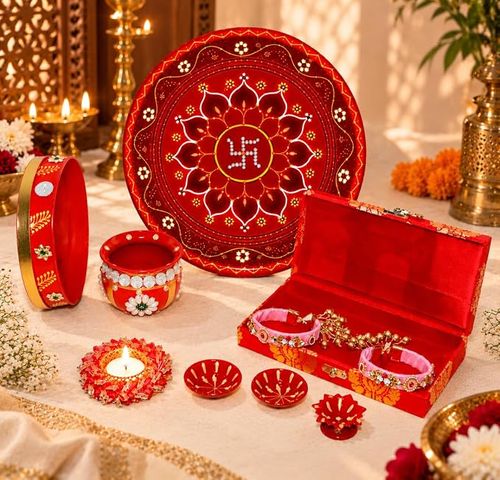
Gathering your ritual materials a day before Chaturdashi eliminates stress on the morning of worship. A well-organized puja room allows family members to focus entirely on prayer. Devotees often begin by arranging all sacred ingredients with a Complete Diwali Puja Samagri Kit, which provides the foundational items needed for both morning and evening ceremonies.
- Pure sesame oil (til ka tel) and aromatic herbal ubtan powder for the morning Abhyanga Snan.
- Fresh apamarga (chirchita) twigs or leaves for the ritual water purification.
- Ganga jal stored in a clean brass lota for consecration and sprinkling across the house.
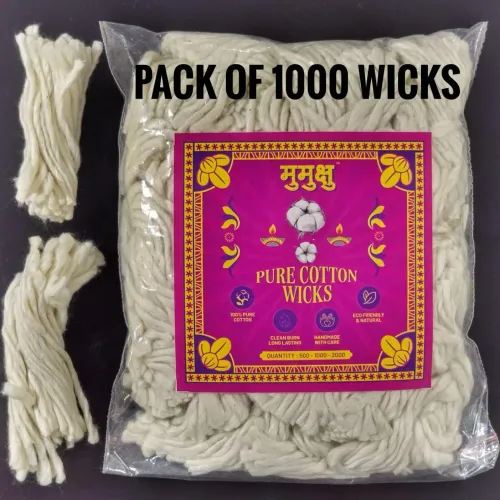
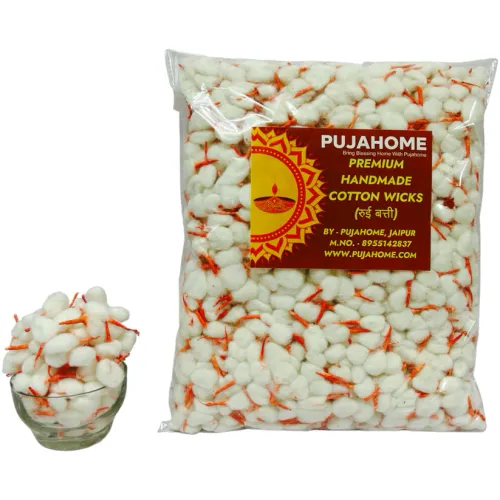
- Fourteen small earthen diyas (mitti ke deepak) and round cotton wicks for evening lighting.
- One large four-wick earthen lamp (chau-mukha diya) with pure mustard oil for Yama Deepdaan.
- Roli, chandan paste, turmeric powder, and unbroken raw akshat rice for deity tilak.
- Fresh orange and yellow marigold flowers, tulsi leaves, and seasonal offerings.
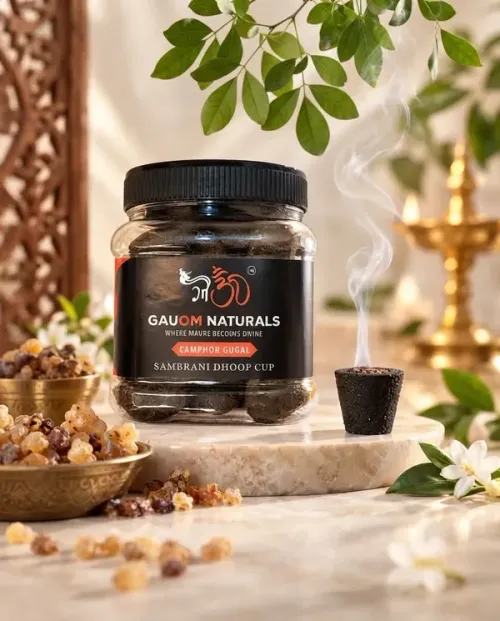
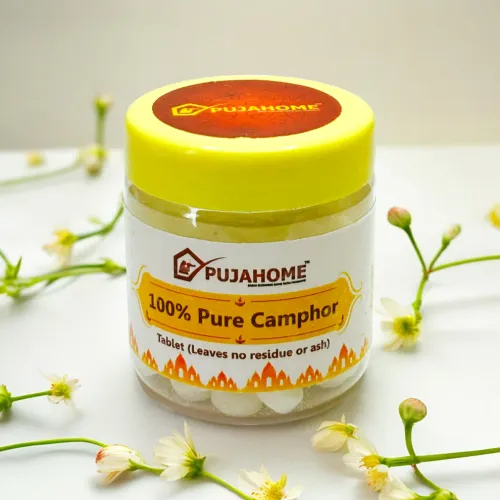
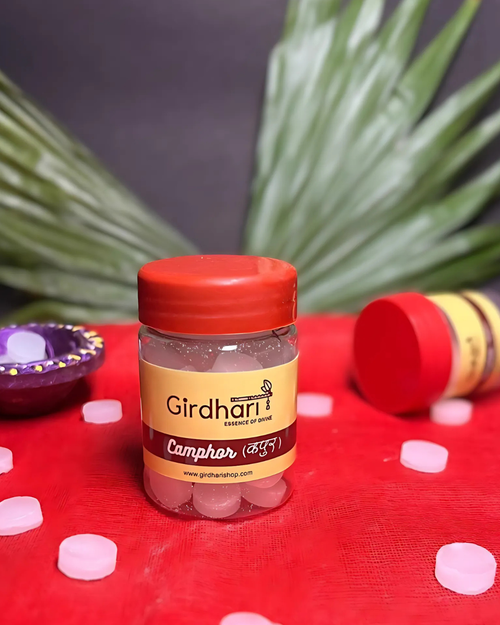
- Camphor tablets, dhoop batti, and pure cow ghee for daily mandir aarti.
- Naivedya offerings, including puffed rice (kheel), batasha, seasonal sweets, and fresh fruits.
If you are preparing home worship kits for extended family or replenishing your seasonal supplies, exploring curated selections of complete pooja kits helps verify that no traditional requirement is overlooked. To cleanse the atmosphere before lighting lamps, many devotees light fragrant sticks from the agarbatti collection, filling the home with calming herbal notes of sandalwood and rose.
Step-by-Step Naraka Chaturdashi Puja Vidhi for Home Worship
The rituals for Naraka Chaturdashi span two primary phases: the pre-dawn purification bath and the evening lamp offerings. Follow this step-by-step sequence to perform the complete vidhi at home.
Step 1: Early Morning Abhyanga Snan
Wake up during the Brahma muhurat, at least one hour before sunrise. Warm a small bowl of pure sesame oil. Gently massage the oil across the entire body, beginning from the head and moving downward to the feet. After the oil massage, apply a paste of herbal ubtan made from chickpea flour, turmeric, sandalwood, and rose water.
Take a clean twig of the apamarga plant and rotate it clockwise over your head three times while reciting prayers for liberation from fear and adversity. Then bathe with warm water into which a few drops of holy Ganga jal have been added. The Padma Purana teaches that performing this bath before dawn removes physical fatigue, purifies the subtle body, and grants long life.
Step 2: Morning Mandir Seva and Deity Worship
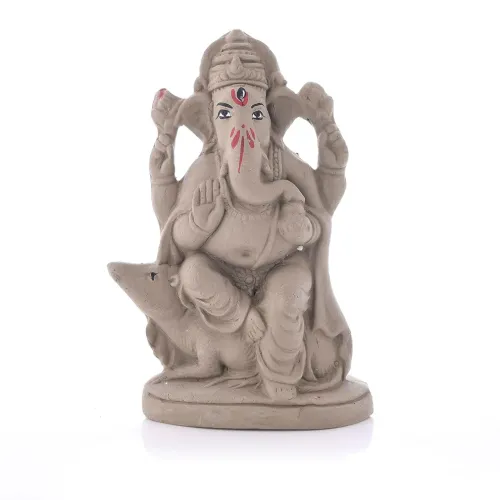
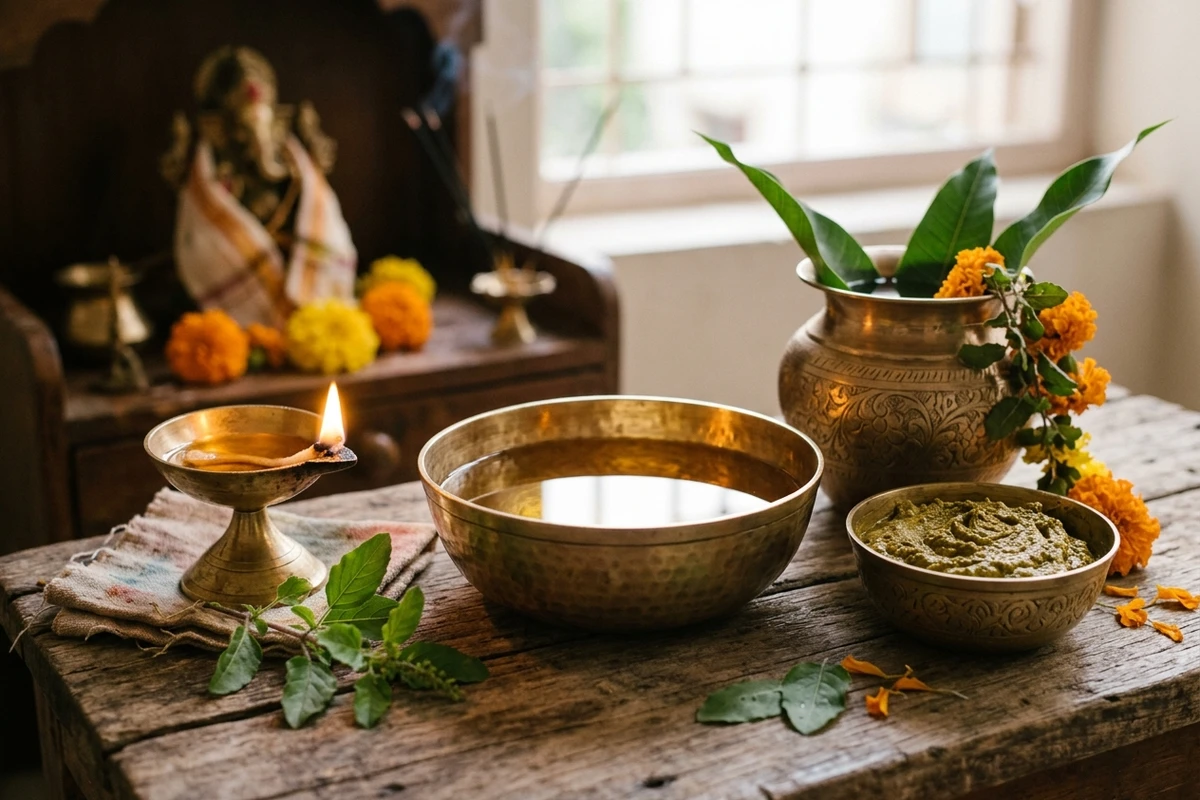
After bathing, wear fresh and clean traditional clothes. Clean your home altar and arrange clean brass lamps, such as the 6 Pc Brass Lotus Diya Oil Lamp Set, to illuminate the shrine with golden brass luster. Place murtis or images of Shri Krishna, Mata Lakshmi, and Lord Ganesha upon a clean red or yellow cloth.
Apply roli and unbroken akshat to the deities. Offer fresh marigold garlands, tulsi leaves to Krishna, and fragrant incense. Light a ghee lamp and chant the sacred mantra: Om Namo Bhagavate Vasudevaya. Offer seasonal sweets, kheel, and batasha as naivedya. Conclude the morning prayers by performing aarti with your family.
Step 3: Evening Yama Deepdaan (Lamp for the Lord of Justice)
At dusk, when the sun sets and twilight begins, the family performs Yama Deepdaan. Take a four-wick earthen lamp (chau-mukha diya) and fill it with mustard oil. Place four cotton wicks facing the four cardinal directions. Place a pinch of black sesame seeds inside the oil.
Light all four wicks and place the lamp just outside the main entrance of your home, positioning it toward the southern direction, which is overseen by Lord Yama. Offer flowers and water around the base of the lamp. Pray with folded hands to Lord Yama, asking for protection against untimely death (apamrityu) and seeking good health and protection for all household members. Once placed outside, family members do not gaze back at the lamp.
Step 4: Lighting the Fourteen Earthen Lamps (Chaudah Deepak)
Following the Yama lamp ritual, prepare fourteen earthen diyas filled with mustard oil or sesame oil. Devotees choose traditional clay lamps from the diya collection to place across critical points of the household. Place them near the tulsi plant, the home entrance, the water storage area, the kitchen, the courtyard, and the dark corners of the property. Lighting these fourteen lamps symbolizes dispelling negativity and welcoming auspicious energy into every corner of the home.
Regional Customs Across India
Naraka Chaturdashi is celebrated with distinctive cultural nuances across different states of India, reflecting the diversity of Sanatana Dharma traditions.
| Region | Local Name | Primary Ritual Custom |
| Maharashtra | Naraka Chaturdashi | Pre-dawn Abhyanga Snan with Utane powder, followed by Diwali Faral breakfast. |
| Gujarat | Kali Chaudas | Worship of Mahakali and protection rituals against malefic influences. |
| Tamil Nadu & Karnataka | Deepavali Snanam | Oil bath before sunrise, consumption of traditional Deepavali Lehyam tonic. |
| Bengal | Bhoot Chaturdashi | Lighting fourteen earthen lamps (Choddo Pradeep) and eating fourteen green herbs (Choddo Shaak). |
| North India | Choti Diwali / Roop Chaudas | Yama Deepdaan at twilight, lighting fourteen diyas, and body cleansing with ubtan. |
Despite these regional variations in nomenclature and dishes, the unifying core remains identical: rising before the sun, purifying the body, expressing gratitude for divine protection, and preparing the heart for the arrival of Lakshmi Puja on the following evening. You can discover festive home accents and decorative items across the Diwali festival collection to prepare your residence for these sacred gatherings.
Frequently Asked Questions About Naraka Chaturdashi
Why is Abhyanga Snan performed before sunrise on Naraka Chaturdashi?
Scriptures state that Lord Krishna completed his bath before dawn after defeating Narakasura. The Padma Purana notes that water on this morning holds the purity of Ganga water, and sesame oil carries the presence of Mata Lakshmi. Bathing before sunrise cleanses toxins, removes lethargy, and invites positive spiritual energy.
What is the significance of lighting fourteen diyas on Choti Diwali?
The fourteen diyas represent the fourteen planetary spheres and protect against the fourteen forms of distress described in Vedic lore. They also mark the fourteenth day (Chaturdashi) of the waning moon, driving away shadows before the new moon of Diwali night.
Can Lakshmi Puja be performed on Naraka Chaturdashi?
In 2026, Chaturdashi tithi concludes at 11:28 AM on November 8, after which Amavasya tithi begins. In many households, morning worship focuses on Krishna and Abhyanga Snan, while the evening pradosh period is dedicated to Diwali Lakshmi Puja because Amavasya prevails during the night.
Which direction should the Yama Diya face?
The Yama Diya should face the southern direction, which is overseen by Lord Yama. It is placed outside the main threshold of the residence after sunset with mustard oil.