


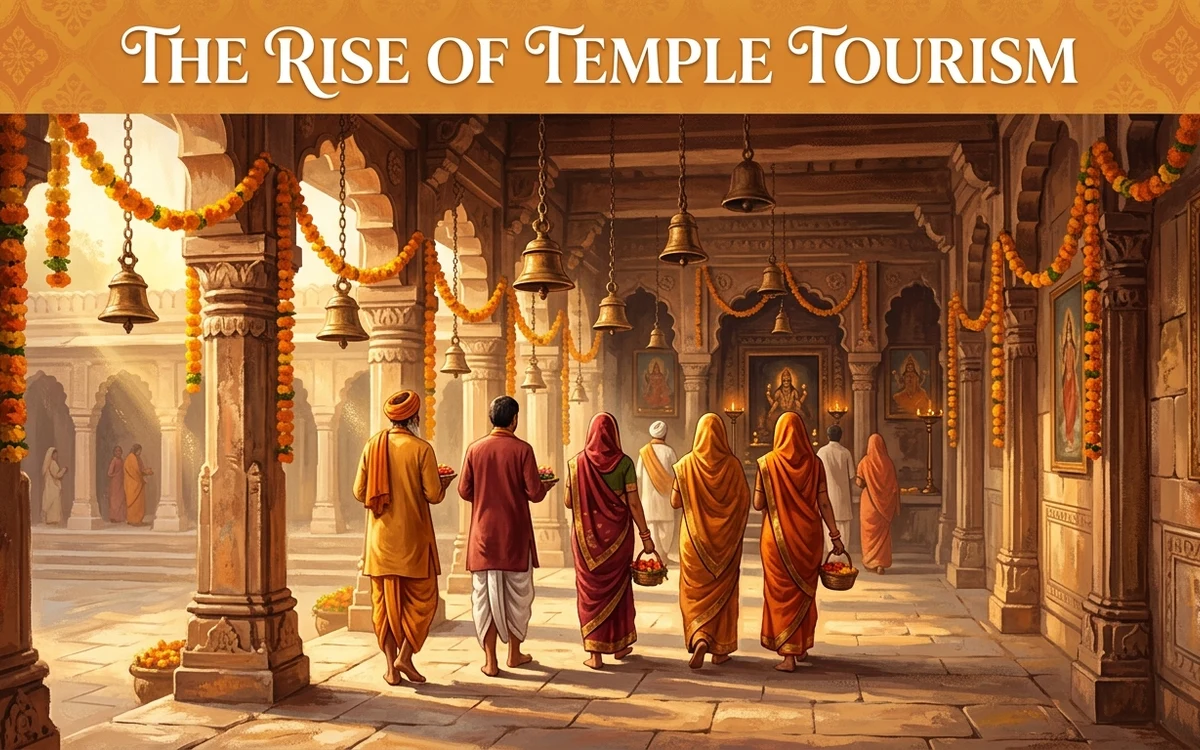
Millions of travelers across India are redirecting their journeys away from conventional holiday spots toward sacred temple corridors. From Kedarnath high in the snow-capped Himalayas to Rameswaram along southern ocean shores, sacred pilgrimages are experiencing an unprecedented cultural revival.
Modern life moves at relentless speed, saturated with digital noise, demanding work schedules, and endless notifications. In contrast, stepping into an ancient temple town demands that you slow down. Pilgrims walk barefoot on sun-warmed stone flags, inhale natural incense, and listen to resonant temple bells that quiet the restless mind.
A Generational Shift Toward Purposeful Travel
Spiritual travel is no longer reserved for post-retirement years. Young professionals, college students, and young families are leading the surge in temple visits. They seek mindful travel experiences that provide emotional grounding alongside architectural wonder.
Modern travelers recognize that standard leisure trips often leave them physically exhausted. Temple yatra offers intentional stillness. Waiting in a peaceful darshan queue teaches patience. Sitting quietly in a temple courtyard after morning aarti restores mental clarity.
The Living Geography of Indian Yatra
India’s sacred geography has always functioned as a cultural network. The Char Dham routes, twelve Jyotirlingas, and fifty-one Shakti Peethas connected distant regional communities long before modern transport networks existed.
Temples served as community hubs supporting local artisans, traditional sculptors, and classical musicians. Even today, visiting a holy kshetra sustains rural livelihoods, preserving hereditary crafts, weaving traditions, and ritual knowledge.
Regional Diversity Across Pilgrimage Paths
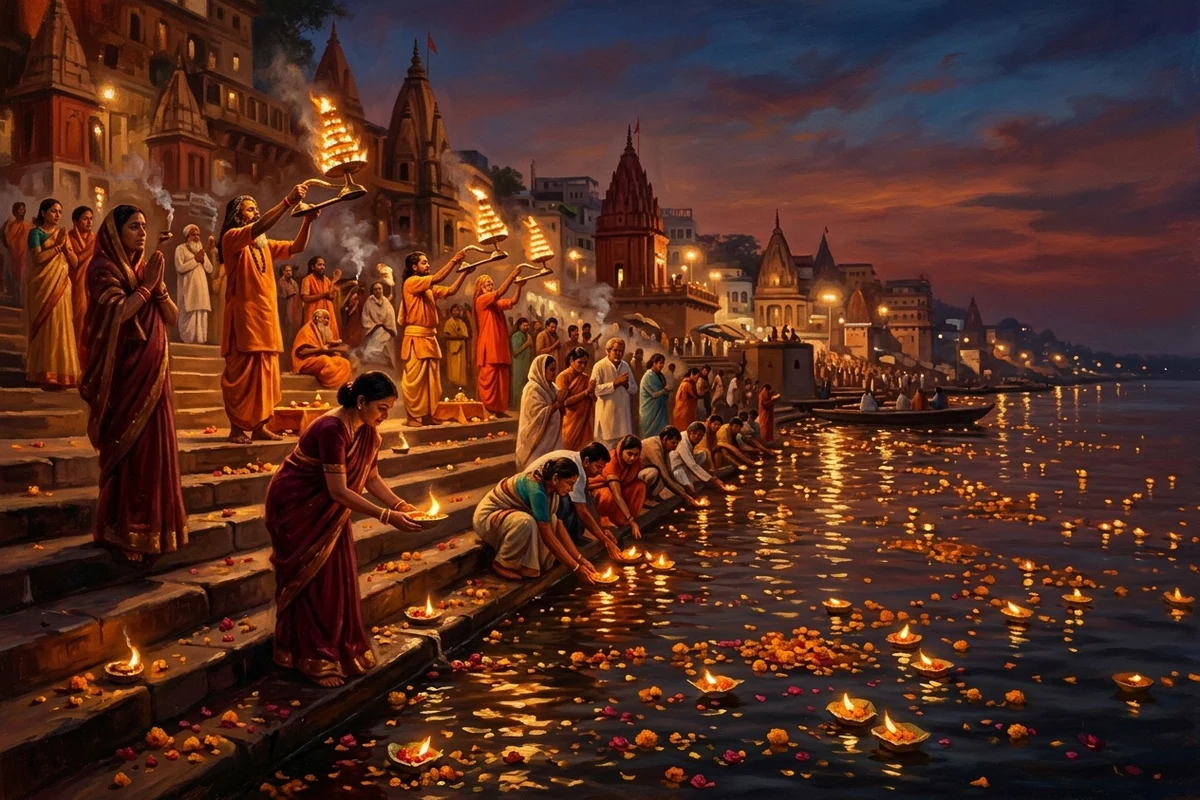
India’s pilgrimage traditions reflect incredible regional diversity. In the northern Himalayan shrines, devotees brave steep alpine trails to seek Lord Shiva amid snow and silence. In the temple towns of Tamil Nadu and Kerala, massive stone gopurams and sacred temple tanks echo with Vedic chants and percussion.
Along the eastern shores of Odisha, the sacred town of Puri celebrates Mahaprasad and Rath Yatra with joyful community devotion. Each region preserves unique architectural styles, temple cuisine, and ritual traditions, giving every spiritual journey its distinct character.
Bringing the Sacred Energy Home
A true pilgrimage does not terminate when you board the return train. Devotees carry the stillness of the mandir back to their living spaces through everyday ritual practice.
Lighting an auspicious lamp at dusk helps recreate the serene ambiance of the temple sanctum. Devotees often light a dedicated brass diya to anchor daily prayer, welcoming warmth and focus into the home.
Keeping a dedicated altar set sustains daily worship rituals. A complete Om engraved puja thali set provides a clean, disciplined arrangement for camphor, incense, and fresh flower offerings.
Preparing lamps with dependable, clean-burning wicks simplifies morning and evening worship. Using pre-formed ghee diya wicks ensures steady, smokeless illumination during meditation sessions.
For special ritual days and sacred observances, many families prefer traditional pure cow ghee diya wicks, which produce an authentic sattvic flame and gentle fragrance.
Aromatic resins and temple scents further reinforce this contemplative environment. Exploring traditional fragrances from curated incense sticks cleanses the room atmosphere, recalling the sacred air of temple corridors.
Equipping your altar with quality items from pooja essentials turns every morning prayer into a personal mini-pilgrimage, anchoring your family in peaceful devotion.
Essential Etiquette for Modern Pilgrims
- Dress modestly in clean, traditional attire suitable for local temple customs.
- Silence mobile phones completely before entering the inner parikrama and sanctum.
- Respect photography prohibitions inside sacred chambers to preserve sanctity.
- Support local temple vendors and traditional craftspeople when purchasing prasad and ritual items.
The Enduring Value of Sacred Travel
Temple tourism flourishes because human beings inherently seek meaning, peace, and spiritual connection. By stepping onto pilgrimage paths with humility and mindfulness, you honor an ancient tradition that renews both mind and spirit.