
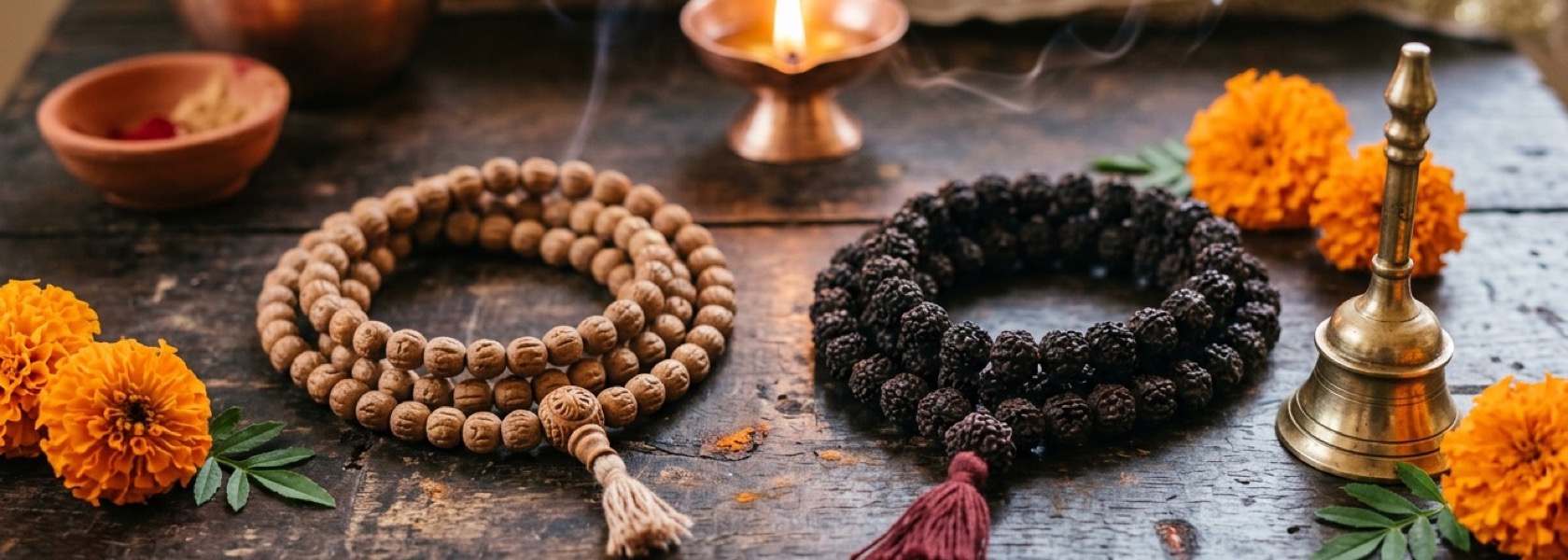
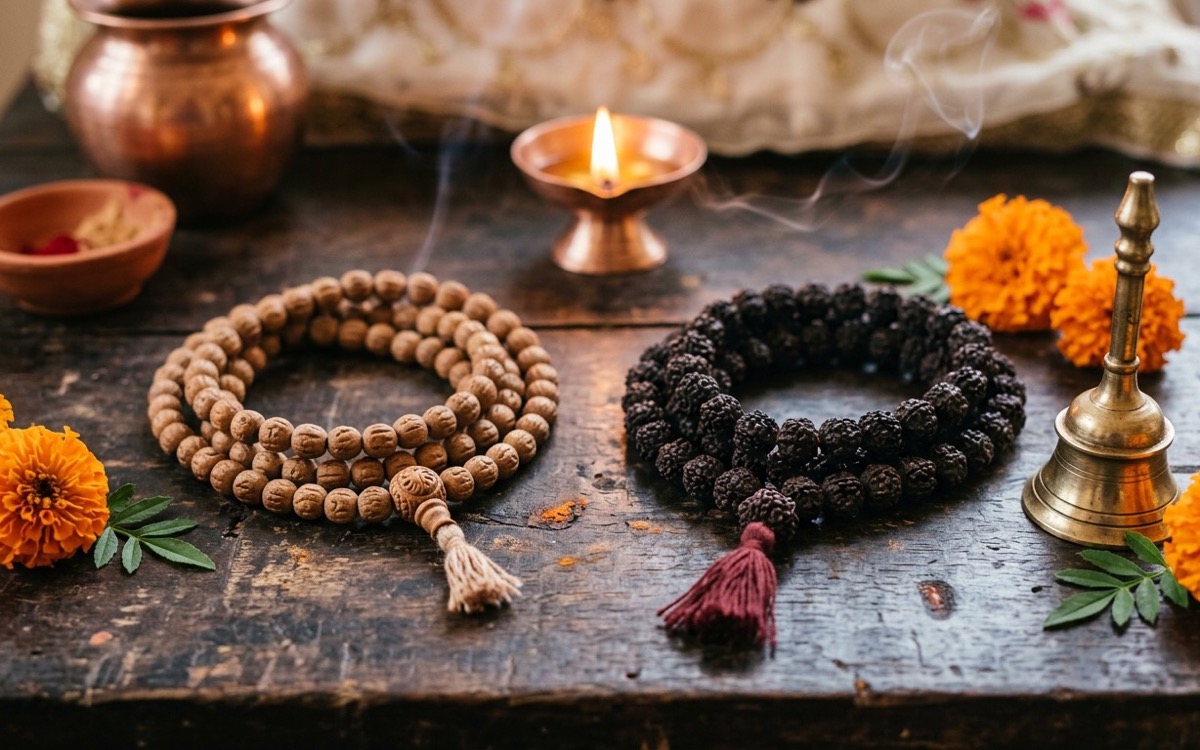
Step into any Hindu household or sacred temple sanctum, and you will encounter two revered prayer strands: Tulsi Mala and Rudraksha Mala. Both have guided devotees through silent japa meditation and sacred worship for thousands of years.
Devotees often wonder which mala best matches their spiritual path. In Sanatan Dharma, these sacred strands do not compete. Each represents a distinct spiritual tradition, carrying unique symbolic associations, tactile qualities, and meditative focus across authentic devotional wearables.
Tulsi Mala: The Path of Loving Devotion
Tulsi, or Holy Basil, holds a revered station in Vaishnava traditions. Regarded as an earthly manifestation of Vrinda Devi, Tulsi is inseparable from devotion to Lord Vishnu, Lord Rama, and Lord Krishna.
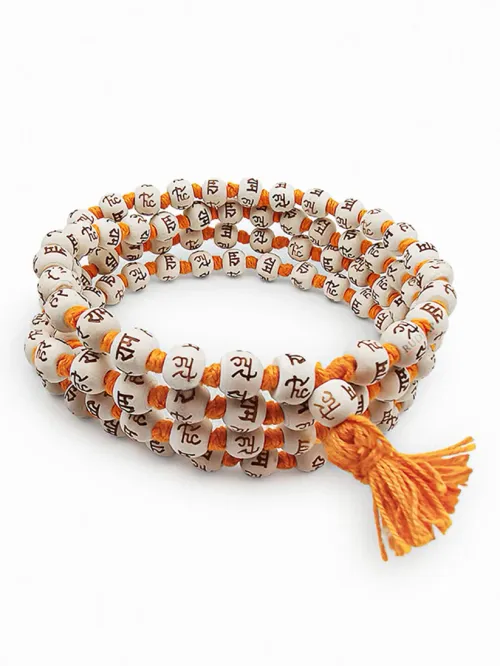
Devotees carve Tulsi beads from the aged wood of sacred basil shrubs that have completed their natural life cycle. The beads are smooth, lightweight, and gentle to the touch, carrying a subtle natural scent. Holding an authentic pure Tulsi jap mala encourages emotional warmth, humility, and quiet surrender during japa of the Mahamantra or the sacred Ashtakshara mantra.
In daily Vaishnava practice, wearing a smaller kanthi mala around the neck symbolizes refuge at the feet of the divine, fostering a constant awareness of sacred surrender and pure conduct.
Rudraksha Mala: The Path of Discipline and Stillness
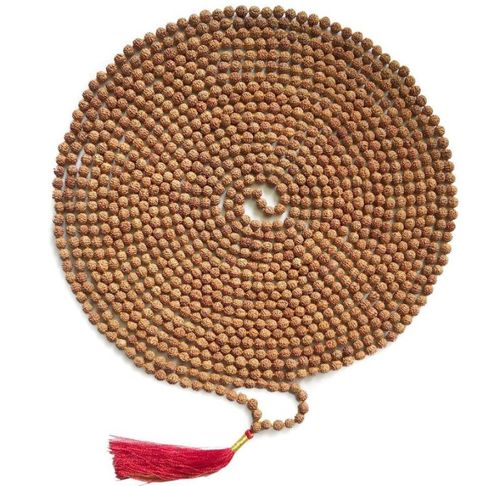
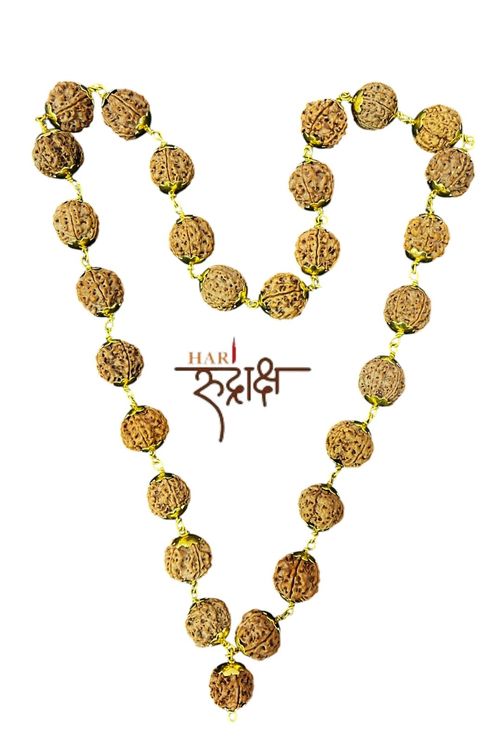
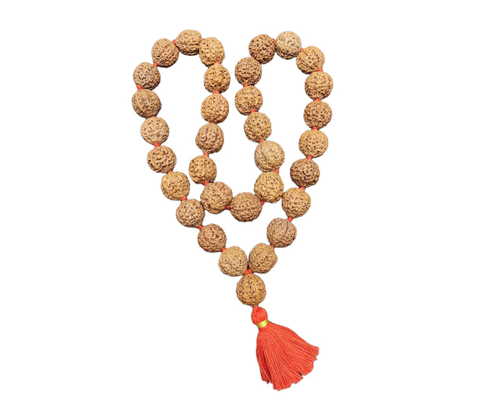
In Shaivite and Tantric traditions, the sacred Rudraksha seed embodies intense tapasya, inward contemplation, and meditative stillness. Sacred scriptures recount that Rudraksha seeds sprouted from the compassionate tears of Lord Shiva as he contemplated the suffering of living beings.
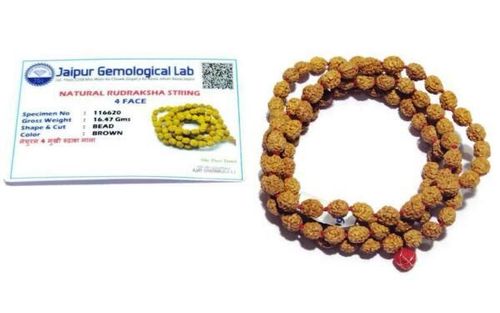
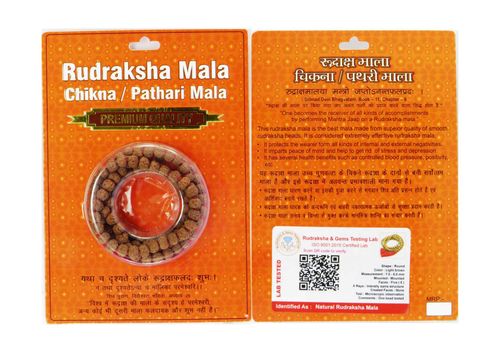
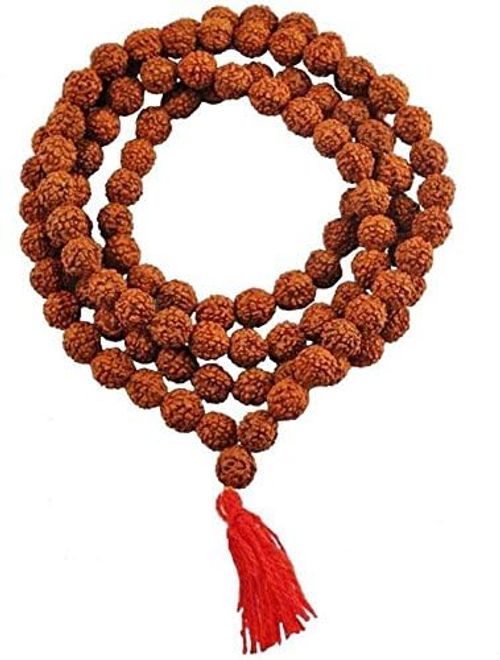
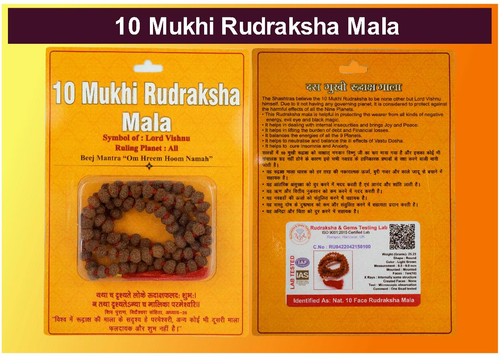
These naturally fluted seeds from the Elaeocarpus ganitrus tree have pronounced grooves called mukhis. Seeking an authentic original Rudraksha mala provides seekers with an earthy, tactile grip that anchors deep concentration during prolonged seated meditation.
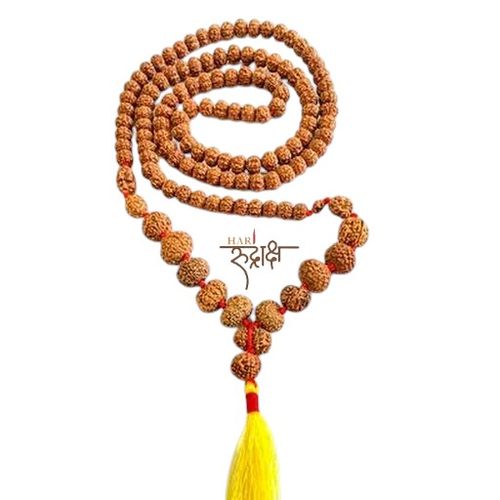
Devotees seeking comfortable daily neckwear often prefer lighter bead sizes. A finely crafted 5 Mukhi Rudraksha mala 5-6 mm rests lightly beneath everyday clothing while maintaining a steady physical connection to sacred discipline.
Key Differences at a Glance
| Feature | Tulsi Mala | Rudraksha Mala |
| Primary Deity | Lord Vishnu and Lord Krishna | Lord Shiva |
| Source Material | Aged sacred Tulsi wood | Natural Elaeocarpus ganitrus seeds |
| Primary Tradition | Vaishnavism | Shaivism and Yoga |
| Spiritual Quality | Humility, affection, surrender | Focus, discipline, stillness |
| Chanting Mantras | Hare Krishna, Om Namo Bhagavate | Om Namah Shivaya, Maha Mrityunjaya |
The Cosmic Geometry of 108 Beads
Both traditions construct prayer malas with precisely 108 counting beads plus one central sumeru or guru bead. In classical Vedic astronomy and sacred geometry, 108 represents cosmic completeness, connecting the twelve solar constellations with the nine planetary forces.
When performing japa, devotees count forward from the sumeru bead. Upon reaching the end of the round, tradition instructs the practitioner never to cross the sumeru bead. Instead, reverse direction to begin the next cycle with humility and awareness.
Harmonious Combinations and Variations
Spiritual traditions recognize that devotion and discipline naturally reinforce each other. Many practitioners combine the grounding energy of Shiva beads with clarifying mineral beads. A balanced Rudraksha Sphatik mala alternates textured brown seeds with clear quartz crystal, creating a serene balance between warmth and cooling clarity.
For dedicated japa rooms and ceremonial altars, devotees frequently select a classical 5 Mukhi Rudraksha kantha mala with 108 plus 1 sumeru beads, following time-honored Vedic numerology.
Sacred Rules and Daily Maintenance
- Dedicate one specific mala exclusively for japa meditation and store it inside a clean cotton gomukhi bag.
- Do not let prayer beads touch the floor or unclean surfaces during practice.
- Clean natural wooden beads and seeds gently with a dry cotton cloth, occasionally conditioning Rudraksha beads with pure mustard or sandalwood oil.
- Remove wristwear and neckwear before entering cremation grounds or unhygienic environments according to traditional shastra guidelines.
Choosing with Sincere Intention
The choice between Tulsi and Rudraksha depends entirely upon your personal ishta devata and spiritual aspiration. Whether you walk the path of loving Vaishnava devotion or silent Shaivite contemplation, each bead serves as a constant companion guiding your mind toward divine remembrance.