
For decades, the global jewellery market operated under a single dominant premise: value derived from outward perception, brand prestige, and conspicuous expense. Prominent luxury labels built immense empires on high-gloss marketing campaigns, convincing buyers that precious metals and gemstones existed primarily to signal status and exclusivity. However, a profound cultural recalibration is sweeping across the lifestyle landscape. Modern consumers, spiritual seekers, and conscious professionals are deliberately stepping away from transient designer logos to embrace adornments anchored in spiritual grounding, cultural heritage, and personal significance.
The Traditional Vedic Philosophy of Sacred Adornments
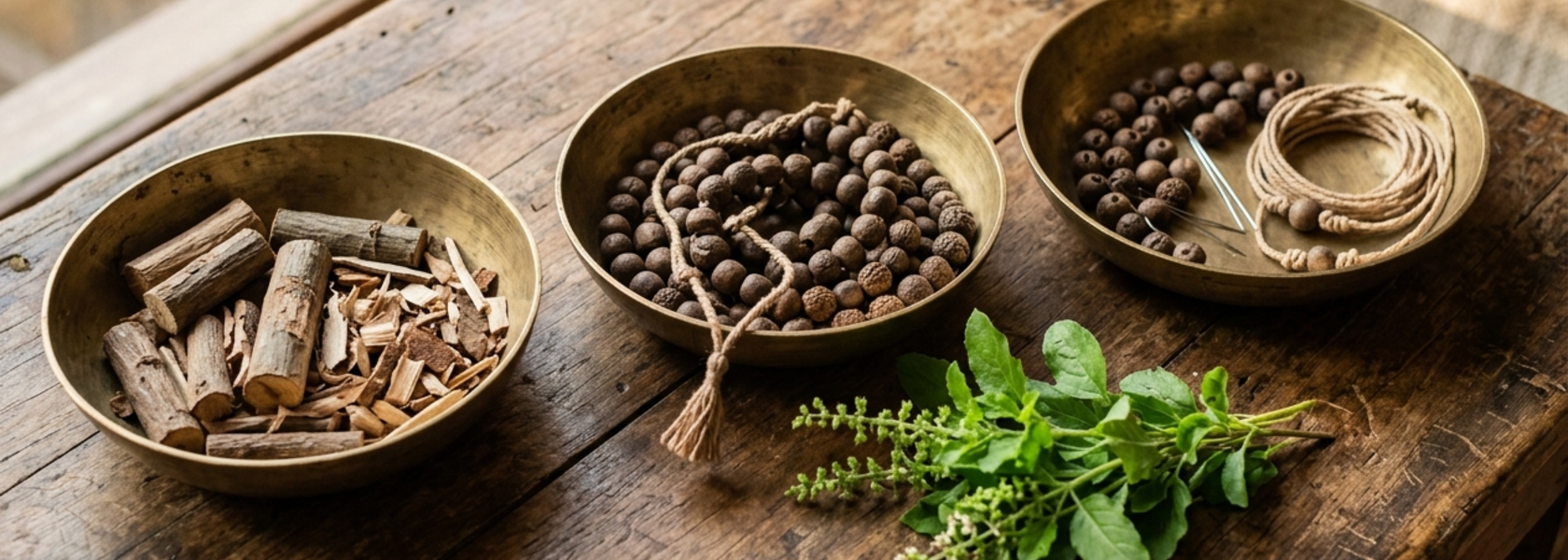
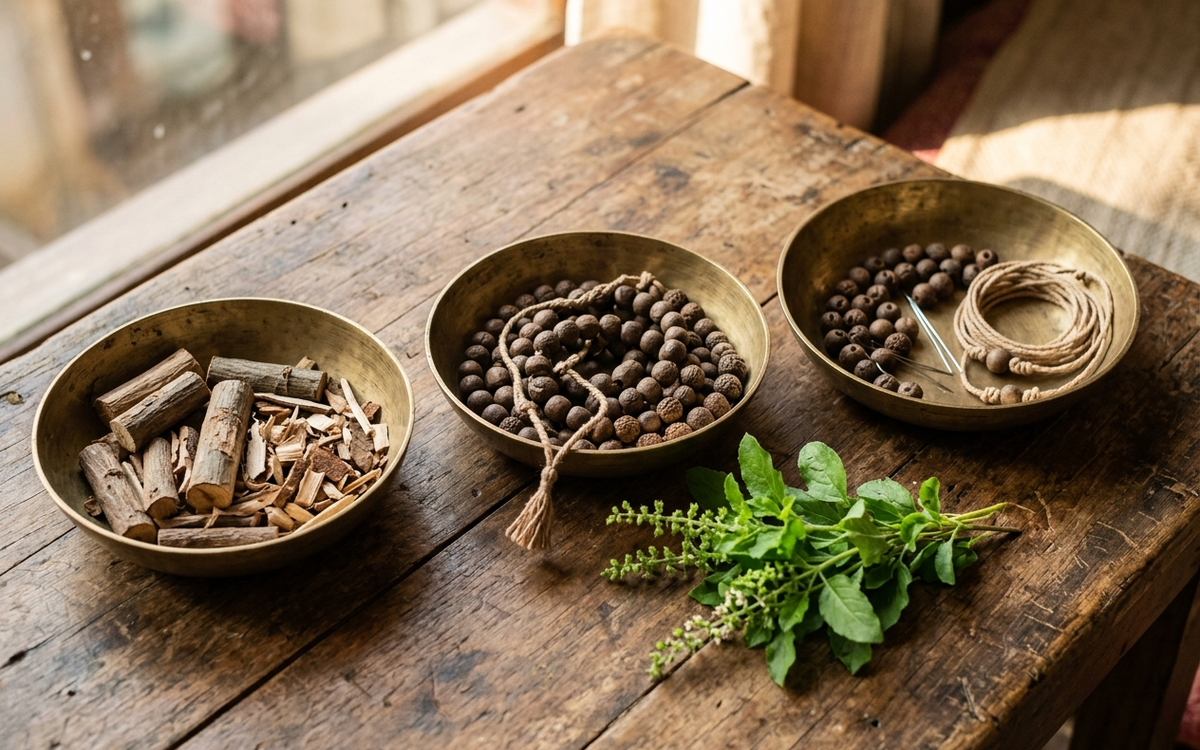
In Indian sacred traditions, jewellery was never conceived merely as visual decoration or worldly vanity. Ancient classical texts and spiritual lineages recognized adornments as vital metaphysical instruments. Sacred woods, sanctified seeds, and cooling mineral crystals were chosen for their intrinsic energetic resonance, serving as tangible conduits between personal contemplation and divine consciousness. Rather than projecting wealth outwardly toward spectators, traditional sacred wearables functioned as inward sanctuaries, continuously drawing the wearer back to inner stillness, dharma, and moral awareness.
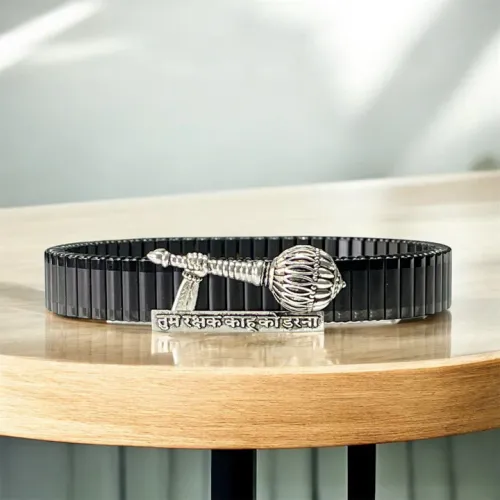
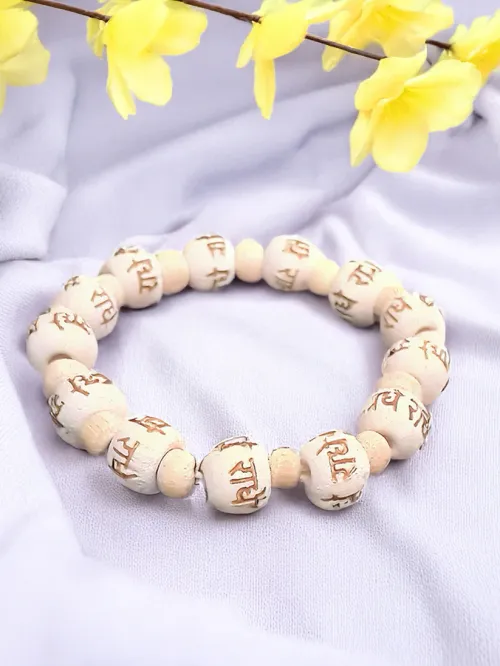
Among the most revered organic materials, sacred botanicals like holy basil play an irreplaceable role. Wearing an authentic Tulsi kanthi mala with Hanuman ji locket connects the wearer to centuries of Bhakti surrender, imparting gentle spiritual protection, peace of mind, and a steady devotional sanctuary throughout everyday challenges.
Why Conspicuous Luxury Labels Are Losing Their Emotional Grip
The rapid acceleration of digital life has brought unprecedented sensory overload, commercial fatigue, and chronic mental fragmentation. In this hyper-connected environment, high-end commercial jewellery often feels emotionally hollow. A factory-manufactured designer piece produced by a multinational conglomerate may offer polished metal, but it rarely possesses a soul. It carries no transformative blessing, no generational lineage, and no contemplative anchor.
When the initial novelty of a luxury brand purchase fades, the wearer is left with an inert asset that demands delicate safeguarding rather than active daily partnership. In contrast, spiritual wearables are designed to be touched, held during quiet meditation, and worn continuously through work, prayer, and travel. Their aesthetic patina deepens with time, absorbing the quiet cadence of the devotee's life.
| Key Dimension | Commercial Luxury Labels | Meaningful Spiritual Jewellery |
| Core Purpose | External social validation and brand signaling | Inward mindfulness, devotional alignment, and grounding |
| Material Lineage | Industrial mass production and standardized alloys | Sacred organic seeds, natural minerals, and sanctified woods |
| Emotional Longevity | Depreciates as seasons and commercial trends change | Grows deeper in personal value through daily wear and japa |
| Wearer Relationship | Fragile, performative, and reserved for occasions | Resilient, intimate, and integrated into everyday routine |
The Modern Revival of Mindful Spiritual Wearables
Devotees, young professionals, and creative leaders are discovering that ancient Vedic botanicals fit naturally into modern minimalist attire. Today's seekers do not wear sacred beads as an ostentatious ritual display, but as an understated personal commitment to inner equilibrium. Exploring curated collections of spiritual wearables reveals how classical talismans harmonize with contemporary daily wardrobes without compromising sacred integrity.
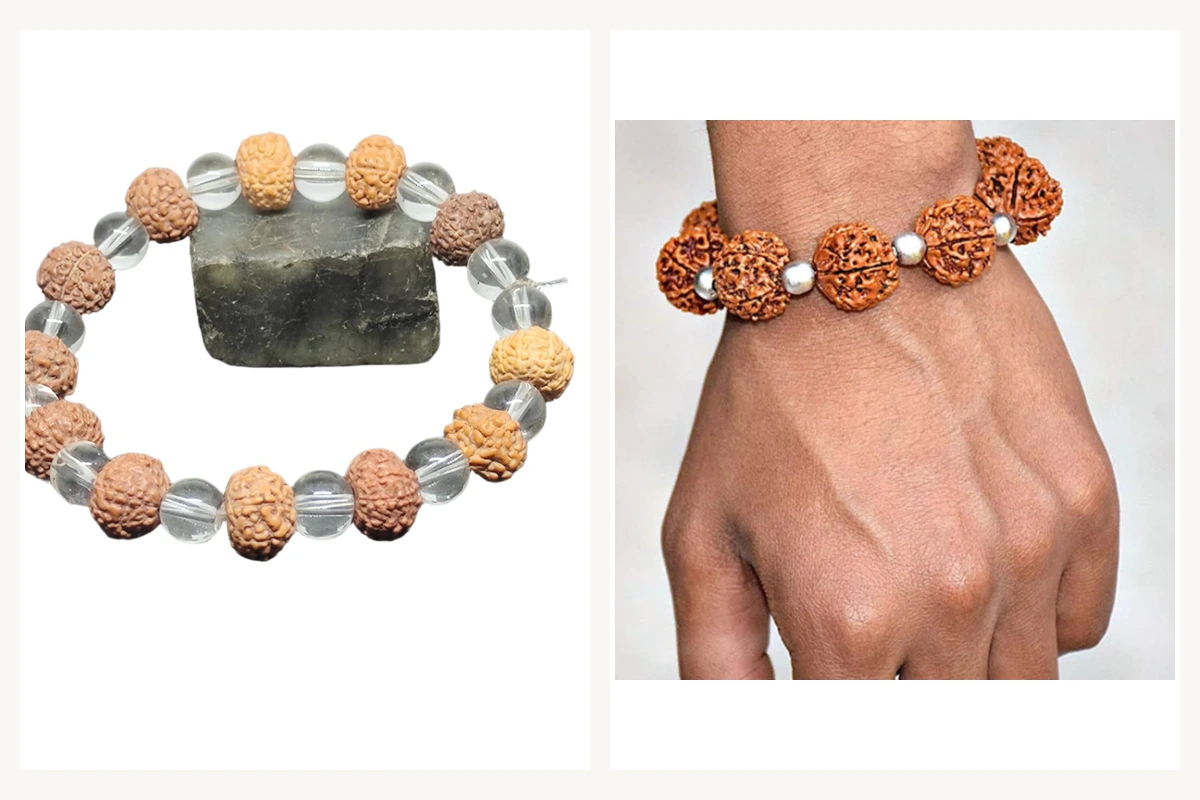
Sacred Stones and Seeds: Balancing Ancient Energies on the Wrist
One of the most compelling aspects of meaningful jewellery is the deliberate synergy between complementary natural elements. In yogic philosophy, combining grounding organic seeds with purifying quartz stones creates a balanced energetic circuit around key pulse points.
Wearing a handcrafted Rudraksha Sphatik bracelet pairs the tranquil, bioelectric steadiness of natural Shiva seeds with the clarifying, cooling luminance of pure rock crystal. Devotees working in fast-paced corporate environments find this balanced combination invaluable for sustaining emotional poise during intense negotiations and demanding deadlines.
Similarly, incorporating traditional alchemical metals provides deep physical and mental grounding. Devotees seeking enhanced mental clarity frequently choose a charming 5 Mukhi Rudraksha Parad beads bracelet, harnessing purified solidified mercury beads alongside sanctified Mukhi seeds to foster mental tranquility and emotional resilience.
Contemporary Craftsmanship: Elegance Meets Sanctification
Modern devotees no longer need to choose between refined aesthetics and sacred symbolism. Artisanal jewelers are skillfully bridging classical Vedic craft with architectural elegance, creating durable designs suitable for executive boardrooms, international travel, and formal galas.
For example, wearing a meticulously finished gold-plated modern Rudraksha bracelet provides an exquisite, polished gold appearance while ensuring that genuine sanctified beads remain directly against the skin to preserve their tactile connection and subtle energetic influence.
Four Pillars of the Meaningful Jewellery Movement
When assessing why conscious individuals are turning toward spiritual adornments in record numbers, several clear psychological and lifestyle motives emerge:
- Continuous tactile grounding during moments of cognitive fatigue and daily tension
- An authentic expression of cultural heritage, personal intention, and spiritual self-definition
- Harmonious integration of sacred Vedic sanctification into contemporary executive attire
- A conscious rejection of disposable seasonal trends in favor of timeless heirloom meaning
How to Integrate Meaningful Jewellery Into Your Daily Life
Transitioning from conventional fashion accessories to meaningful spiritual adornments requires intentional awareness rather than rigid dogma. Start by identifying the personal intention you wish to cultivate, whether that is peaceful mental clarity, emotional courage, or deeper devotional remembrance. Devotees seeking versatile everyday designs can explore our extensive variety of handcrafted devotional bracelets, choosing pieces tailored to their astrological requirements or aesthetic preferences.
Treat your spiritual jewellery with reverence. Clean organic beads gently with natural oils, store sacred pieces in clean silk pouches when resting, and touch them mindfully as reminders of stillness throughout your day. Ultimately, meaningful jewellery proves that true elegance is never defined by a luxury brand price tag, but by the peace, devotion, and sacred intention carried quietly in the heart.