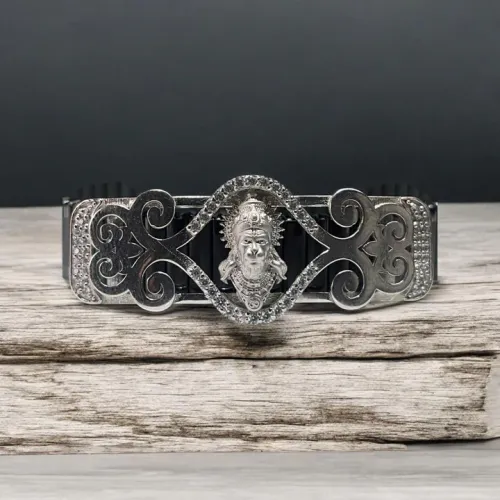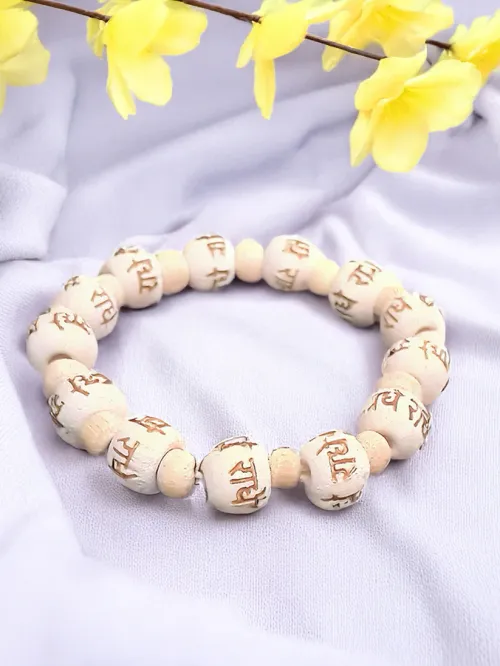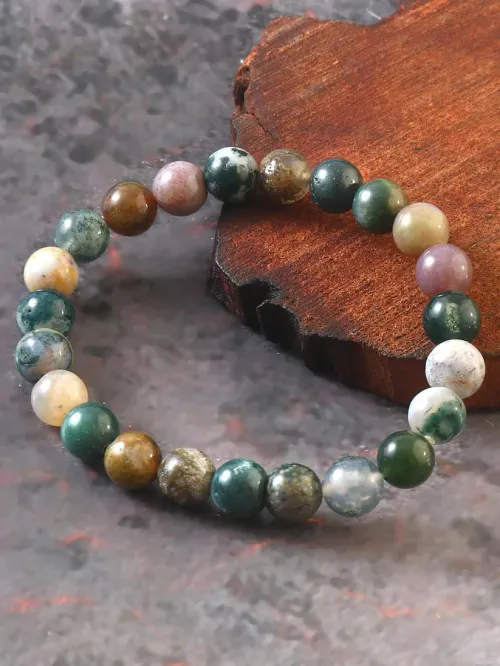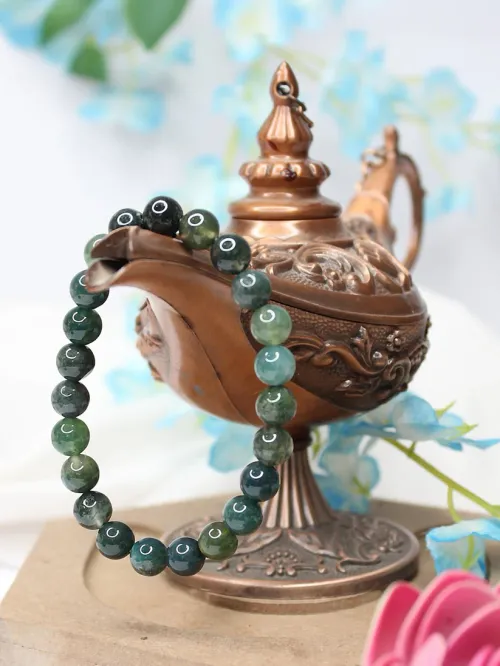

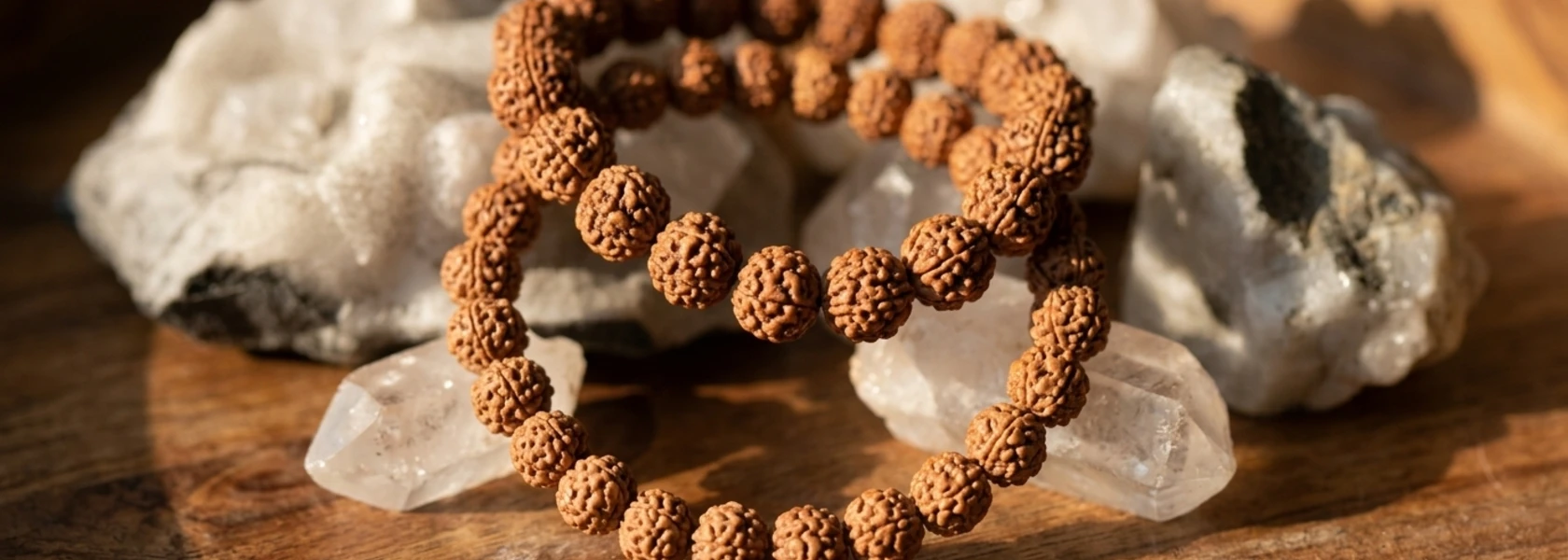
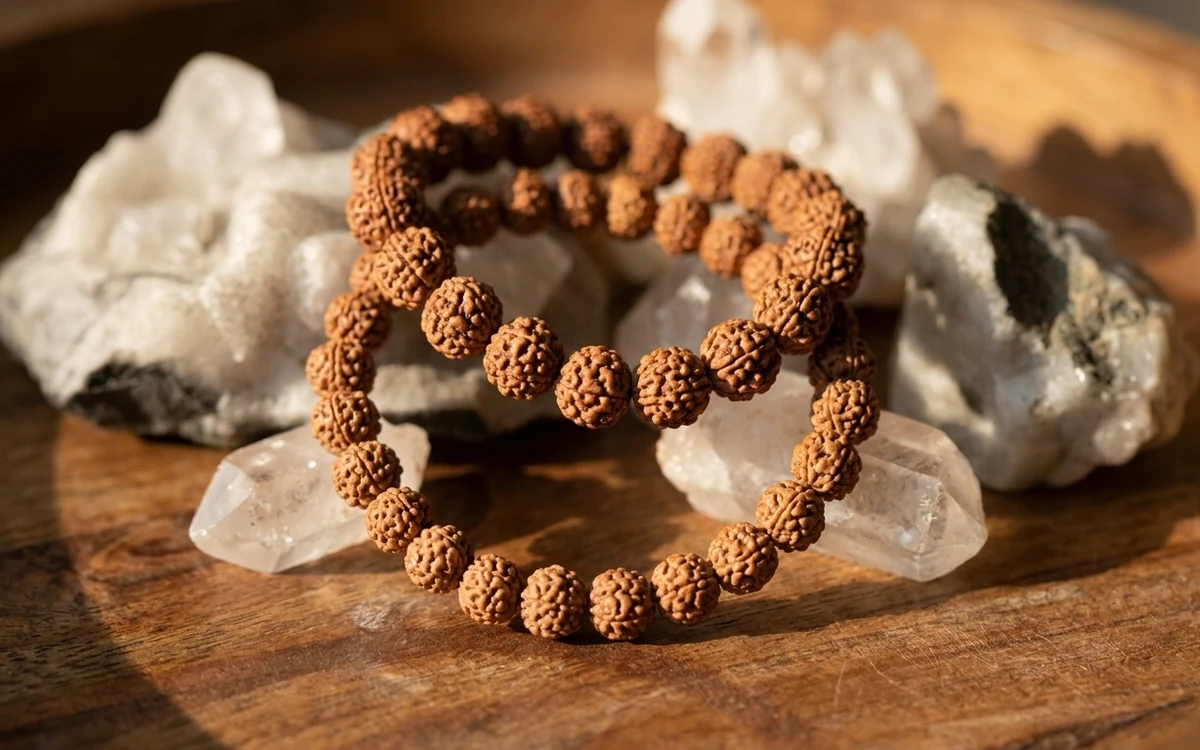
Walk through any modern workspace, college library, or quiet transit terminal today, and you will notice a distinct botanical bead resting on wrists and collars. Students wear single-strand wristlets during demanding examinations. Software engineers and executives pause during intense project cycles to touch textured wooden malas. This widespread adoption extends far past formal temple boundaries. People choose authentic Rudraksha beads not out of rigid ritual obligation, but because the natural seed functions as a practical anchor for mental composure, emotional balance, and personal discipline in high-pressure environments.
Botanical Identity and Physical Composition
Beneath centuries of cultural reverence lies an intriguing botanical specimen. True Rudraksha beads are the hardened stones harvested from the fruit of the Elaeocarpus ganitrus tree, a broad-leaved evergreen native to the Himalayan foothills, Nepal, and parts of Southeast Asia. When fresh on the branch, the outer fruit presents an intense indigo color, which led early botanists to designate it as the blue marble tree. Once workers harvest and clean the fruit, they uncover an exceptionally hard, lignified inner stone divided by distinct vertical furrows known traditionally as mukhis.
Microscopic analysis of the seed structure reveals dense cellular wood composed primarily of cellulose, lignin, and minute trace elements. The surface exhibits a labyrinth of natural fissures that resist mechanical compression. Devotees and modern professionals who select an authentic five-faced Rudraksha bracelet value this raw botanical durability, allowing the natural seed to endure years of continuous contact with skin, clothing, and daily desk work.
Tactile Grounding and Somatic Focus in Daily Life
Modern lifestyle medicine highlights the benefit of tactile grounding tools to counteract sensory fatigue. When daily tasks overwhelm your cognitive focus, having a tangible physical object within reach interrupts repetitive mental loops. The irregular contours of the dried seed provide continuous sensory feedback to the fingertips. Moving your fingers along the grooved ridges stimulates localized nerve receptors on the palm and wrist, prompting an immediate sensory reset that pulls scattered thoughts back to physical presence.
Wearing sacred stones directly against pulse points also introduces distinct material dynamics. Natural Elaeocarpus stones possess measurable dielectric resistance, which helps dissipate minor static surface charges generated by synthetic office fabrics and electronic monitors. Many seekers combine this earthy warmth with the cooling clarity of natural quartz by wearing a Rudraksha Sphatik bracelet, balancing organic plant seed textures with polished crystal beads.
Selecting Mukhis and Combinations for Personal Balance
Traditional classification systems identify Rudraksha beads by the number of natural lines extending from apex to base. Different facet numbers align with distinct personal intentions and lifestyle demands:
- Five Mukhi: The most abundant and universally worn bead, suitable for daily study, physical stamina, and general clarity across all age groups.
- Eight Mukhi: Revered as a support for perseverance and removing hurdles in complex undertakings, an eight-faced Nepali Rudraksha aids practitioners pursuing ambitious intellectual projects.
- Parad and Rudraksha Combinations: Pairing natural seeds with purified solidified mercury beads in a Rudraksha and Parad bead bracelet introduces solid metallic weight for focused meditative sessions.
Devotees seeking personalized designs can review our full range of sacred devotional bracelets, curated for verified seed authenticity and sturdy thread construction.
Conditioning and Maintenance for Botanical Wearables
Because authentic Rudraksha beads are natural plant stones, proper maintenance maintains their structural strength and prevents cracking over time. Follow these direct maintenance steps:
- Initial Cleansing: Soak newly acquired beads in clean water for twenty minutes, brush out any dust from the grooves using a soft bristle brush, and let them dry on a cloth in natural shade.
- Periodic Oiling: Apply a drop of pure sandalwood, sesame, or almond oil across the bead surface every two months to keep the natural wood fibers supple.
- Protection from Harsh Detergents: Remove bracelets before bathing with synthetic soaps or swimming in chlorinated pools, as chemical detergents leach natural oils from the wood.
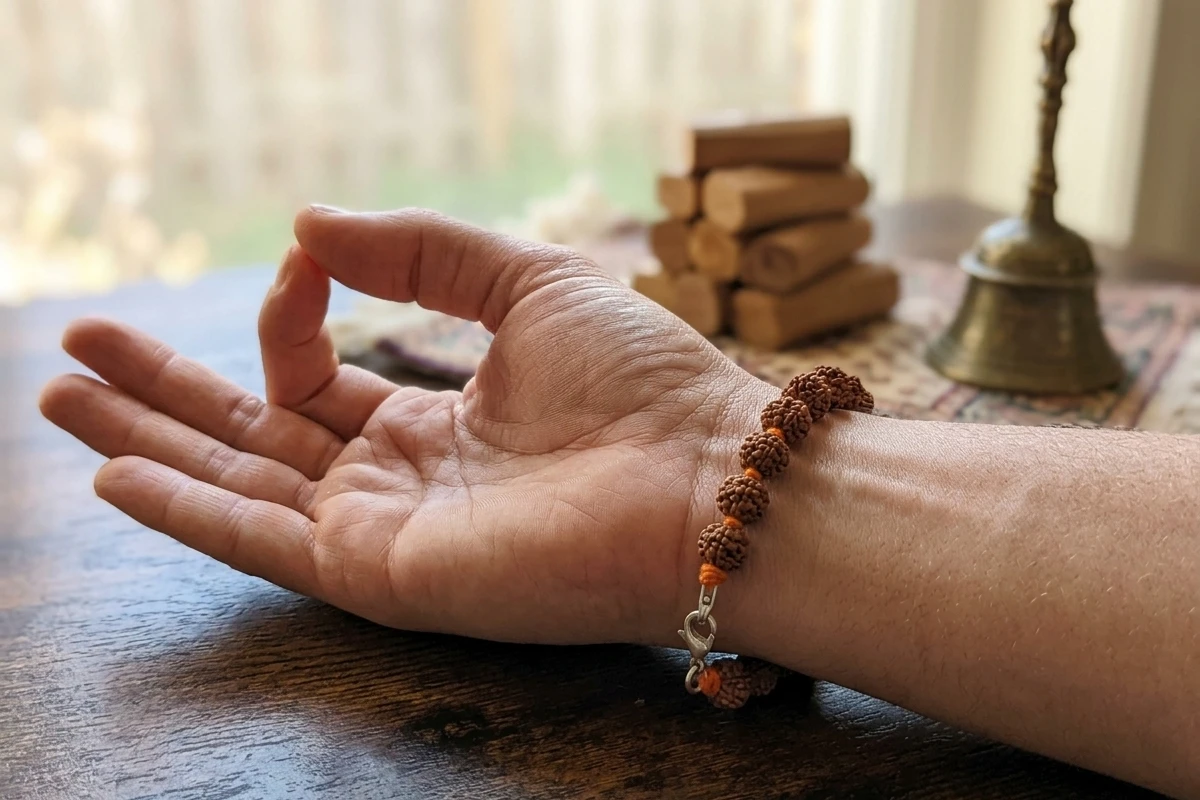
- Wrist Placement: Wear active energizing bracelets on the dominant right wrist and reflective meditative pieces on the left wrist.
A Quiet Touchstone in a Distracted World
In a culture defined by rapid screen transitions and constant notifications, wearing an authentic botanical bead establishes a stable point of return. The seed reminds you to pause, check your posture, and maintain deliberate focus. Whether you wear a minimalist wristlet or explore our complete spiritual wearables collection, Rudraksha bridges ancient natural insight with modern personal discipline.