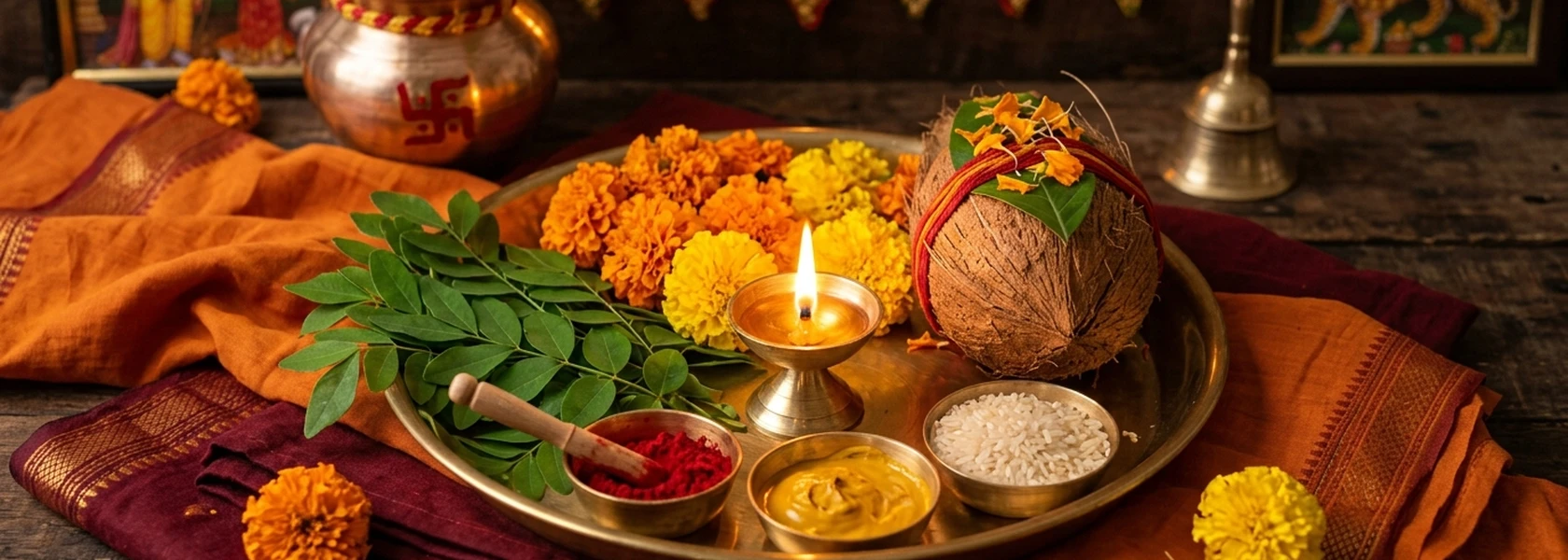
Dussehra, also celebrated as Vijayadashami, marks the tenth day of the bright half of Ashvina month in the Hindu calendar. The festival signifies the definitive triumph of Dharma over Adharma, culminating the nine nights of Navratri with celebratory prayers, community processions, and family rituals across India. In 2026, Vijayadashami falls on October 20, uniting families to honor divine courage, initiate new ventures, and seek blessings for success.
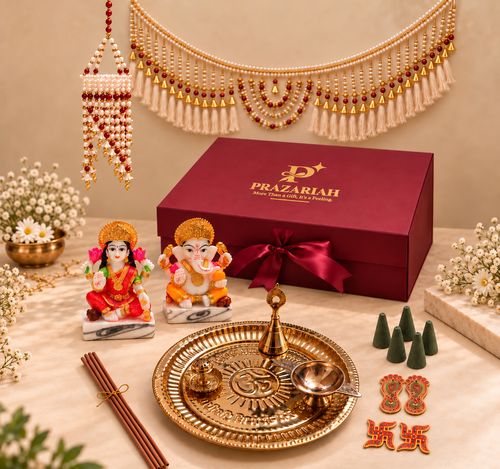
The festival carries dual scriptural importance across Sanatan Dharma traditions. In northern, western, and central regions, the day commemorates Bhagwan Rama defeating the demon king Ravana, marking the victory of righteous conduct. In eastern and southern traditions, the day honors Goddess Durga vanquishing the demon Mahishasura after nine days of battle. Preparing your home altar with items from the Dussehra and Vijayadashami collection allows your family to conduct every ceremony with order, focus, and reverence.
Essential Dussehra Puja Samagri Checklist
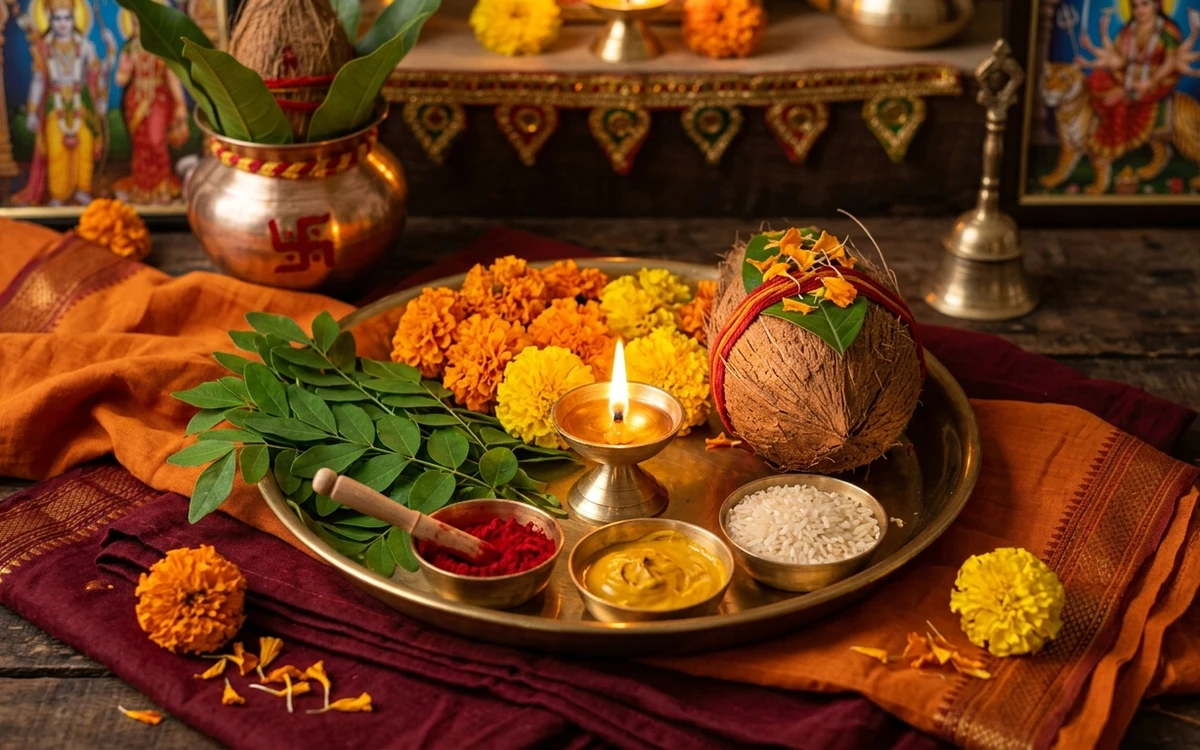
Assembling your ritual supplies before Dashami morning ensures that your home worship proceeds smoothly without hurried errands. Devotees organize their supplies on a sturdy pure brass pooja thali to hold offerings for deity invocation, plant worship, and weapon sanctification.
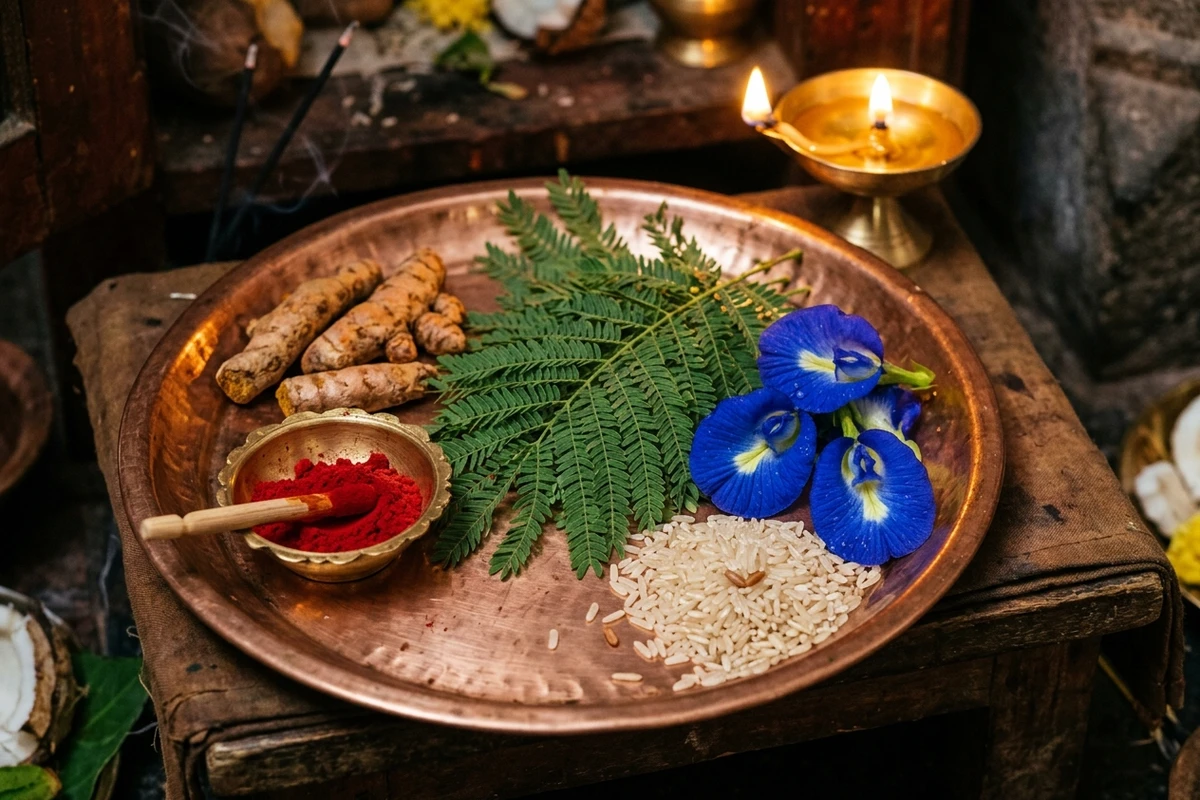
- Fresh Shami leaves (Prosopis cineraria) and tender sprigs for ancestral offering and leaf exchange.
- Blue Aparajita flowers (Clitoria ternatea), marigold garlands, and red hibiscus blossoms.
- Auspicious powders including raw haldi, pure kumkum, and unbroken akshat rice grains.
- A clean copper lota or brass kalash filled with fresh water and consecrated Gangajal.
- Pooja supplies including red mauli thread, betel leaves, betel nuts (supari), and cloves.
- Traditional illumination items including desi cow ghee, cotton wicks, and brass deepams.
- Fresh seasonal fruits, raw sugarcane pieces, jaggery, and traditional sweets like jalebi and motichoor ladoo.
| Sacred Item | Ritual Role | Traditional Symbolism |
| Shami Leaves | Exchanged with elders and placed on ears | Represents eternal courage, victory, and gold (sona) |
| Aparajita Flowers | Offered during afternoon Devi puja | Represents the unconquered nature of divine shakti |
| Akshat Rice | Sprinkled during invocations and tilak | Signifies unbroken wholeness and prosperity |
| Chandan Paste | Applied as cooling tilak on implements | Purifies the mind and brings sensory focus |
| Havan Samagri | Offered into the sacred Dashami fire | Cleanses the domestic environment and closes the festival |
Step-by-Step Shami Puja Vidhi
Shami Puja is one of the oldest recorded Vijayadashami observances. Ancient texts recount that the Pandavas concealed their divine weapons inside a sacred Shami tree during their year of incognito exile (Agnyatavasa). Before returning to battle on Kurukshetra, they retrieved their weapons unharmed and worshipped the tree for strength. Similarly, Bhagwan Rama worshipped the Shami tree before launching his campaign to Lanka.
- Position your Shami plant or visit a community tree located in the northeast (Ishanya) direction during Aparahna kaal.
- Cleanse the ground around the base of the tree with water and sprinkle a small bed of raw akshat rice.
- Offer pure water and a few drops of Gangajal to the roots while maintaining a calm, prayerful focus.
- Apply an auspicious tilak of kumkum and fragrant pure chandan powder to the main trunk.
- Tie a sacred red mauli thread around the lower branch, offering fresh marigolds and unbroken rice.
- Light a brass ghee diya at the base and recite the traditional Sanskrit Shami prayer for protection and success.
- Circumambulate the plant clockwise three times, pluck a few fallen or permitted leaves reverently, and preserve them in your puja space.
Aparajita Devi Puja and Vijay Muhurat
Aparajita Puja represents the invocation of the invincible aspect of Goddess Durga on Vijayadashami afternoon. Classical digests specify that the ritual must occur during Aparahna kaal, coinciding with Vijay Muhurat, the specific astrological window associated with unhindered success in noble actions.
Devotees construct an eight-petaled lotus (Ashtadal Kamal) on a clean wooden chowki using rice powder or sandalwood paste. Place a sacred image or idol of the goddess in the center and arrange your mandir and pooja space essentials with fresh water, flowers, and incense. Offer blue Aparajita blossoms while reciting stutis honoring the goddess as the protector of righteous conduct.
Ayudha Puja and Vahan Puja Traditions
Vijayadashami is also dedicated to Ayudha Puja, the consecration of the instruments through which you earn your livelihood and fulfill daily duty. Artisans clean their workshop tools, engineers inspect their equipment, drivers wash and garland their vehicles, and students organize their textbooks and notebooks before the deity.
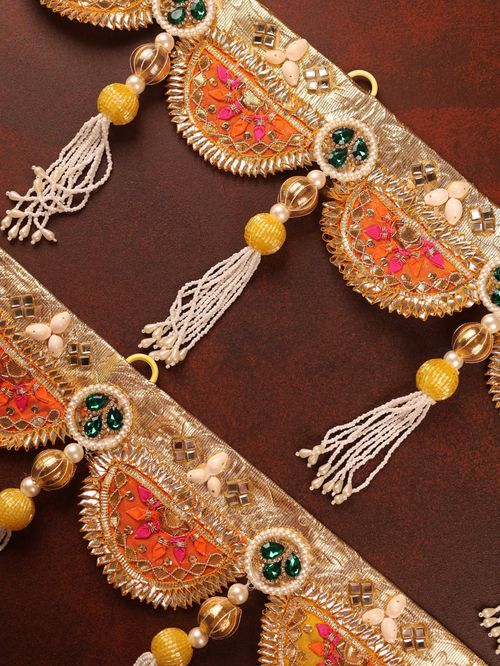
During Vahan Puja, families wash their cars, two-wheelers, and commercial vehicles thoroughly. Devotees apply haldi and kumkum swastikas to hoods, hang fresh mango-leaf torans across grilles, place small marigold garlands on mirrors, and crack a fresh coconut before the front wheels as a gesture of gratitude and travel safety.
Concluding Hawan and Sundarkand Recitation
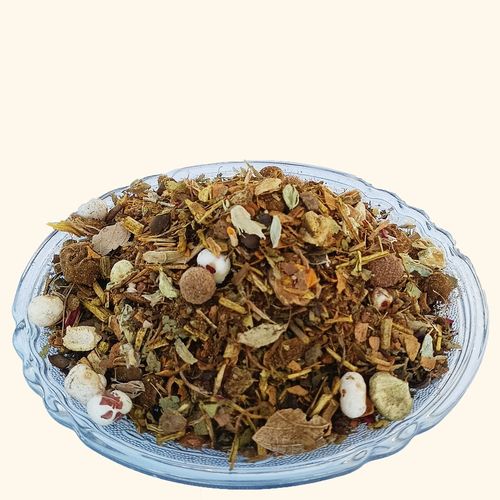
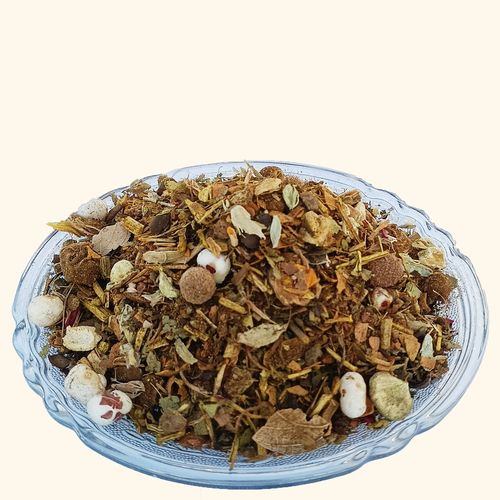
Many households conclude the ten-day festive cycle by performing a peaceful home hawan. Lighting a sacred hawan fire with pure cow ghee, dry coconut halves, and natural herbal havan samagri purifies the domestic atmosphere and offers gratitude for the blessings received during Navratri.
In addition to hawan rites, families often gather in the late afternoon to chant the Sundarkand chapter from the Ramcharitmanas. Using an organized Sundarkand path kit keeps your recitation orderly and helps young family members participate in reading verses celebrating courage, service, and dedication to Dharma.
Regional Vijayadashami Observances Across India
India celebrates Vijayadashami through distinctive regional expressions that mirror deep historical roots:
- Northern and Central India: Crowds gather in open grounds for Ramleela plays and witness the burning of towering effigies of Ravana, Kumbhakarna, and Meghnada, followed by sharing jalebis.
- West Bengal and Eastern States: Married women celebrate Sindoor Khela, applying vermilion to Maa Durga idols and one another before bidding farewell to the goddess during grand river immersions.
- Karnataka and South India: Mysore Palace hosts the legendary Jumboo Savari, where the idol of Goddess Chamundeshwari processes on a golden howdah atop a decorated royal elephant.
- Himachal Pradesh: The Kullu Dussehra festival commences in Dhalpur Maidan, gathering more than two hundred local devatas in a week-long celebration of community faith.
- Maharashtra and Gujarat: Devotees observe Seemolanghan by symbolically crossing local borders to initiate ambitious endeavors, followed by distributing Shami leaves as golden blessings to elders.
Embodying the Victory of Righteous Living
Beyond external celebrations and dramatic effigies, Dussehra reminds you to examine inner inclinations. Conquering negative impulses like anger, pride, and greed through disciplined living forms the true spiritual core of Vijayadashami. When you conclude the festival surrounded by family, sharing sweets, and touching the feet of elders with Shami leaves, you step into the new season with clarity, dignity, and renewed purpose.