Karwa Chauth marks the fourth day (Chaturthi) of the waning lunar fortnight (Krishna Paksha) in the month of Kartik according to the Purnimanta calendar, corresponding to Ashvina Krishna Chaturthi in the Amanta calendar. Across North, West, and Central India, married women observe this sacred day-long nirjala vrat with unwavering devotion, praying for the health, long life, and prosperity of their husbands. In 2026, Karwa Chauth falls on October 29 under the auspicious Rohini Nakshatra, uniting families through generational rituals that begin long before sunrise and culminate with the rising of the evening moon.
The festival embodies the cultural sanctity of marital harmony, mutual respect, and selfless commitment. From receiving the pre-dawn blessings of sargi from mother-in-laws to gathering for the afternoon vrat katha and presenting water libations to the moon, every phase follows time-honored discipline. Preparing your home altar with items from the Karwa Chauth pooja collection allows families to conduct each ritual with ease, dignity, and heartfelt devotion.
Pre-Dawn Sargi: Rituals, Nutrition, and Mother-in-Law's Blessings
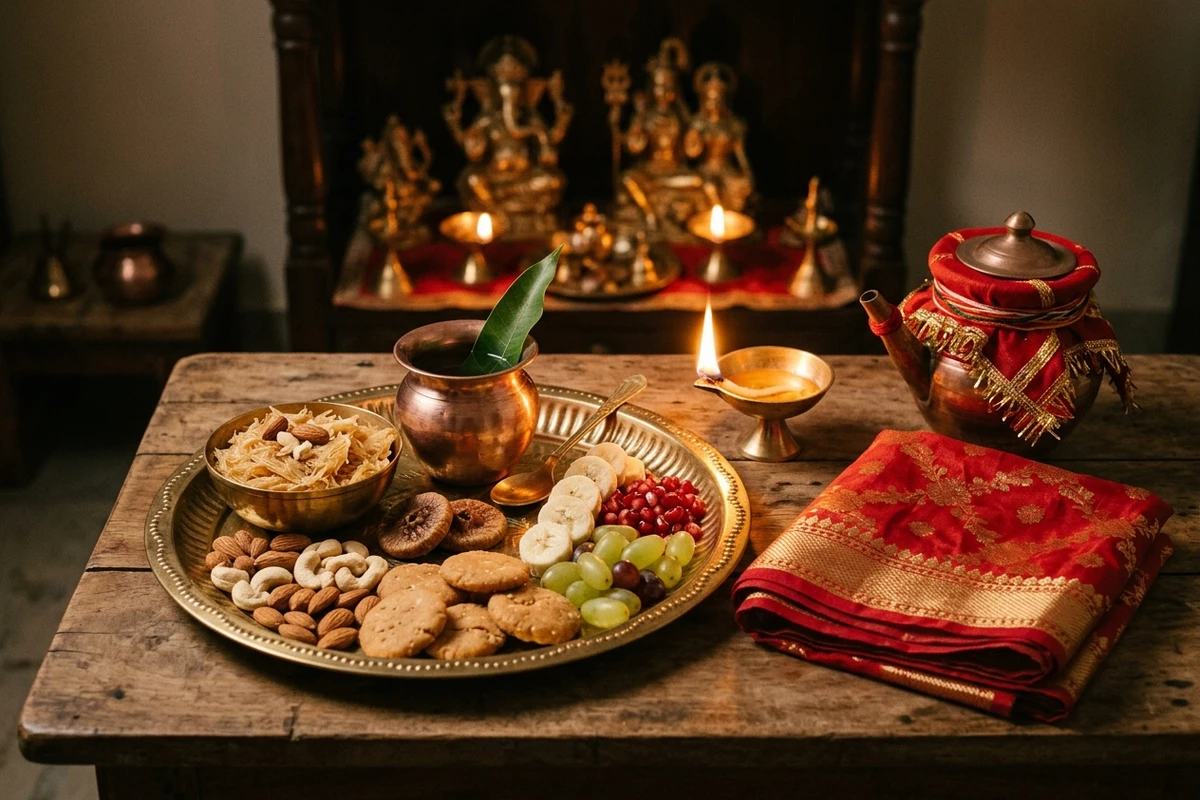
The spiritual day begins during the quiet hours of Brahma Muhurat, approximately two to three hours before sunrise. The central tradition of this morning is Sargi, an auspicious meal and blessing basket prepared and gifted by the mother-in-law (saas) to her daughter-in-law (bahu). Consumed before the first light of dawn, sargi provides both sustained physical endurance for the strict waterless fast and a profound symbol of maternal acceptance and marital protection.
- Traditional Fenian and Kheer: Fine vermicelli cooked gently in warm milk and sweetened with mishri or saffron, offering wholesome hydration and steady energy.
- Dry Fruits and Nuts: Soaked almonds, cashews, walnuts, raisins, and dried dates (chuara) that release slow-burning energy throughout the fasting hours.
- Fresh Seasonal Fruits: Hydrating fruits such as sweet pomegranate, apples, and bananas that maintain electrolyte balance naturally.
- Traditional Mathri: Crisp savory or sweet wheat crackers seasoned with ajwain and black pepper, prepared by elders as traditional festive prasad.
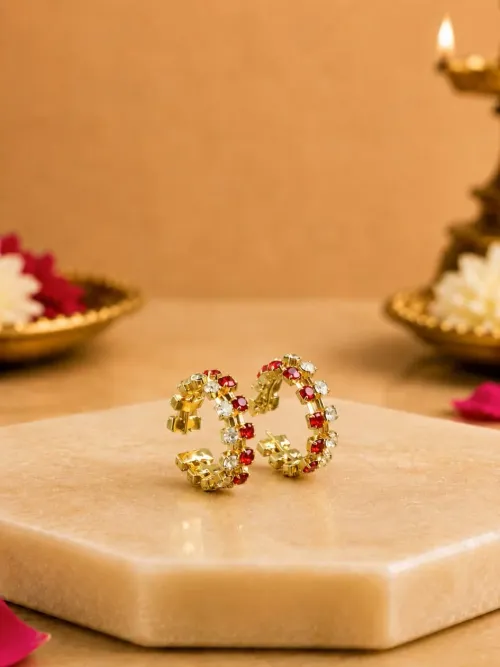
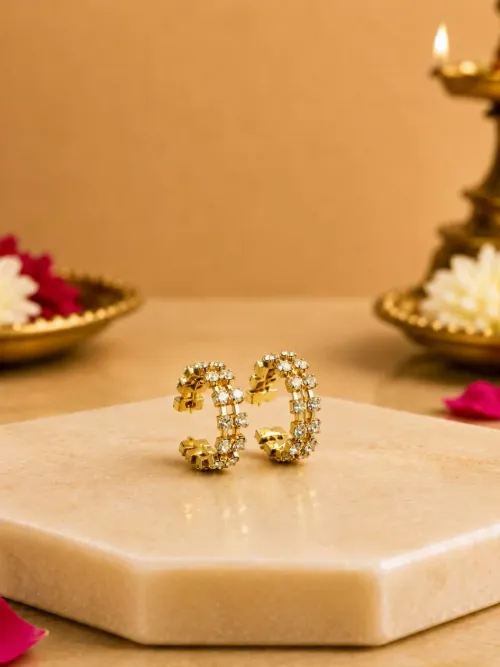
- Sacred Shringar Adornments: Auspicious red glass bangles, bindi, alta for hands and feet, pure sindoor, and a red chunri gifted by the mother-in-law as signs of saubhagya.
Essential Karwa Chauth Samagri and Thali Checklist
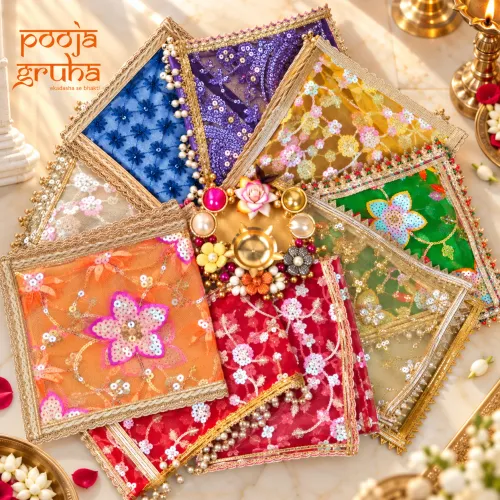
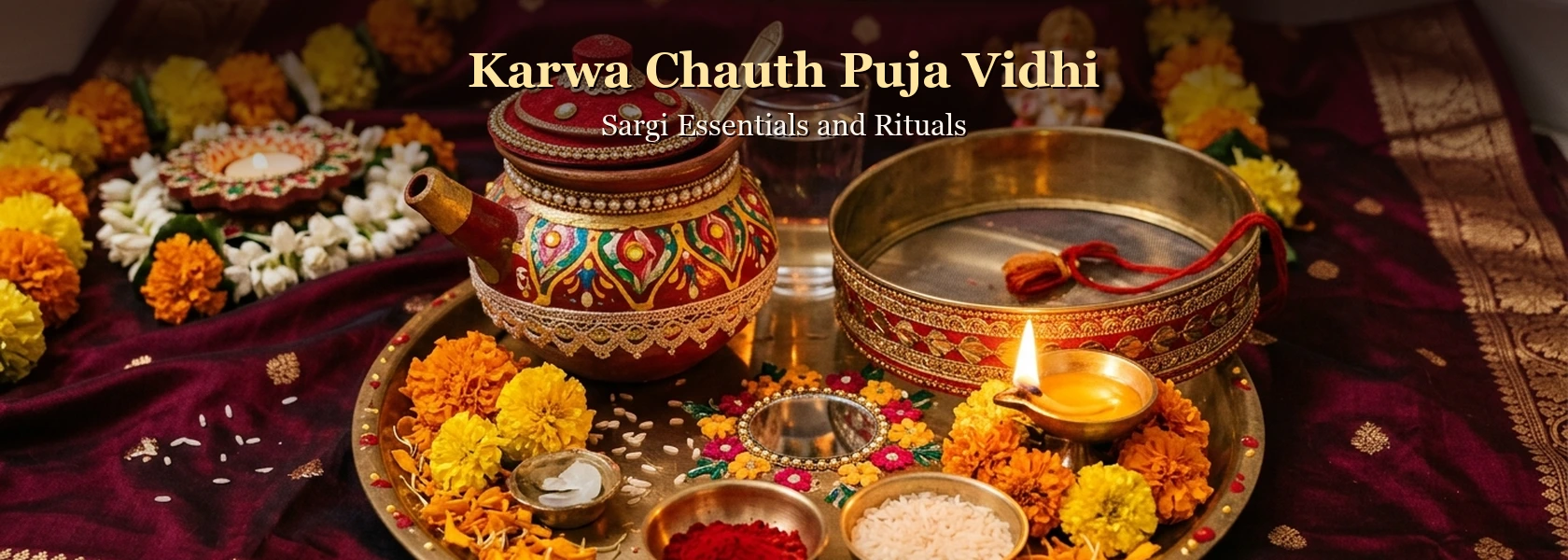
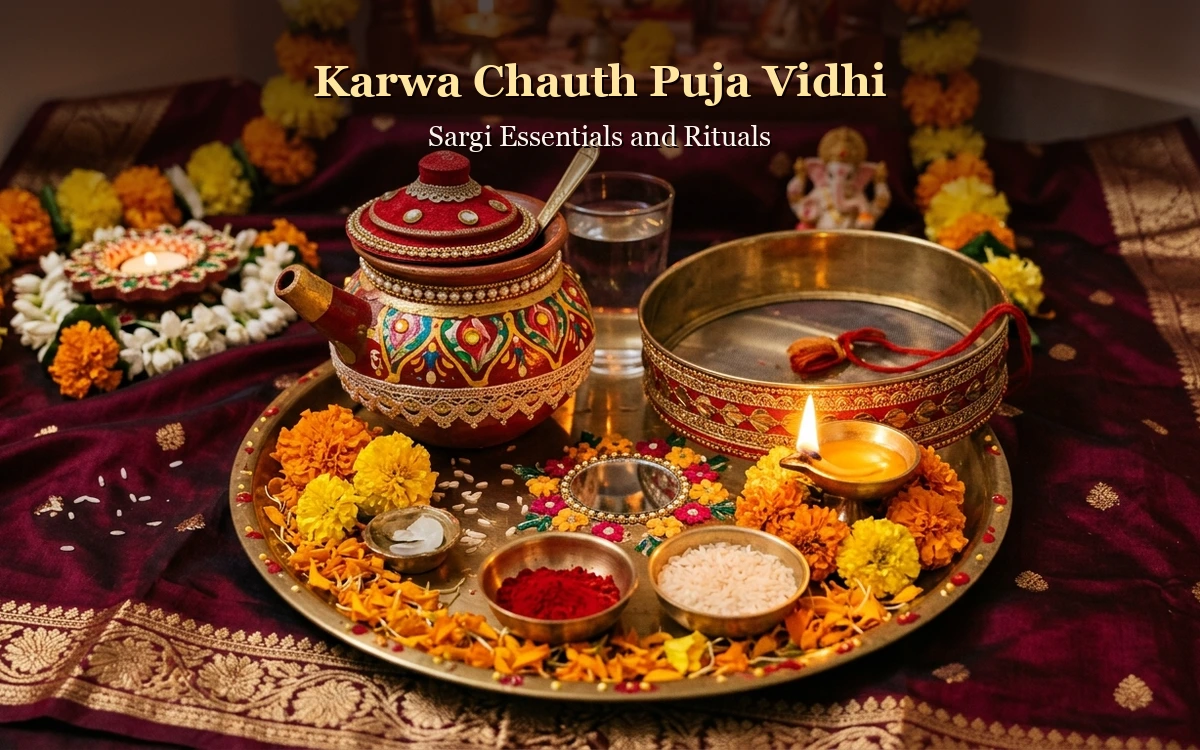
Gathering your ritual supplies ahead of time preserves a calm, uninterrupted devotional mindset throughout the festival. Devotees traditionally organize their ritual apparatus on an ornate Karwa Chauth pooja thali set with channi and karwa, ensuring that all implements required for deity worship and moon-sighting are readily available.
- A traditional earthen or brass karwa pot with a clean spout, decorated with sacred red threads and turmeric swastikas.
- A fine mesh chalni (sieve) used for viewing the evening moon and the spouse during the culmination rites.
- A clean copper lota or brass kalash filled with pure water and consecrated Gangajal for offering moonrise arghya.
- Sacred tilak powders including natural kumkum, raw haldi, and unbroken akshat rice grains.
- Pooja items including sacred red mauli thread, dry whole supari (betel nuts), cloves, and fresh paan leaves.
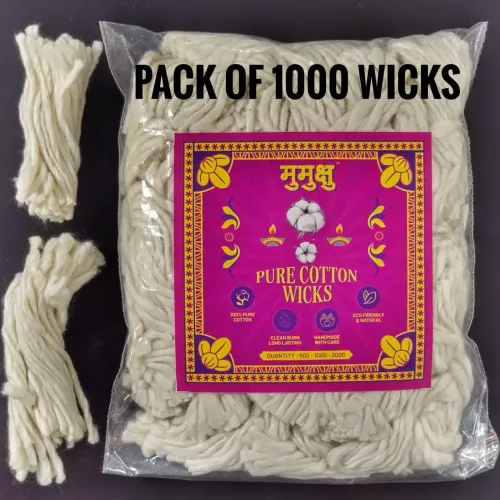
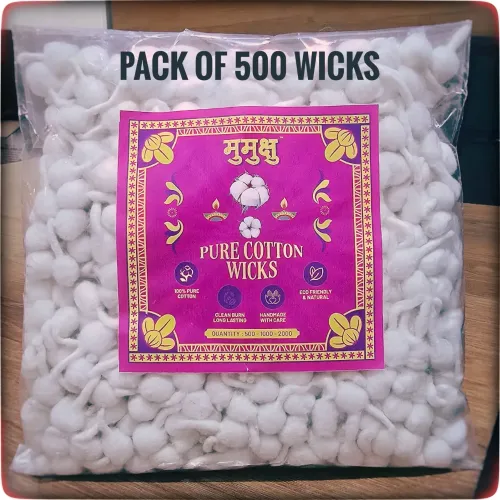
- Illumination essentials including brass ghee deepams, raw cotton wicks, and pure camphor tablets.
- Handfuls of raw wheat grains or unbroken rice grains held during the recitation of the Karwa Chauth vrat katha.
- Fresh marigold flower garlands, red roses, and sweet mathri offered as naivedya to Karwa Mata.
| Sacred Item | Ritual Role | Traditional Symbolism |
| Karwa Pot with Spout | Holds consecrated water for deity puja and arghya | Represents the cosmic vessel of life, patience, and divine grace |
| Chalni (Fine Sieve) | Filters the sacred gaze of the moon and spouse | Signifies filtering distractions and focusing on pure, heartfelt devotion |
| Pure Cow Ghee Diya | Illuminates the thali during prayers and aarti | Symbolizes spiritual radiance, eliminating negativity and fear |
| Akshat Rice & Kumkum | Applied as sacred tilak to deities and devotees | Embodies wholeness, vitality, and uninterrupted marital fortune |
| Sweet Mathri & Naivedya | Offered to Karwa Mata and shared post-fast | Represents mutual gratitude, domestic sweetness, and shared sustenance |
Afternoon Puja Vidhi and Karwa Chauth Vrat Katha
During the late afternoon between 4:00 PM and 6:00 PM, married women bathe, dress in auspicious festive clothing such as red, maroon, or gold sarees, and apply solah shringar. They gather in community circles, temple halls, or family courtyards to conduct the central puja and listen to the ancient vrat katha.
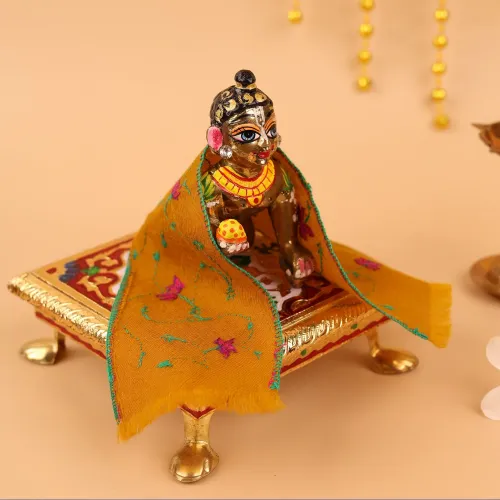
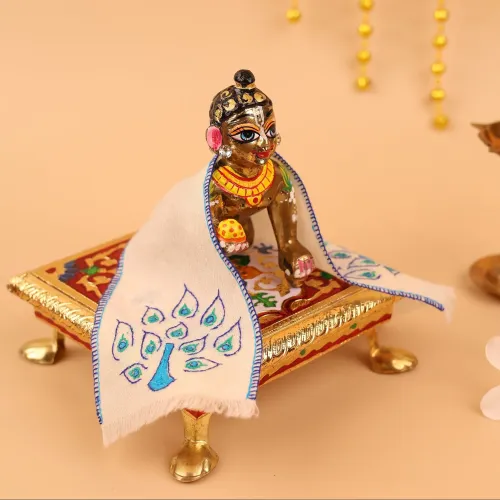
Devotees place a clean wooden chowki covered with fresh red cloth and position an image of Karwa Mata, Bhagwan Shiva, Mata Parvati, and Bhagwan Ganesha. Devotees consecrate the altar using sacred tilak, applying pure roli kumkum powder and aromatic asthgandh chandan powder to the karwa and deity images with solemn reverence.
- Altar Preparation: Draw an auspicious swastika on the chowki with chandan and kumkum, seating the deity idols and the sacred karwa pot securely.
- Filling the Karwa: Fill the earthen or brass karwa with clean water, milk, and a coin, placing a clay lid on top filled with wheat grains or sugar.
- Holding the Sacred Grains: Hold a handful of wheat grains or unbroken rice in your right hand while the eldest woman in the family narrates the Karwa Chauth vrat katha.
- Listening to the Katha: Listen attentively to the legendary stories of Queen Veeravati, Karwa Mata's rescue of her husband from a crocodile, and Savitri's unwavering resolve.
- Thali Pherna (Plate Rotation): Sit in a circle and rotate your decorated puja thalis from one woman to the next seven times while singing traditional devotional folk verses.
- Baya Offering: Set aside the Baya—consisting of dry fruits, sweets, a saree, and shringar items—and present it respectfully to your mother-in-law or an elder matriarch to seek her blessings.
Evening Moonrise Arghya Vidhi and Breaking the Fast
The culmination of Karwa Chauth takes place upon moonrise on Chaturthi night. Devotees carry a traditional decorative pooja thali set to an open terrace, balcony, or garden courtyard where the moon is clearly visible.
Lighting the aarti lamp with pure cow ghee diya wicks creates a steady, peaceful flame that withstands the evening autumn breeze. The serene atmosphere reflects hours of disciplined contemplation, faith, and patience.
- First Gaze of the Moon: Light the ghee diya on your thali and raise the chalni to gaze at the full brilliance of the rising moon through the mesh.
- Offering Moon Arghya: Pour clean water mixed with raw milk, akshat, and kumkum from the karwa or copper lota toward the moon, chanting hymns honoring Chandra Dev.
- Circumambulation: Turn clockwise three times on the spot in reverence to the celestial deity, praying for peace and long life.
- Gazing at the Spouse: Lower the chalni to look upon your husband's face through the same mesh, silently offering prayers for mutual devotion, good health, and family well-being.
- Touching of Feet: Touch your husband's feet and the feet of household elders to receive their heartfelt blessings of saubhagya.
- Breaking the Fast: The husband takes the consecrated water from the karwa and gently offers the first sip to his wife, followed by a piece of sweet mathri or fruit to mark the sacred completion of the vrat.
Regional Karwa Chauth Customs Across India
- Punjab and Delhi: Families host lively mehendi celebrations the previous night. The morning sargi features traditional fenian and milk, followed by joyous communal thali rotations and festive dinner gatherings.
- Uttar Pradesh and Bihar: Devotees paint elaborate figures of Karwa Mata on walls with red geru and rice paste, use clay karwas decorated with khari mitti, and offer homemade sweet wheat mathris.
- Rajasthan: Deeply connected with royal Rajput folklore, women wear traditional poshak adorned with gota patti, craft small clay idols of Bhagwan Shiva and Mata Parvati, and exchange hand-painted earthen karwas.
- Haryana and Himachal Pradesh: Villages observe collective katha recitations in community squares, emphasizing the folklore of Karwa Mata conquering Yamraj, accompanied by heartfelt folk singing.
- Gujarat and Maharashtra: Celebrated as Ashwin Krishna Chaturthi, women perform dedicated Gauri and Ganpati puja, integrating local customs of marital auspiciousness and saubhagya.
Embodying Marital Harmony and Mindful Living
Beyond the outward splendour of colorful sarees, shimmering bangles, and festive celebrations, Karwa Chauth represents an inner commitment to shared responsibility, mutual respect, and patience. In contemporary Indian households, many partners observe the fast collaboratively or support each other actively throughout the day, reinforcing that family strength rests upon equal devotion and understanding. When observed with reverence, sincerity, and mindful attention, Karwa Chauth renews the spiritual bonds that anchor home and hearth.