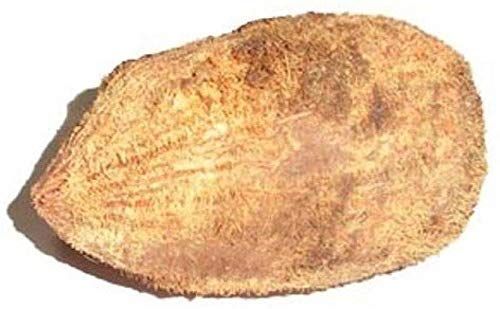

Pitru Paksha is the dedicated sixteen-day lunar period in the Hindu calendar when families honor their ancestors through sacred rites of remembrance, gratitude, and charity. In 2026, this sacred fortnight begins on September 27 with Pratipada Shradh and culminates on October 10 with Sarva Pitru Amavasya. Across generations, Indian households pause significant new purchases and celebrations during this time to turn attention toward family lineage, offering water, grain, and food to three generations of paternal and maternal forebears.
The observance rests on the foundational concept of Pitru Rin, the ancestral debt that every individual inherits. Vedic tradition holds that expressing conscious gratitude through Shradh frees ancestors from intermediate realms and brings peace to the living household. When you prepare for these rituals, organizing your sacred items from the sacred waters and offerings collection ensures that your morning ceremonies remain focused, orderly, and deeply reverent.
The Significance of Pitru Paksha in the Vedic Calendar
The timing of Pitru Paksha aligns with the autumn transition, falling during the Krishna Paksha of the month of Ashvina in the Purnimanta calendar, which corresponds to Bhadrapada Krishna Paksha in the Amanta calendar. According to ancient texts such as the Vishnu Purana and Garuda Purana, the souls of ancestors draw close to the earthly realm during this fortnight. They receive nourishment through the subtle essence of water, sesame seeds, and prayers offered by their descendants.
The fortnight is not a period of mourning, but an active practice of filial duty and living memory. Performing these rites acknowledges that your current life, identity, and values stem from the labor and sacrifices of prior generations.
Essential Samagri Checklist for Shradh and Tarpan
Tarpan and Shradh require specific natural elements mentioned in the Grihya Sutras. Each item carries precise symbolic value and functional significance during the libation rituals.
- Kusha Grass (Dharba): Fresh blades of sacred kusha grass woven into a pavitri ring for the right ring finger, guiding the direction of water offerings.
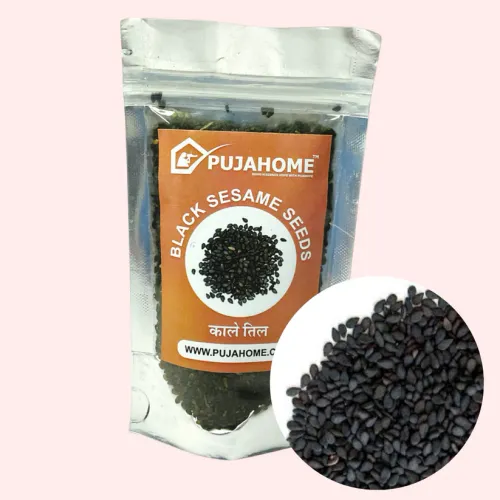
- Black Sesame Seeds: A bowl of organic black sesame seeds, representing protection, purification, and the traditional offering beloved by the ancestors.
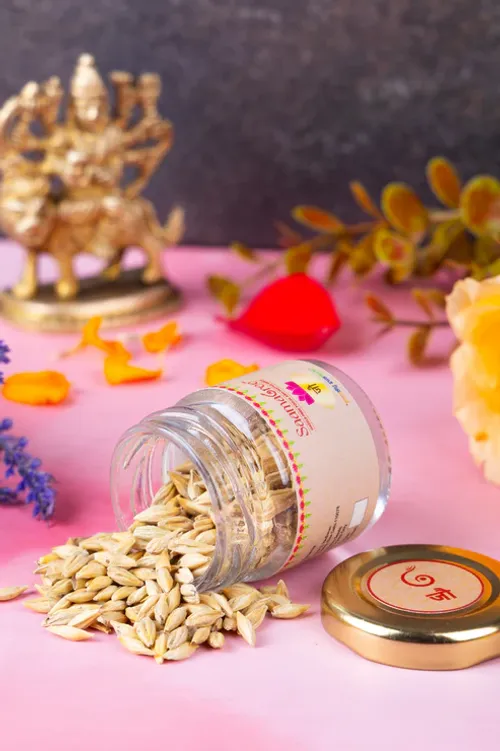
- Barley Grains (Jau): Clean unbroken puja jau, symbolizing prosperity and continuous regeneration of the family line.
- Sacred Water: Pure river water or natural spring water mixed with fresh Rishikesh Gangajal to sanctify the libation.
- Copper or Brass Utensils: A traditional copper panchpatra and achmani spoon, brass thali, and water lota. Copper is prescribed for ancestral libations.
- Sacred Hawan Ingredients: Pure desi cow ghee, dried cow dung cakes, and traditional pure hawan samagri for the concluding agnihotra offerings.
- Food Offerings: Freshly prepared kheer made with cow milk, rice, and jaggery, along with seasonal fruits, white flowers, and yellow mustard seeds.
| Sacred Item | Ritual Purpose | Scriptural Reference |
| Kusha Grass (Dharba) | Conducts ritual energy and insulates the performer | Rigveda and Garuda Purana |
| Black Sesame (Kala Til) | Sustains ancestral spirits and wards off negative energies | Shatapatha Brahmana |
| Gangajal | Purifies the offering and cleanses the ancestral soul | Padma Purana |
| Copper Panchpatra | Sacred metallic vessel prescribed for Pitru Tarpan | Manusmriti |
| Barley (Jau) | Signifies auspiciousness, immortality, and family legacy | Taittiriya Samhita |
Step-by-Step Daily Tarpan Vidhi
Tarpan is the sacred act of satisfying deities, sages, and departed ancestors by pouring consecrated water through the fingers. You can perform this brief ritual every morning throughout the sixteen days.
- Morning Bath and Attire: Bathe early in the morning. Put on clean, unstitched white cotton clothes like a dhoti. Avoid synthetic garments during the ritual.
- Wearing the Kusha Pavitri: Form a knot with a blade of kusha grass into a ring. Wear it on the ring finger (anamika) of your right hand.
- Yajnopavita Placement: If you wear a sacred janeu thread, shift it over your right shoulder down to the left hip into the Prachinaviti position, which designates ancestral worship.
- Deva and Rishi Tarpan: Face east. Hold clean water and barley in both hands joined together. Pour the water outward over the tips of your fingers (Deva Tirtha) honoring the deities and cosmic sages.
- Pitru Tarpan: Face south, the direction traditionally associated with the realm of Yama and ancestral pitrus. Add black sesame seeds and Gangajal to the copper vessel. Tilt your hands so the water flows out through the space between your thumb and index finger (Pitru Tirtha).
- Ancestral Invocations: Recite the names and gotra of your departed parents, grandparents, and great-grandparents. Offer water three times for each paternal ancestor and three times for each maternal ancestor with heartfelt gratitude.
Understanding Kutup Muhurat and Auspicious Timings
Unlike daily morning deity worship, which occurs during the early Brahma Muhurat, Shradh rites require specific midday periods known as Aparahna kaal. Ancient texts divide the day into fifteen muhurats of approximately 48 minutes each.
The eighth muhurat, called Kutup Muhurat, and the ninth muhurat, known as Rohina Muhurat, represent the most auspicious window for Shradh rituals. Kutup falls roughly between 11:45 AM and 12:35 PM, while Rohina follows immediately until about 1:25 PM. Performing Shradh during these hours ensures maximum spiritual concentration and follows established astrological guidelines. Never perform Shradh rituals at night, during twilight, or in the early hours before sunrise.
Panchabali and the Duty of Compassionate Giving
A central pillar of Shradh is Panchabali, which requires offering portions of cooked food to five living entities before family members eat. This practice reinforces that your life exists within an interdependent ecological and spiritual web.
- Go-Bali (The Sacred Cow): An offering of cooked rice, kheer, and grass placed before a cow, acknowledging her nurturing maternal energy.
- Shwan-Bali (The Dog): Food placed outside for dogs, honoring the companions and guardians of Yama's threshold.
- Kaka-Bali (The Crow): Rice mixed with black sesame seeds placed on a clean roof or open terrace. In Hindu lore, the crow serves as a messenger connecting physical and subtle planes.
- Deva-Bali: A small portion offered into the sacred hawan fire or placed on the altar for household devatas.
- Pipilika-Bali (Ants and Insects): Fine flour, sugar, and grains placed near anthills, feeding tiny living creatures that sustain the soil.
Regional Variations Across India
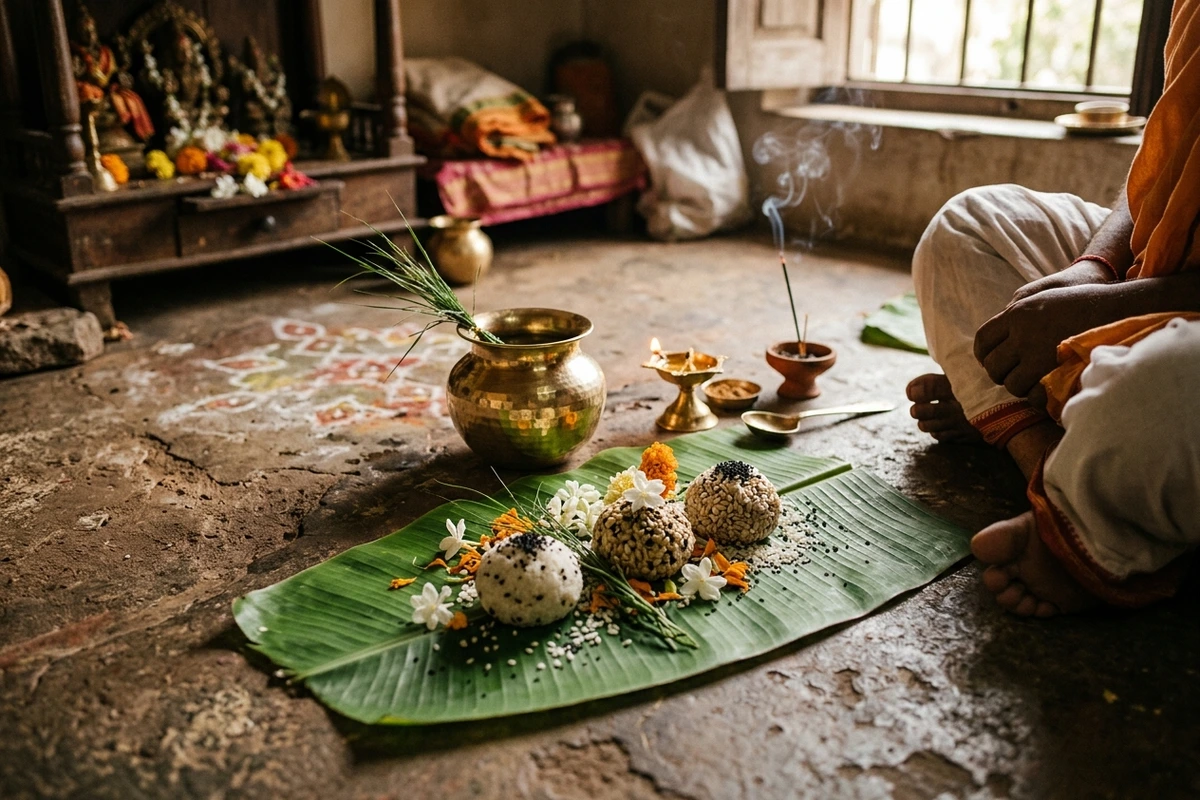
Traditions of Pitru Paksha display rich regional variety while preserving common spiritual intentions. In eastern India, particularly Bihar and Bengal, thousands journey to Gaya on the banks of the Falgu river to perform Pinda Daan with consecrated barley and sesame balls at the Vishnupad Temple.
In West Bengal, the final day of Pitru Paksha is known as Mahalaya. Early in the morning, families tune in to the legendary Mahishasuramardini radio broadcast, perform Tarpan at the Hooghly river ghats, and welcome the arrival of Goddess Durga. In Maharashtra and Gujarat, Sarva Pitru Amavasya is marked by extensive community feeding and cooking of puran poli and vegetable curries. In southern states like Tamil Nadu and Kerala, similar ancestral rites known as Bali Tharpanam take place along sacred coastal waters and river confluences.
Observance Guidelines on Sarva Pitru Amavasya
Sarva Pitru Amavasya marks the culmination of the fortnight on October 10, 2026. This day holds immense significance because it covers all ancestors whose exact death tithis are unknown, forgotten, or missed earlier in the fortnight.
If work or travel prevents you from observing specific tithis during the earlier days, dedicating Sarva Pitru Amavasya to complete Tarpan, Brahmin Bhojan, and Panchabali fulfills your annual ancestral obligations. Prepare a peaceful atmosphere, maintain a calm and reflective mindset, and close the fortnight with charity to those in need.