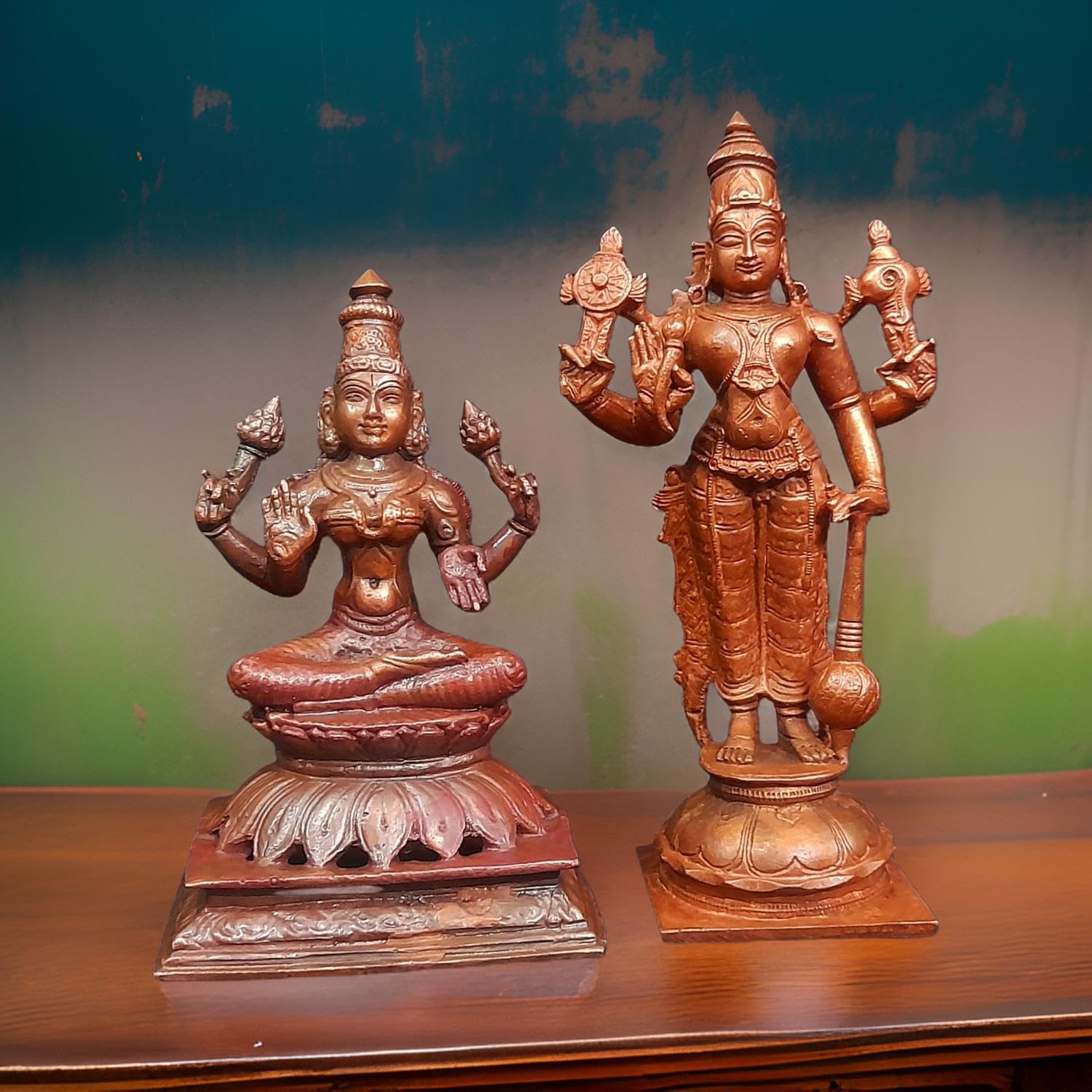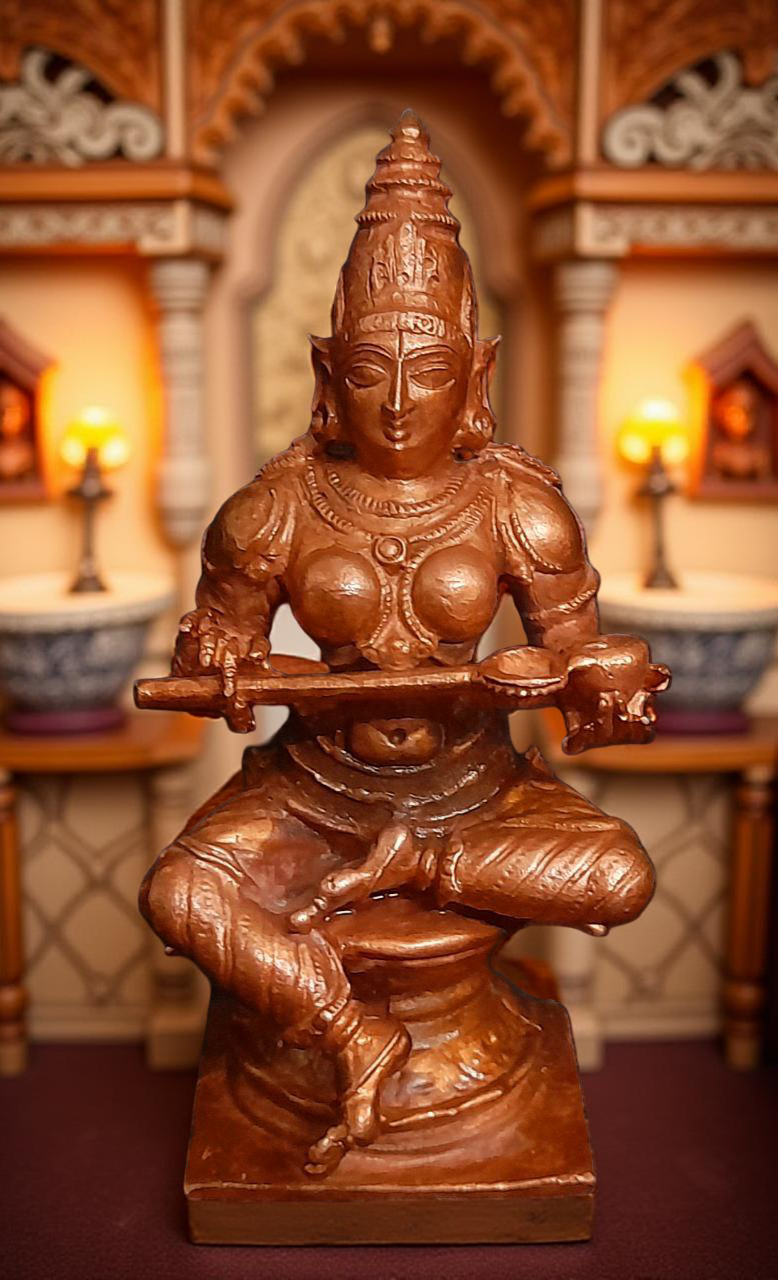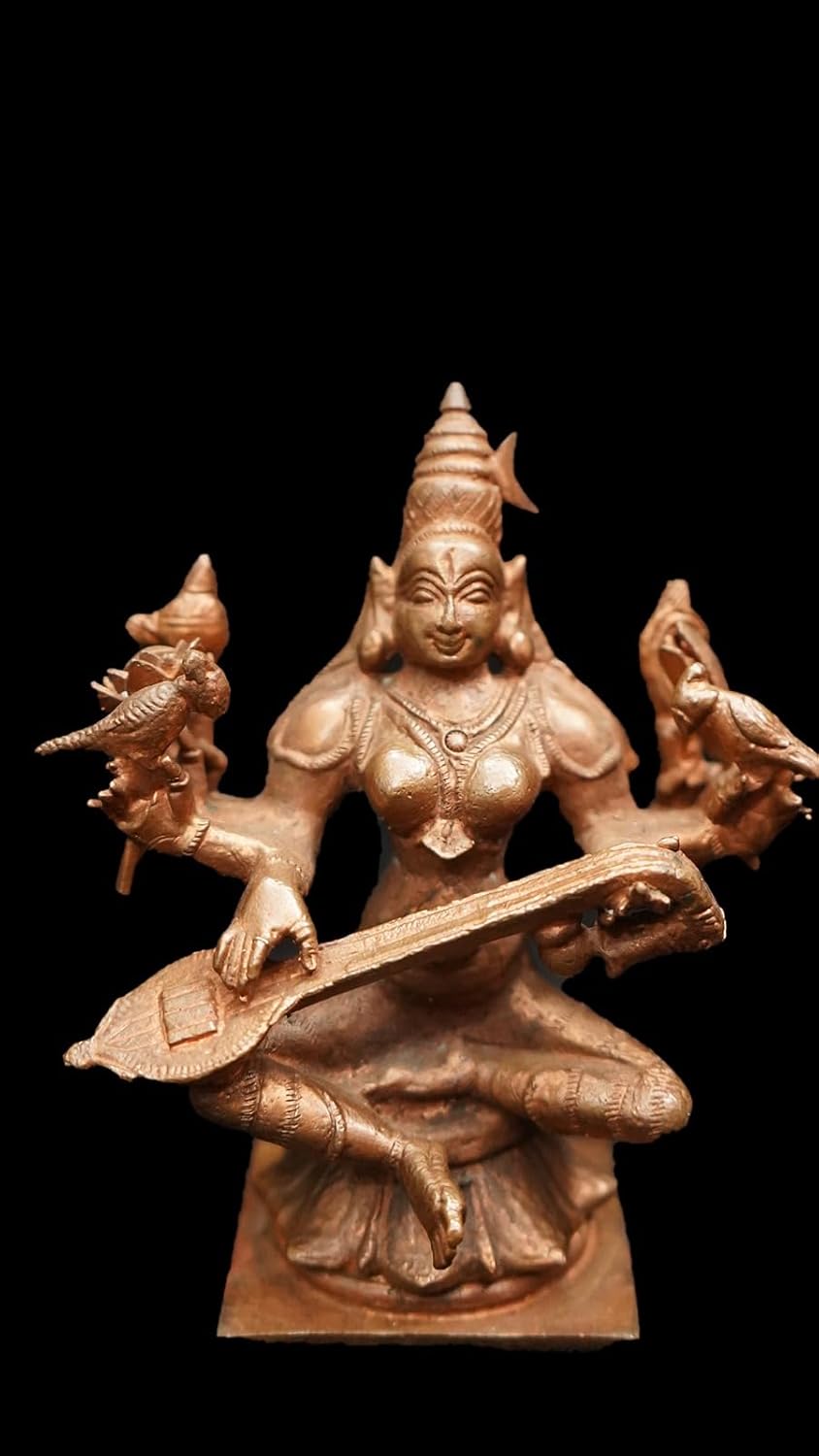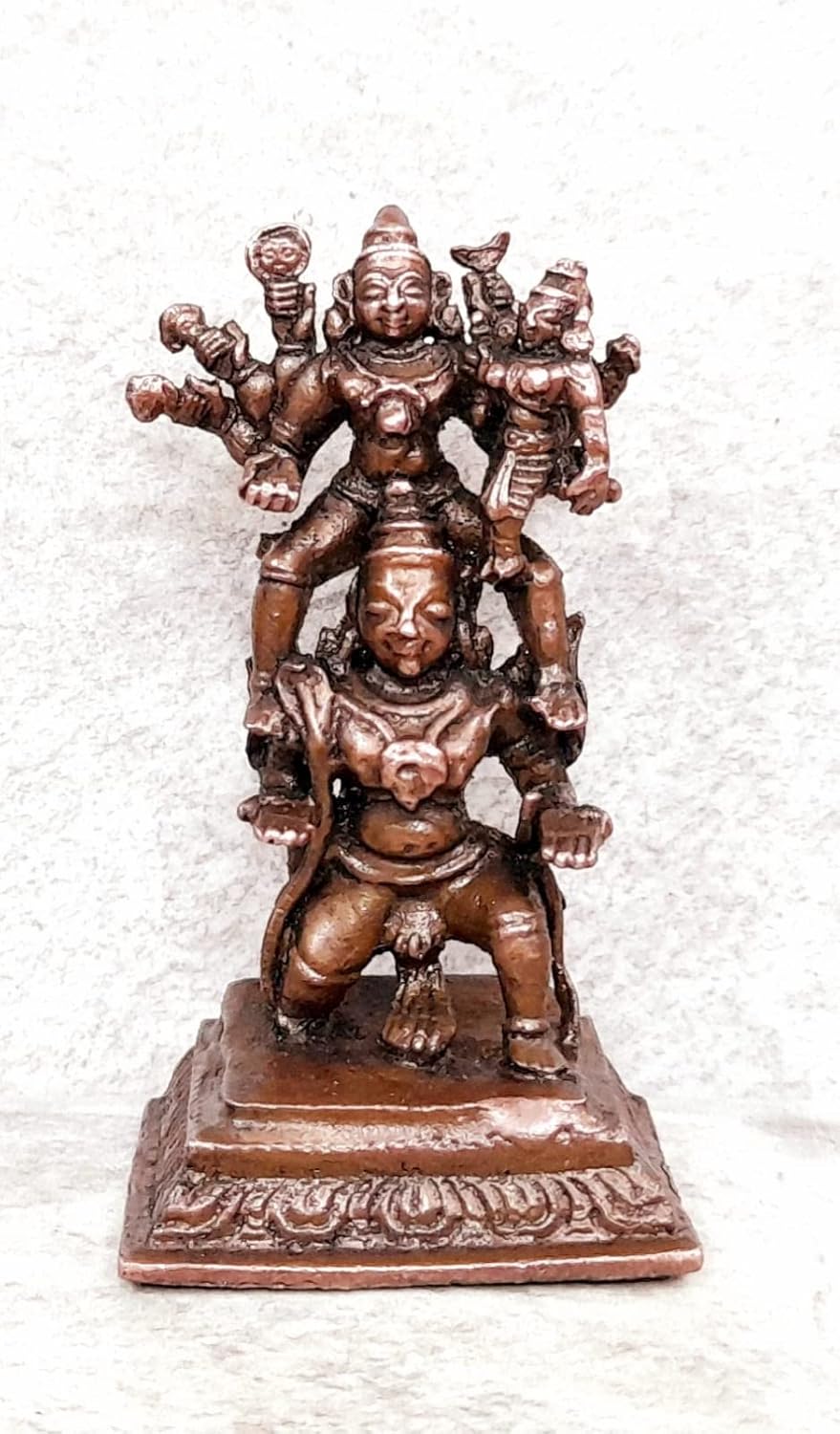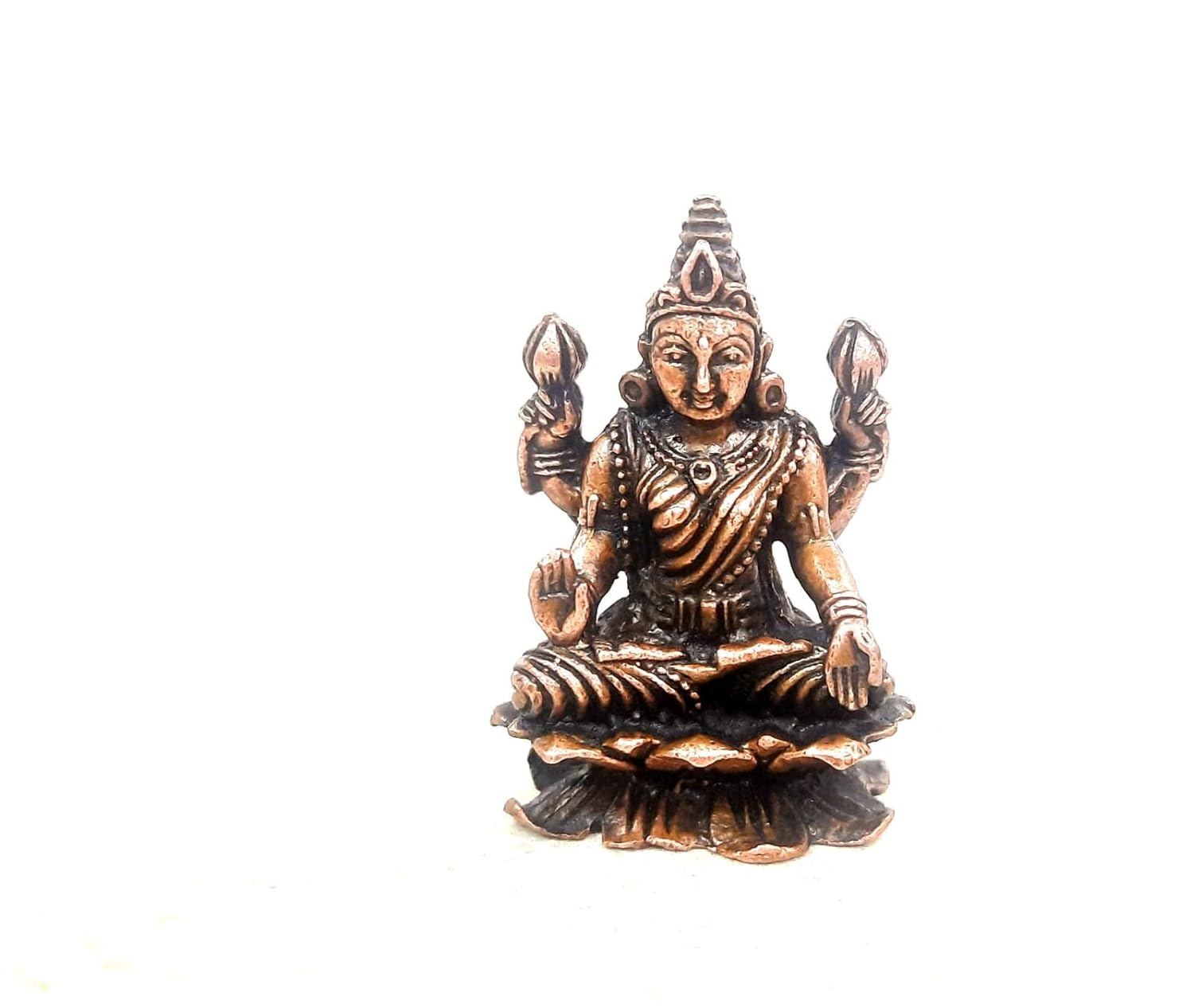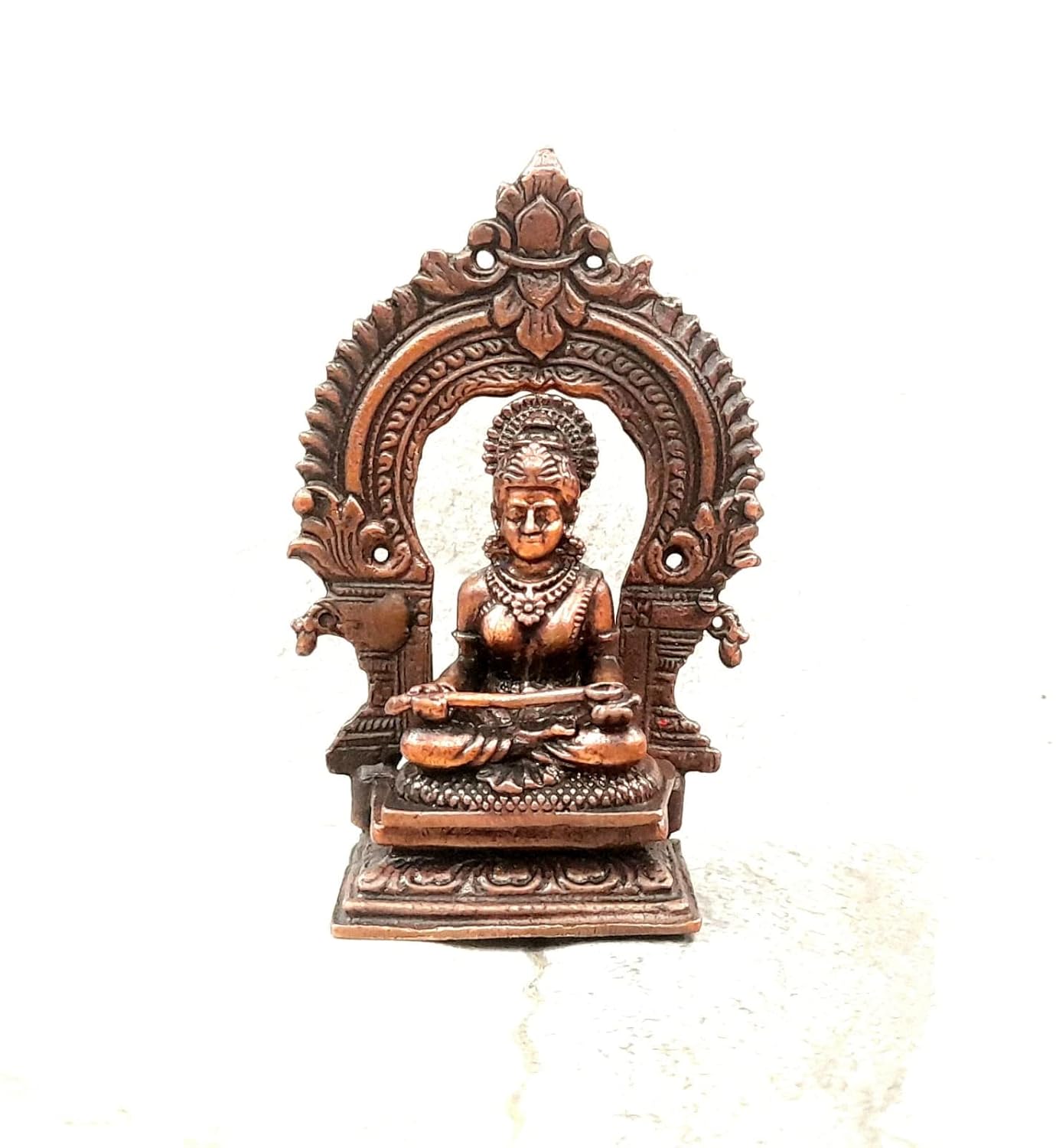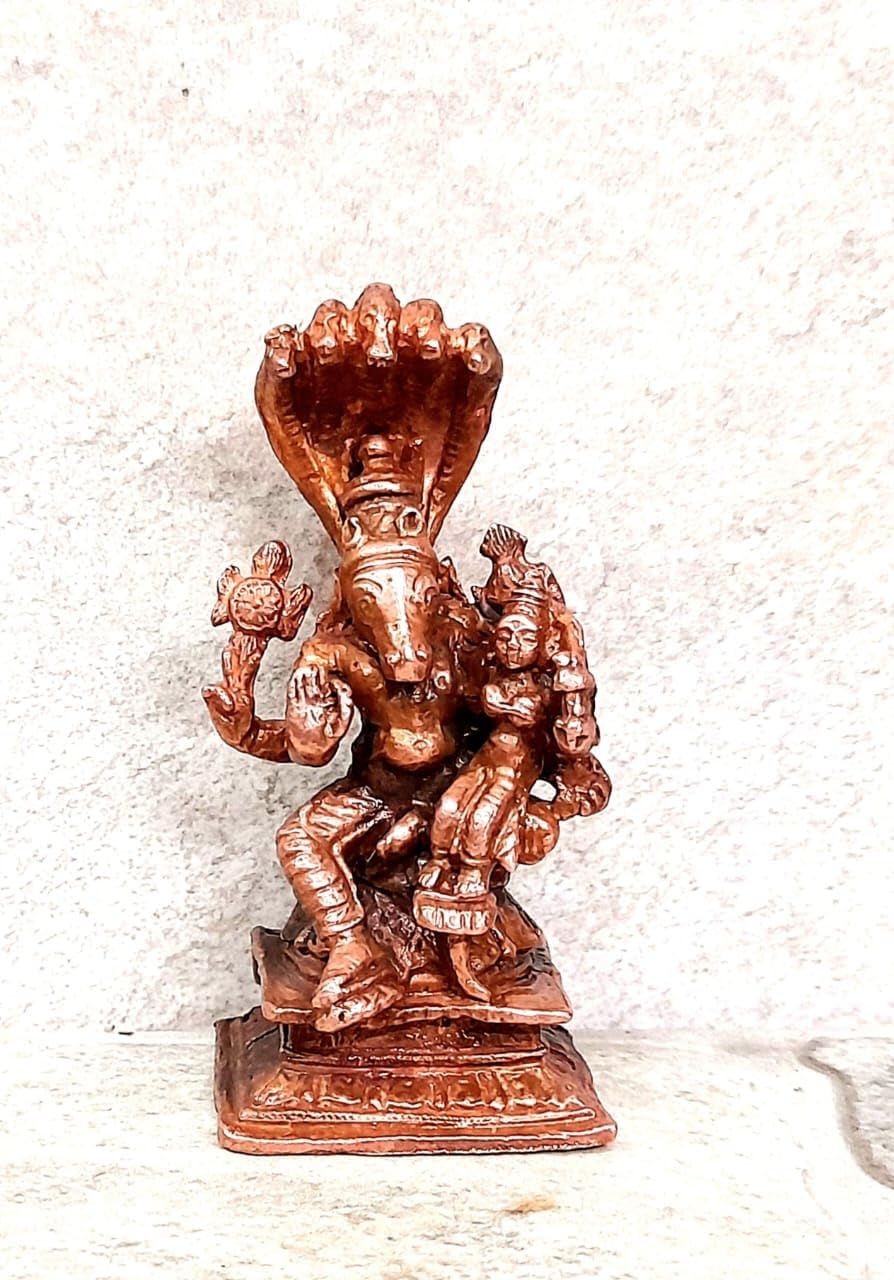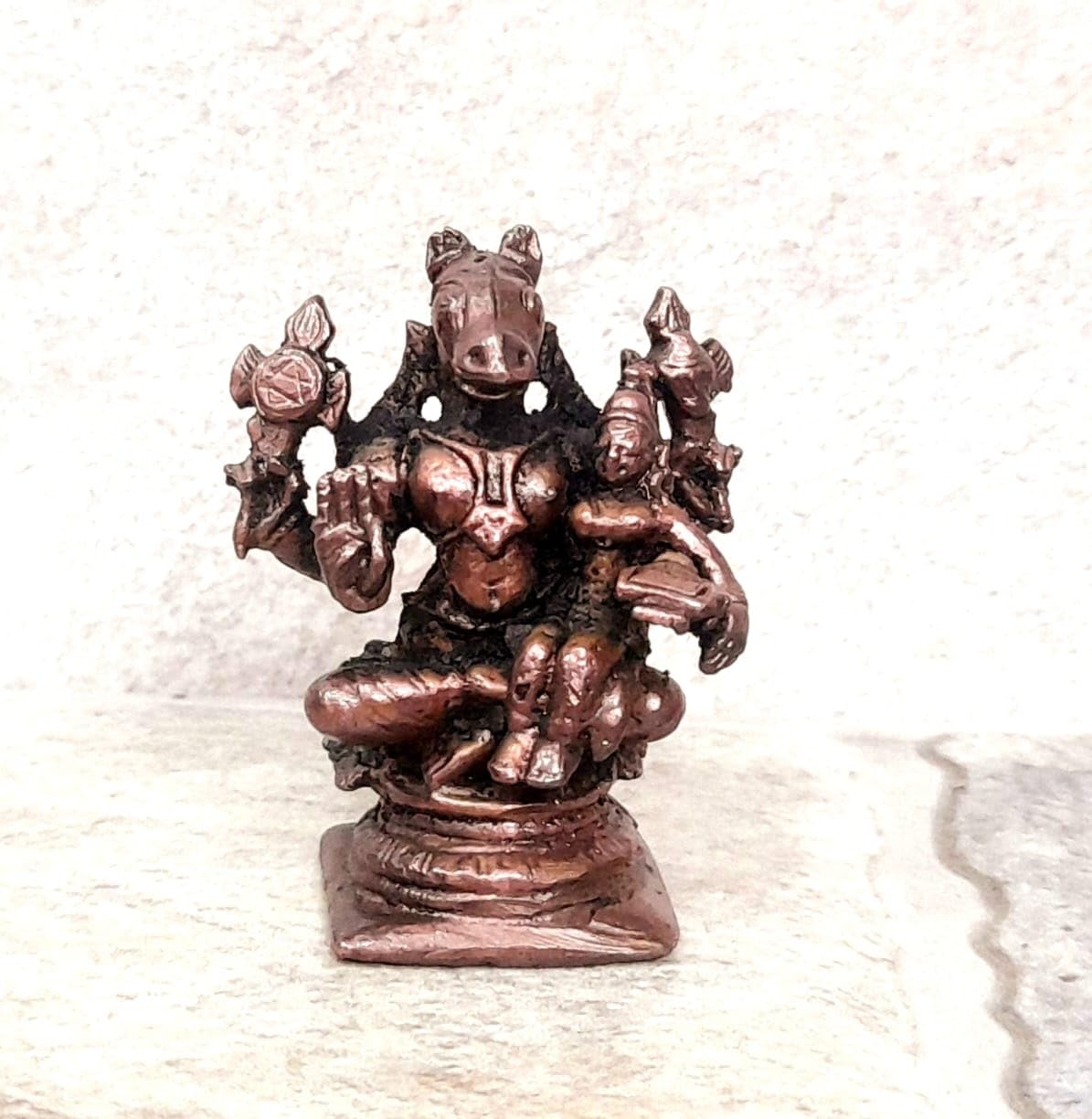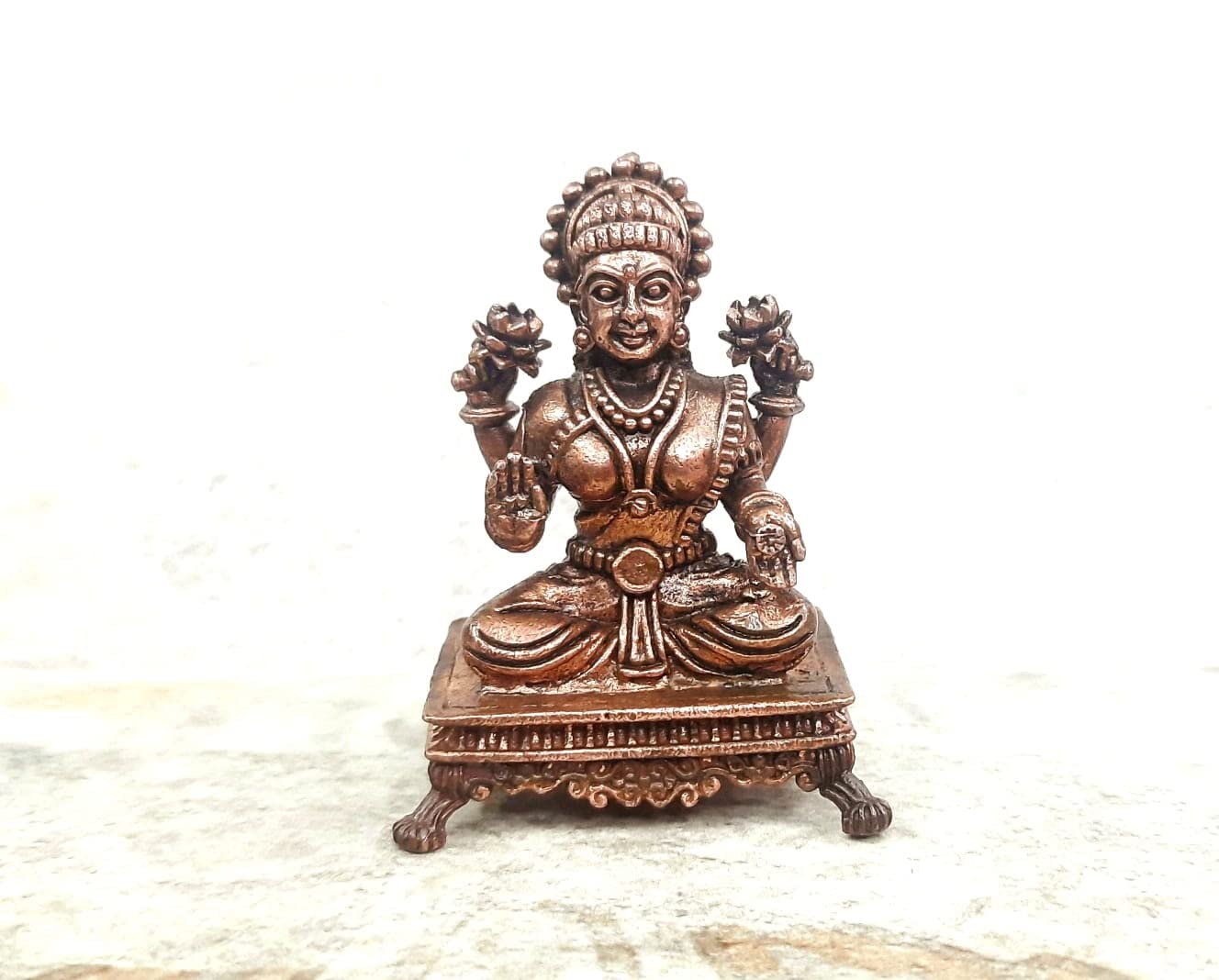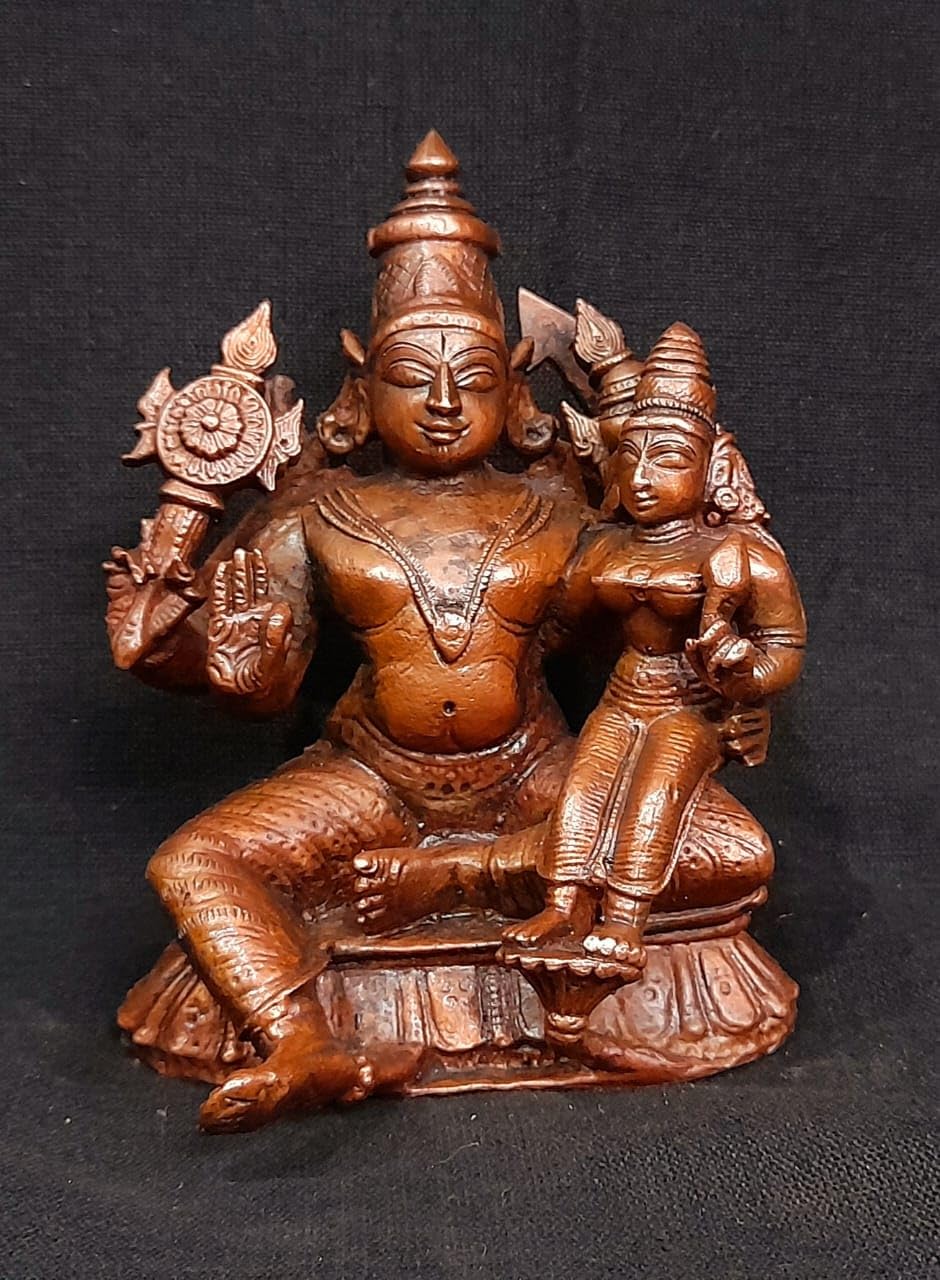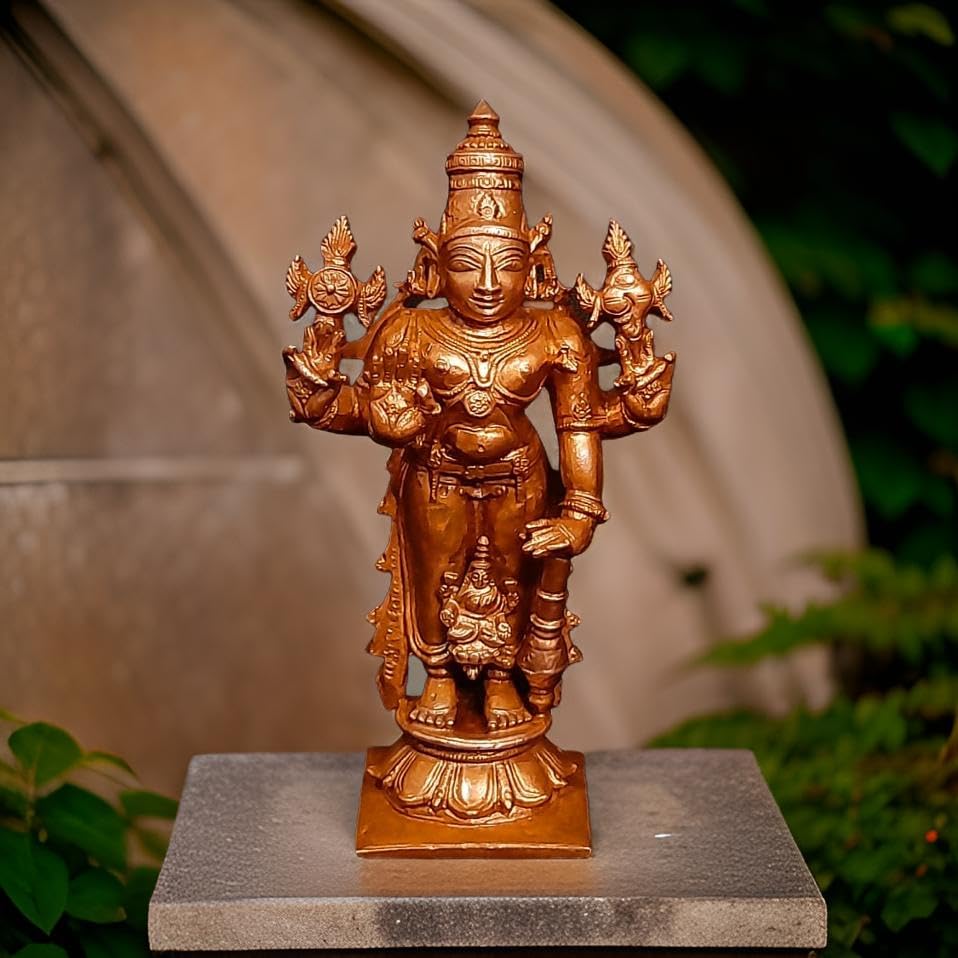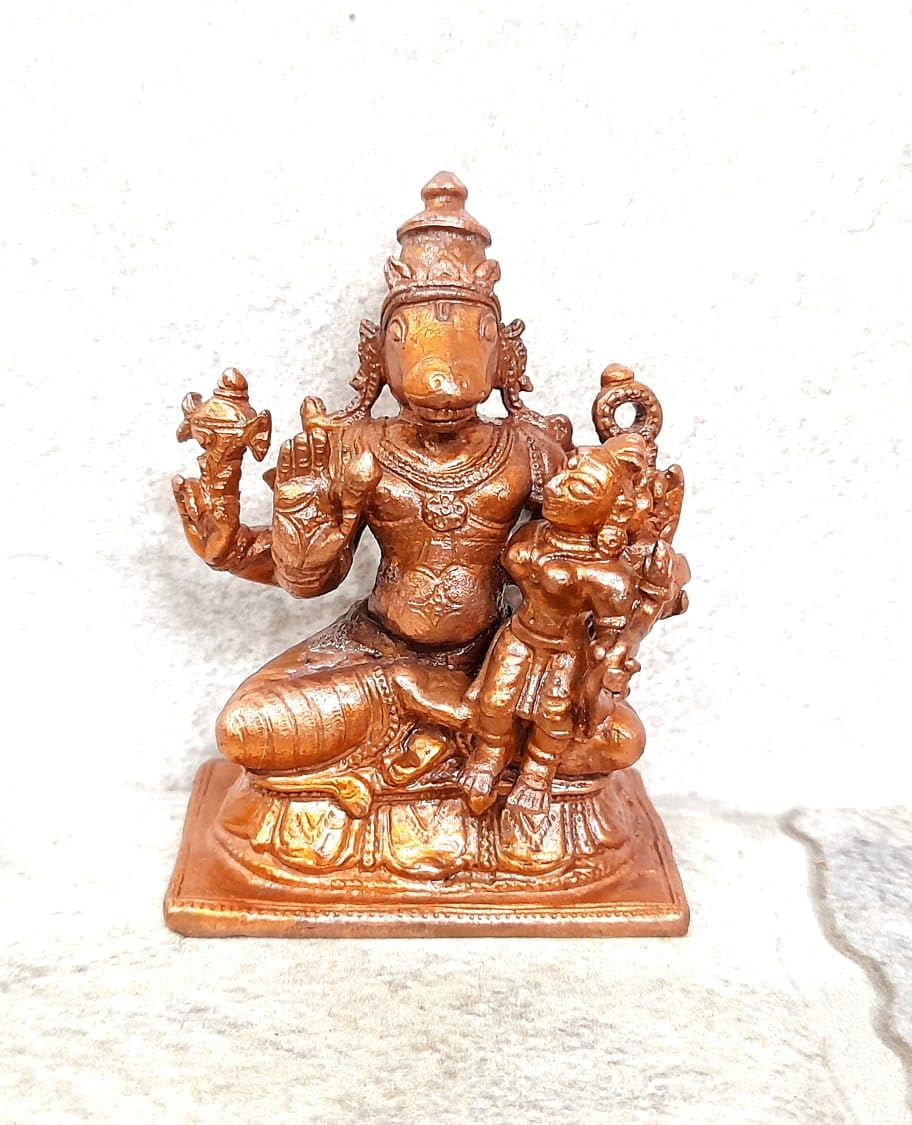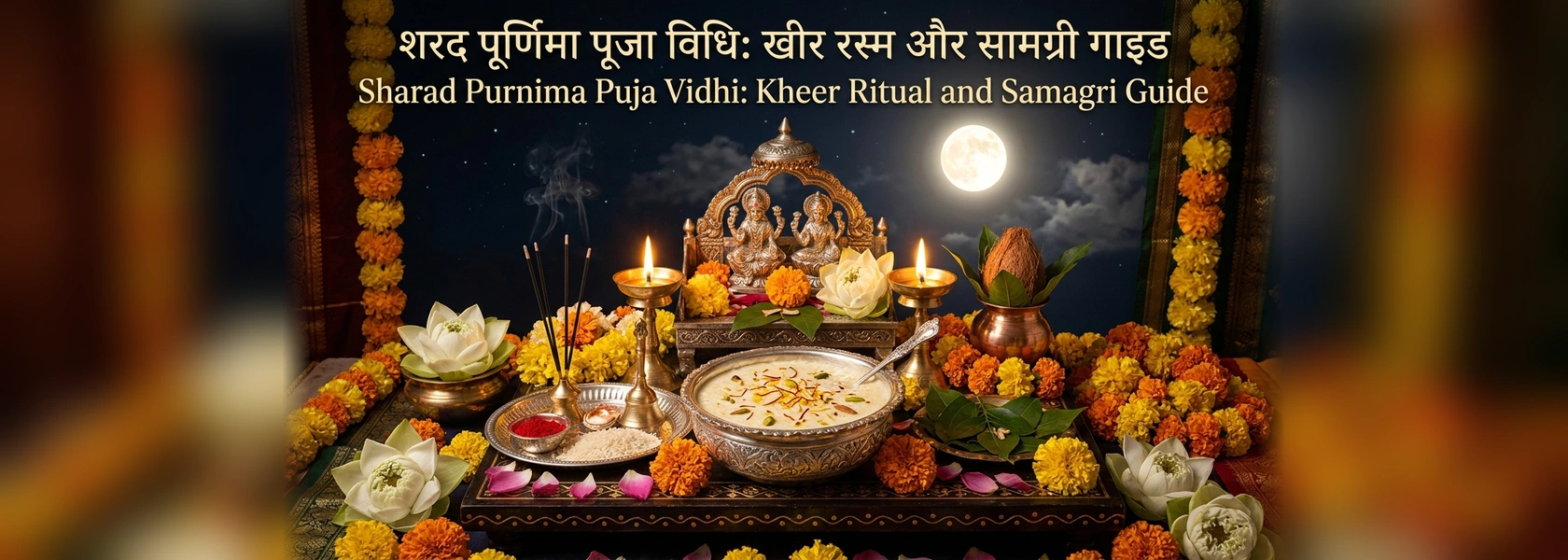

Sharad Purnima marks the full moon night of the Ashvina month in the Hindu calendar. The night introduces the cool autumn season and brings one of the most auspicious full moons of the year. According to the panchang, Sharad Purnima falls on October 26, 2026. On this night, the moon shines with all sixteen kalas, casting clear silver moonlight across towns and villages throughout India. Families observe fasts, prepare sweet rice kheer, and perform evening prayers to welcome Goddess Lakshmi.
The festival carries deep spiritual significance across Sanatan Dharma traditions. Devotees revere this night as Kojagari Purnima, honoring the divine presence of Goddess Lakshmi. Devotees also celebrate it as Raas Purnima, commemorating Bhagwan Krishna's Maha Raas in the groves of Vrindavan. Preparing your prayer space with items from the Lakshmi Maa collection helps you observe every ritual with order, cleanliness, and peace.
Essential Sharad Purnima Puja Samagri Checklist
Arranging your ritual items during the daytime ensures your evening worship proceeds without delay. Devotees place their offerings on an altar or a silver plated traditional pooja thali set to keep implements clean and organized.
- Idols or sacred pictures of Goddess Lakshmi, Lord Ganesha, and Lord Krishna.
- Fresh white flowers such as lotus and jasmine, alongside yellow marigolds.
- Fragrant tilak paste made from premium ashtagandha chandan powder and pure roli kumkum powder.
- A brass or clay deepam with pure cow ghee diya wicks for steady evening lighting.
- Sacred items for Lakshmi archana including raw turmeric knots, yellow cowries, silver coins, and gomti chakra shells.
- Fresh ingredients for kheer: full cream milk, short grain fragrant rice, sugar or rock sugar, crushed green cardamom, sliced almonds, pistachios, and saffron strands.
- A clean thin white muslin cloth or fine wire mesh to cover the kheer container.
- A clean copper kalash filled with water, mango leaves, a fresh coconut, betel leaves, and whole supari.
| Sacred Item | Ritual Role | Traditional Symbolism |
| Full Moon Kheer | Placed under moonlight overnight | Receives the soothing, cooling lunar rays during the night |
| Silver Thali & Coins | Used during Lakshmi archana | Represents material purity, light, and domestic prosperity |
| White Lotus Blossoms | Offered at the feet of Lakshmi | Signifies spiritual purity, detached wisdom, and beauty |
| Gomti Chakra & Cowrie | Placed on the Lakshmi yantra | Ancient symbols of auspicious wealth and protective grace |
| Pure Cow Ghee Diya | Kept lit throughout the night | Dispels ignorance and lights the welcoming path for the deity |
The Sacred Moonlight Kheer Ritual
The tradition of making kheer and placing it under direct moonlight is the central practice of Sharad Purnima. In Ayurvedic and Vedic lore, the moon on this specific night comes closest to the earth. Its rays carry cooling, balancing properties that mark the shift from the heat of monsoon into crisp autumn.
- Prepare the Kheer: Boil full cream milk in a heavy bottomed brass, silver, or stainless steel vessel. Add washed fragrant rice, slow cooking until the grains soften and merge with the milk. Stir in cardamom powder, crushed dry fruits, and saffron strands. Add sugar towards the end and allow the mixture to cool to room temperature.
- Select an Open Spot: Choose a clean terrace, balcony, or open courtyard that receives uninterrupted moonlight throughout the midnight hours.
- Cover the Vessel: Place the kheer in a silver or glass bowl. Cover the mouth with a clean, breathable white muslin cloth or a fine metal sieve. This protects the sweet preparation from insects while allowing lunar rays to penetrate freely.
- Expose to Moonlight: Leave the bowl under the open night sky from late evening until the early dawn hours.
- Morning Distribution: Wake early, take a cleansing bath, offer the kheer to the family deity as naivedya, and distribute it to all family members as sacred prasad.
Step-by-Step Kojagari Lakshmi Puja Vidhi
Kojagari derives from the Sanskrit phrase 'Ko Jagarti', meaning 'who is awake?'. Scripture states that Goddess Lakshmi travels across the earth on this night, visiting homes where residents remain alert, prayerful, and welcoming. Devotees observe the following steps during the evening hours:
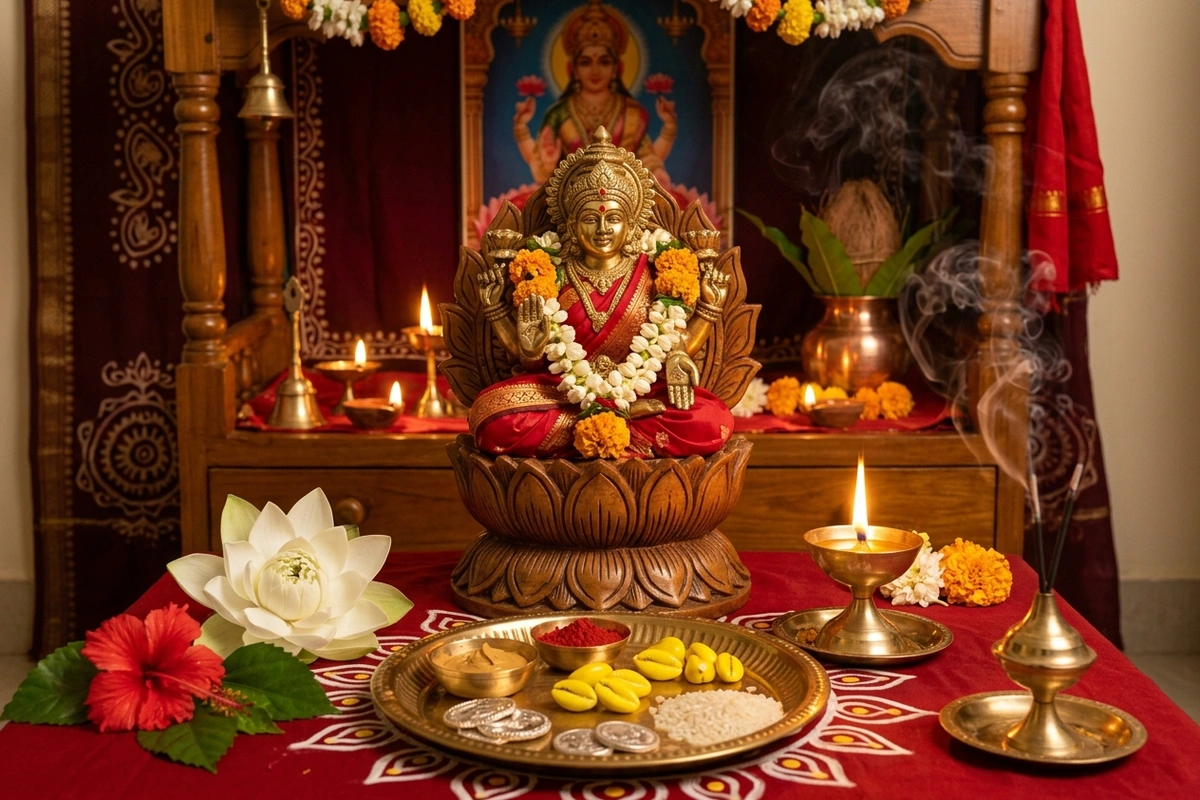
- Purification and Sthapana: Clean your prayer room and spread a red cloth over a clean wooden chowki. Set up a sacred kalash with water, betel nut, and mango leaves, topped with a coconut.
- Invocation of Ganesha and Lakshmi: Place your idols of Lord Ganesha and Goddess Lakshmi on the chowki. Apply chandan and kumkum tilak, and offer unbroken akshat rice.
- Floral Archana: Offer fresh white lotus flowers, red hibiscus, and marigold garlands while reciting the Sri Suktam or Lakshmi Ashtottara Shatanamavali.
- Offering Auspicious Symbols: Place yellow cowries, gomti chakras, and silver coins before the goddess. Light incense and present fresh fruits, betel leaves, and sweets.
- Lighting the Night Deepam: Light a brass ghee diya. Ensure the flame remains sheltered from drafts so it burns steadily through your prayers.
- Aarti and Vigil: Conclude the evening service by singing the Lakshmi Aarti with family members. Devotees stay awake through midnight reading scriptures, chanting the Vishnu Sahasranama, or listening to devotional hymns.
Raas Purnima: The Mystical Dance of Vrindavan
In Vaishnava traditions, Sharad Purnima is celebrated as Raas Purnima. The Srimad Bhagavatam describes how Bhagwan Krishna played his divine flute in the moonlit forests of Vrindavan, calling the gopis to join him on the banks of the Yamuna River. Under the radiant full moon of Ashvina, the Lord multiplied himself to dance with each devotee simultaneously.
This Maha Raas symbolizes the union of the individual soul (jivatma) with the supreme consciousness (Paramatma). Temples across Vrindavan, Mathura, and Jagannath Puri adorn deity murtis in shimmering white and silver poshak on this night. Devotees gather to sing bhajans, chant the Mahamantra, and immerse themselves in quiet devotion.
Regional Sharad Purnima Observances Across India
- West Bengal and Odisha: Known as Kojagari Lakshmi Puja, this is one of the most prominent festivals of the year. Homes are decorated with intricate rice paste alpona footmarks leading into the prayer room. Families prepare khichuri, labra, and coconut naru to offer to Maa Lakshmi.
- Gujarat: Known as Sharad Poonam, communities gather in white clothing under the moonlight to sing and perform Garba and Raas late into the night. Families share doodh poha, a dish of flattened rice soaked in sweetened milk.
- Maharashtra: Observed as Kojagiri Pornima, families gather outdoors at midnight. They prepare masala doodh, boiling milk with saffron, charoli nuts, and almonds, offering it to the moon and elders before drinking.
- Northern States: Families in Uttar Pradesh, Madhya Pradesh, and Rajasthan observe a daytime vrat, cook rich kheer in large pots, leave it on rooftops under the moonlight, and visit local Krishna temples.
- South India: Temples conduct special abhishekam for Devi and Lord Vishnu, decorating temple tanks and mandapams with thousands of floating deepams.
Practical Insights for Observing Sharad Purnima at Home
Observing Sharad Purnima does not require complicated arrangements. The core ritual centers on mindfulness, quiet awareness, and spending peaceful hours under the autumn moonlight. Prepare your sweet offerings with care, gather your family in prayer, and take time to appreciate the natural rhythm of the changing season. When you welcome the full moon with a clean home and a calm mind, the festival brings a sense of renewal, domestic warmth, and steady focus to your household.