Vivah Panchami marks the sacred wedding day of Maryada Purushottam Bhagwan Shri Ram and Mata Janaki. Devotees celebrate this festival on the Shukla Paksha Panchami tithi of Margashirsha month across temples and homes. Performing the traditional vivah panchami puja vidhi invites domestic peace, marital harmony, and spiritual purity into your household. This comprehensive guide details the authentic 2026 muhurat timings, puja samagri checklist, step-by-step vivah rituals, and traditional stuti recitations.
In Hindu tradition, the union of Shri Ram and Sita symbolizes the sacred balance of dharma and devotion. By conducting the home wedding ceremony of Ram Lalla and Janaki Ji, devotees renew their commitment to mutual respect and righteous living. Preparing your home altar with clean samagri and following verified Vedic steps ensures an uplifting worship experience for the entire family.
Vivah Panchami 2026 Date, Tithi and Auspicious Muhurat
In 2026, Vivah Panchami falls on Monday, December 14. Astrological calculations define the auspicious windows for conducting your household sankalpa, abhishek, and kalyanotsavam rituals. Perform the primary vivah rituals during Abhijit Muhurat or the morning Amrit Choghadiya for optimal spiritual focus.
| Panchang Element | 2026 Timing (IST) | Ritual Significance |
| Festival Date | Monday, December 14, 2026 | Margashirsha Shukla Panchami celebration |
| Panchami Tithi Ends | 07:16 PM, December 14 | Complete daytime and sandhya wedding rituals |
| Shravana Nakshatra | Until 09:12 AM, December 14 | Auspicious for early morning purification and sthapana |
| Dhanishtha Nakshatra | Starts at 09:12 AM, December 14 | Favorable for sacred ceremonies and offerings |
| Abhijit Muhurat | 11:54 AM to 12:36 PM | Premier window for divine jaimala and hawan |
| Amrit Choghadiya (Morning) | 07:05 AM to 08:23 AM | Ideal for morning snan, dhyan, and sankalpa |
| Shubh Choghadiya | 09:40 AM to 10:58 AM | Favorable for katha pathan and stuti recitations |
| Labh Choghadiya | 02:51 PM to 04:09 PM | Afternoon bhajan singing and family prayers |
| Amrit Choghadiya (Evening) | 04:09 PM to 05:26 PM | Auspicious for sandhya aarti and deepdan |
Begin your preparations during Brahma Muhurat before sunrise at 07:05 AM. Conclude all core wedding rituals before the Panchami tithi ends at 07:16 PM in the evening.
Essential Samagri Checklist for Vivah Panchami Puja Vidhi
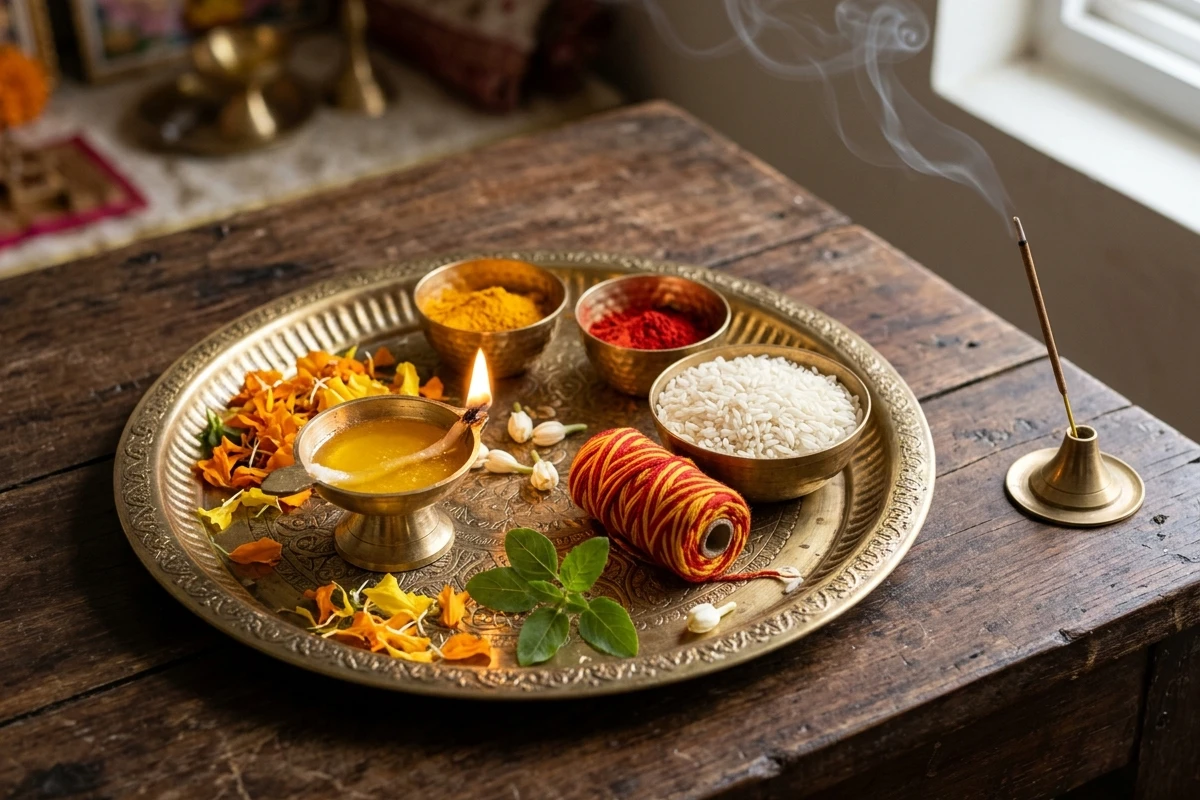
Gathering your puja articles ahead of time maintains a calm, focused environment during the ceremony. Place your items on a clean brass tray before beginning the invocation.
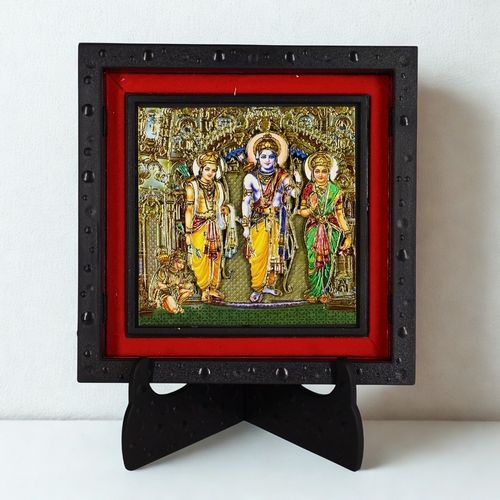
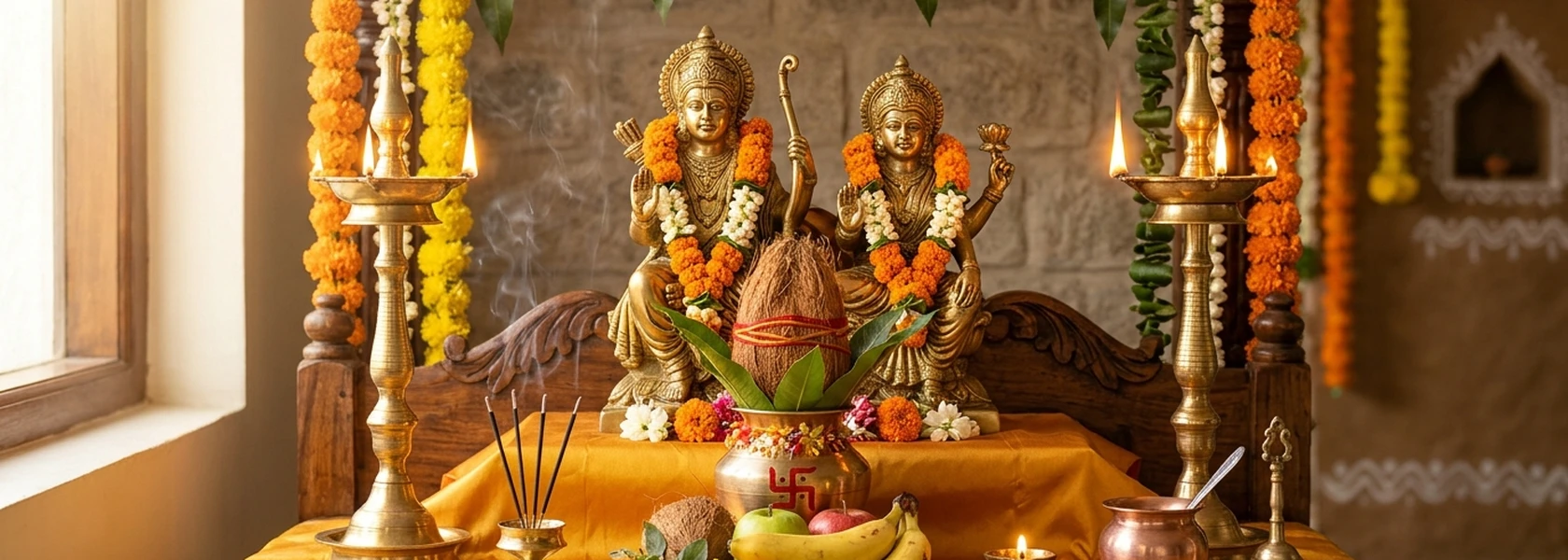
- Sacred Murti or Darbar: Brass or silver vigrahas of Shri Ram and Mata Sita, or the Shree Ram Darbar Table Top Photo Frame | Ideal for Gifting & Daily Puja for home altars.
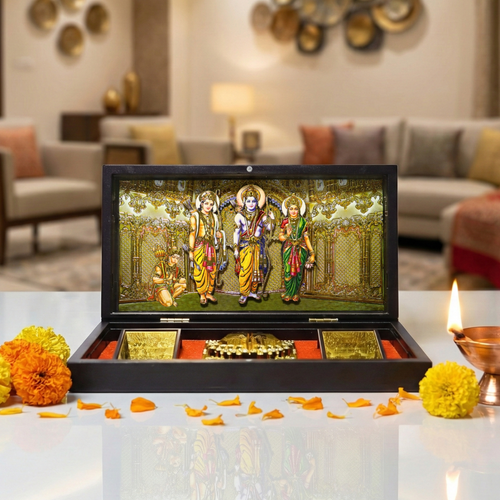
- Altar Box for Compact Spaces: The Shree Ram Darbar 3D Prayer Box with Golden Plated Charan Paduka serves devotees with dedicated prayer corners.
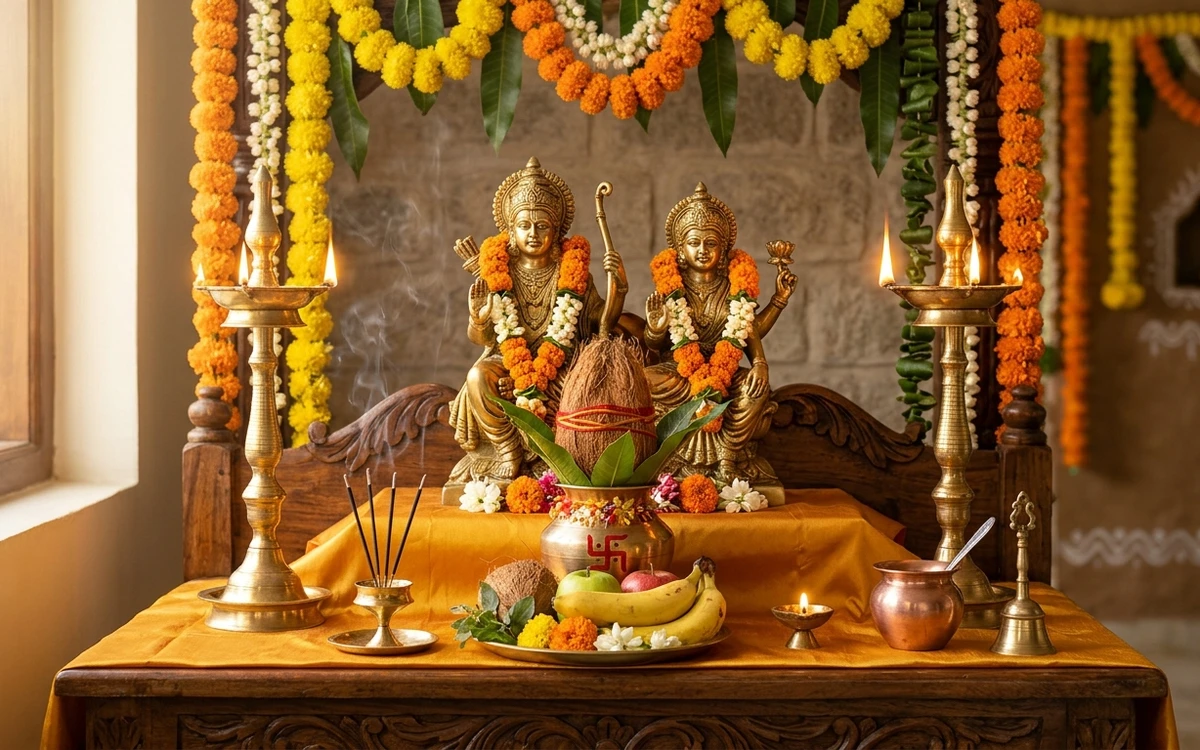
- Altar Setup: One wooden chowki, fresh yellow silk cloth for the base, and a clean red cloth for Mata Sita.
- Kalash Samagri: Brass or copper kalash, clean water, Ganga jal, five mango leaves, one whole coconut with husk, and sacred moli thread.
- Abhishek Liquids: Fresh cow milk, curd, pure desi ghee, organic honey, and raw sugar mixed into panchamrit.
- Shringar Offerings: Pitambari yellow vastra and janeu for Bhagwan Ram. Red or pink chunri, glass bangles, sindoor, bindi, and mehendi for Mata Janaki.
- Floral Garlands: Two small fresh yellow marigold or jasmine jaimalas for the divine wedding exchange, plus loose lotus or rose petals.
- Fragrant Powders: Pure Malayagiri sandalwood paste, fresh kumkum, turmeric powder, and unbroken akshat rice.
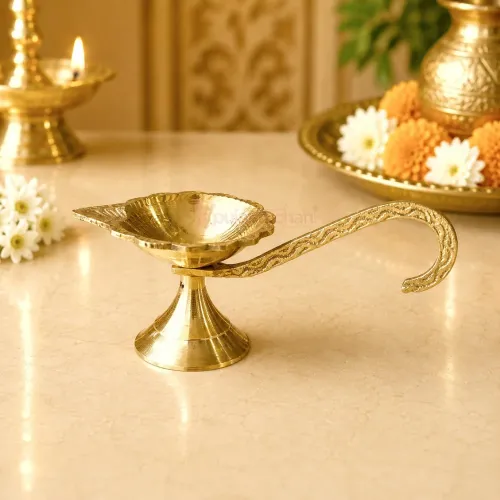
- Deepam Lamp: Pure cow ghee, handmade cotton wicks, and a traditional brass oil lamp such as the Pure Brass Handheld Pooja Diya with Long Handle | Leaf-Shaped Aarti Oil Lamp for Home Temple & Daily Worship.
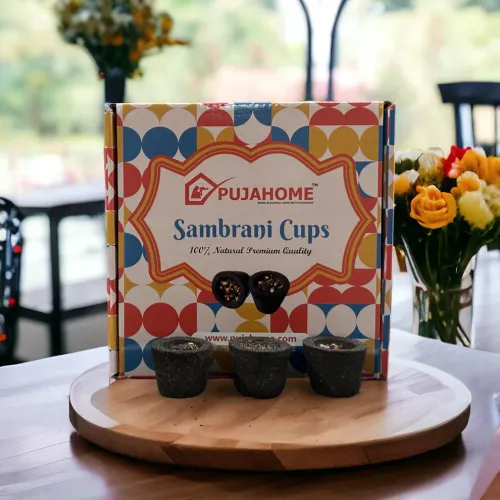
- Aromatic Incense: Natural dhoop cups such as Pujahome Natural Sambrani Cups for Puja/Home (12 Cups Per Pack + Free Holder) to purify the room.
- Naivedya and Fruits: Kheer made with basmati rice, jaggery or sugar, fresh seasonal fruits, soaked tulsi leaves, betel leaves, and supari.
- General Essentials: Complete items from verified pooja essentials including bell, shankh, and achamani spoon.
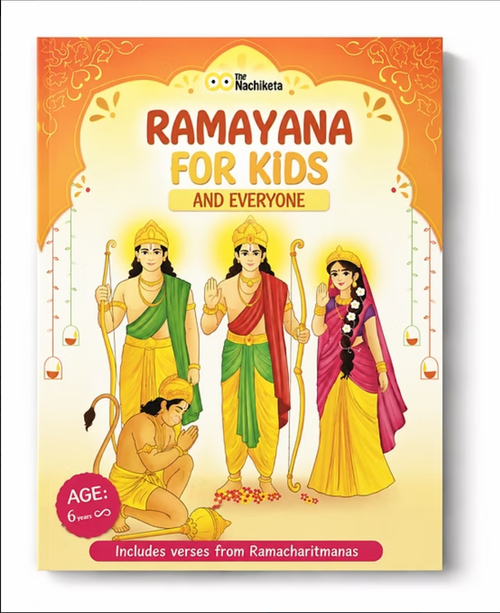
- Scriptural Reading: Sri Ramcharitmanas Balkand or family-friendly editions like Ramayan for Kids & Everyone for devotional storytelling.
Vivah Panchami Puja Vidhi: Step-by-Step Home Rituals
Follow these structured steps during the auspicious morning or midday muhurat to conduct the wedding rituals with devotion and Vedic accuracy.
1. Atma Shuddhi and Sankalpa (Self-Purification and Vow)
Wake up during Brahma Muhurat, bathe, and put on clean traditional yellow or white attire. Sit facing east or north on a clean woolen or kusha grass asan. Take three spoonfuls of water with the copper spoon, reciting the achamana mantras: Om Keshavaya Namah, Om Narayanaya Namah, Om Madhavaya Namah. Wash your hands with Om Govindaya Namah. Take water, unbroken rice, yellow flowers, and a coin in your right palm. State the tithi (Margashirsha Shukla Panchami), your gotra, your location, and resolve to perform the Shri Sita-Ram Vivah Puja for peace, family welfare, and dharma.
2. Ganapati and Kalash Sthapana (Initial Invocations)
Every Vedic ceremony commences with Lord Ganesha to remove obstacles. Place a supari wrapped in moli on a small bed of rice to represent Ganesha. Offer haldi, kumkum, akshat, and durva grass while chanting Om Gam Ganapataye Namah. Next, place a wooden chowki covered with yellow cloth. Set up the brass kalash filled with water and Ganga jal. Add a betel nut, a coin, and a pinch of turmeric. Place five mango leaves along the rim and seat the moli-tied coconut on top. Invite Varuna Deva and the holy rivers to reside in the kalash.
3. Shri Ram and Mata Sita Abhishek (Sacred Bathing)
Place metal idols of Shri Ram and Mata Janaki in a wide brass thali. If you worship a photo frame, sprinkle holy water drops gently using a fresh flower. Bathe the deities first with fresh water, then with panchamrit (milk, curd, honey, ghee, and raw sugar), and finally with fragrant Ganga jal. Wipe the deities clean with a fresh, soft cotton cloth. Place them back on the decorated altar chowki.
4. Shringar and Adornment Rituals
Apply cooling yellow sandalwood paste to the forehead of Prabhu Shri Ram and offer a fresh sacred thread (janeu). Adorn Him in bright yellow pitambari vastra. Apply auspicious kumkum and sindoor to Mata Sita, adorning Her in a fine red or pink chunri. Offer traditional shringar items including red bangles, kajal, and bindi to Janaki Ji as symbols of marital auspiciousness. Place fragrant garlands around their necks.
5. Jaimala and Gathbandhan Ceremony (The Divine Wedding)
This step forms the emotional and spiritual core of the vivah panchami puja vidhi. Take two small marigold garlands. Offer one garland from Mata Sita to Bhagwan Ram, and then offer the second garland from Bhagwan Ram to Mata Sita, symbolizing the divine jaimala. Next, take the corner of Shri Ram's yellow shawl and the corner of Mata Sita's red chunri. Tie them securely together using a sacred yellow thread, enclosing a whole supari, unbroken rice, a turmeric piece, and a coin inside the knot. This gathbandhan represents an unbreakable spiritual union based on shared righteousness.
6. Naivedya Arpan, Aarti and Pradakshina
Offer freshly prepared kheer, laddoos, seasonal fruits, and betel leaves to the divine couple. Always place a fresh green tulsi leaf on the offerings made to Lord Ram. Light the brass ghee lamp and fragrant sambrani incense. Sing the Sita-Ram Vivah aarti with devotion while ringing the prayer bell. Circumambulate the altar clockwise three times, or turn around in place clockwise if space is limited. Bow low to seek blessings for enduring peace and harmony in your household.
The Legend of Sita Swayamvar and Janakpur Vivah
The sacred narrative of Vivah Panchami comes alive in the Balkand of Valmiki Ramayana and Goswami Tulsidas's Ramcharitmanas. King Janaka of Mithila organized a swayamvar for his divine daughter Sita, stipulating that only the prince capable of lifting and stringing the heavy Shiva Dhanush (Pinaka) would receive her hand in marriage. Kings and warriors from across the land attempted the challenge and failed to move the bow.
With the blessing of Brahmarshi Vishwamitra, youthful Prince Rama stepped forward with calm humility. He lifted the mighty divine bow effortlessly. As He pulled the string, the bow snapped with a thunderous resonance heard throughout the cosmos. Mata Janaki placed the fragrant jaimala around Rama's neck amidst celestial celebrations.
King Janaka sent messengers to King Dasharatha in Ayodhya. Soon, the royal wedding party arrived in Janakpur Dham. In that grand ceremony, all four sons of King Dasharatha married the daughters of Janaka's dynasty: Shri Ram married Sita, Lakshmana married Urmila, Bharata married Mandavi, and Shatrughna married Shrutakirti. Today, Janakpur in Nepal and Ayodhya in Uttar Pradesh host spectacular reenactments of this divine barat and wedding ceremony.
Regional Customs and Fasting Guidelines for Devotees
Devotees observe Vivah Panchami in diverse ways across different cultural regions of India and Nepal. Understanding these practices helps devotees observe the day with appropriate reverence.
- Fasting Observance: Many devotees observe a day-long fast (vrat). Those fasting consume water, milk, and satvik fruits during the day, breaking the fast in the evening after performing the aarti and offering kheer naivedya.
- Recitation of Ramcharitmanas: Chanting the Balkand chopais depicting the Dhanush Yajna and Vivah ceremony is considered meritorious. Listening to these verses purifies household thoughts and resolves relationship misunderstandings.
- The Folk Tradition of Human Marriages: In Mithila and parts of northern India, families celebrate the divine wedding of Ram and Sita with unmatched fervor, yet traditionally avoid fixing human weddings on this exact calendar date. This folk custom honors the immense trials and forest exile Mata Sita faced later in life, wishing a smoother marital journey for earthly brides.
- Charitable Giving (Daan): Donating yellow clothes, grains, and sweets to brahmins and needy families on this day multiplies spiritual merit.
Frequently Asked Questions About Vivah Panchami
What is the main spiritual benefit of performing Vivah Panchami Puja?
Performing this puja invokes the divine grace of Shri Ram and Mata Sita into the home. It resolves marital disagreements, fosters mutual understanding between partners, and removes hurdles for eligible individuals seeking a virtuous life partner.
Can unmarried people observe the Vivah Panchami fast?
Yes. Both unmarried men and women can observe the vrat and pray to Shri Ram and Mata Sita. Devotees believe this worship removes obstacles in finding a compatible, righteous life partner.
What special prasad should I prepare for Vivah Panchami?
Kheer prepared with cow milk, rice, and jaggery or sugar is the traditional offering. In addition, offer seasonal fruits, panchamrit, and sweet betel leaves (paan) with cloves and cardamom.
Which chapter of Ramcharitmanas should be read on this day?
Read the Balkand of Sri Ramcharitmanas, specifically the verses describing the Sita Swayamvar, the breaking of the bow, and the wedding hymns sung by the women of Mithila.
What colors should devotees wear during Vivah Panchami Puja?
Wear bright, auspicious colors like yellow, saffron, orange, or red. Yellow represents the pitambari vastra of Lord Ram, while red symbolizes marital auspiciousness and the grace of Mata Janaki.